
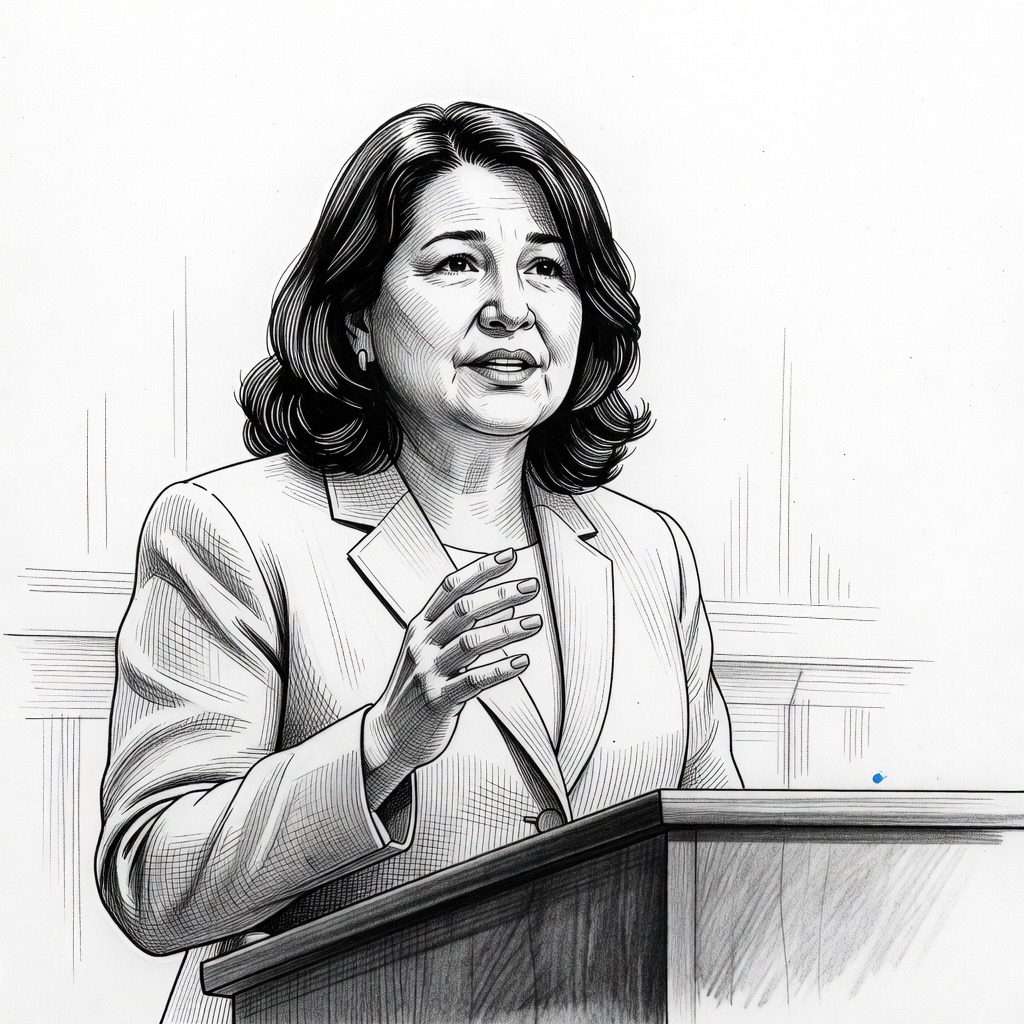
• Shielding Vulnerable Demographics The primary priority is protecting marginalized populations from state overreach and systemic profiling. Sotomayor’s dissent, joined by Kagan and Jackson, interprets Kavanaugh’s concurrence as providing federal agents a dangerous legal loophole to target individuals based on appearing Latino, speaking Spanish, or holding low-wage jobs. This framework views any easing of restrictions on immigration sweeps as an inherent threat to civil liberties that disproportionately harms minority communities.
• Highlighting Lived Experience Socioeconomic background is viewed as a critical lens through which judges interpret the practical application of the law. Sotomayor’s initial critique of Kavanaugh’s upbringing by professional parents underscores the philosophical belief that privilege creates systemic blind spots. From this view, a lack of connection to hourly-wage workers directly informs judicial rulings, making it impossible for insulated jurists to grasp the real-world impact of federal enforcement on working-class lives.
• Sacrificing Critique for Collegiality The public apology represents a tactical, albeit reluctant, retreat to maintain the functional integrity of the judicial branch. While the raw critique of judicial privilege at the University of Kansas is valued as necessary truth-telling, the ultimate concession acknowledges that institutional survival requires basic cooperation. The contrast between her critique and her Alabama remarks illustrates the ongoing tension between challenging institutional status quos and preserving the Court's internal diplomacy.
How it may affect me
As a U.S. reader:
• In the short term, federal immigration agents now have actionable authority to use apparent ethnicity as a relevant, though not sole, factor when conducting brief and temporary enforcement stops.
• Individuals in minority communities, particularly those who appear Latino, speak Spanish, or hold hourly wage jobs, may face a higher practical risk of being targeted or profiled during federal immigration sweeps.
• Over the long term, the court's decision establishes a practical legal framework that prioritizes actionable tools for federal law enforcement duties over broader restrictions meant to shield vulnerable demographics.
• The public apology between justices serves as a long-term effort to maintain the structural continuity and public trust of the Supreme Court, signaling that institutional decorum will be prioritized over personal disputes regarding a judge's upbringing or socioeconomic privilege.