
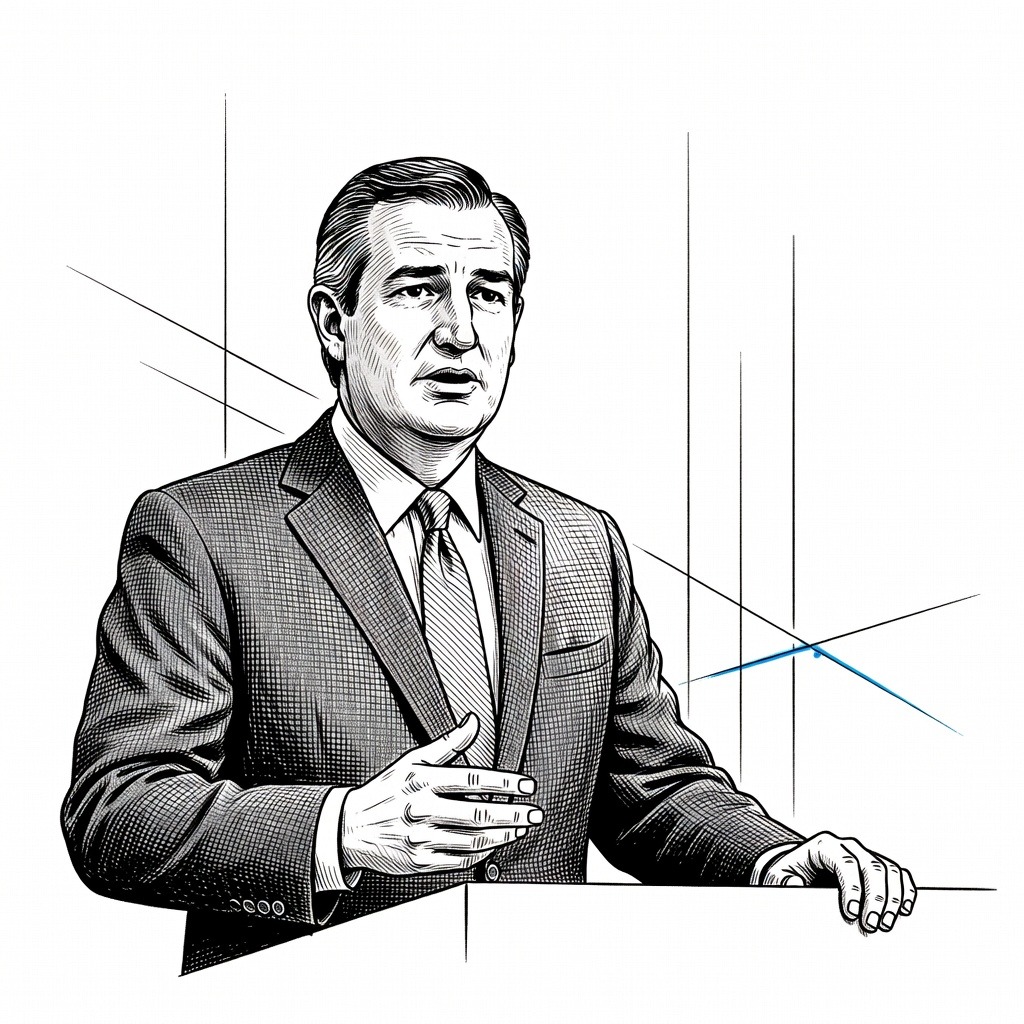
• Exposing Systemic Institutional Toxicity Social progress relies on dismantling harmful norms embedded within powerful, insular institutions. By linking his past Nazi tattoo and offensive internet posts to the "coarse, masculine, and violent" environment of the military infantry, Platner points to systemic cultural blind spots rather than isolated anomalies. Acknowledging that hyper-masculine subcultures can incubate extremism is viewed as a necessary first step toward government accountability and institutional reform.
• Validating Personal Evolution Arcs Reformist frameworks prioritize rehabilitation and the capacity for ideological growth over permanent condemnation. Platner’s assertion that his perspectives evolved after transitioning to civilian life underscores the belief that toxic institutional conditioning can be unlearned. The act of covering the extremist tattoo and disavowing past beliefs serves as a testament to the positive, moderating impact of reintegrating into a broader, diverse civilian society.
• Combating Blind Institutional Protectionism Reflexive defense of the military status quo risks shielding dangerous internal cultures from necessary public scrutiny. When Republican lawmakers immediately dismiss Platner’s claims as slander, reform-minded observers see an establishment closing ranks to protect an idealized, unassailable image of the armed forces. The primary fear is that ignoring these cultural realities prevents genuine accountability and allows toxic elements to persist unchecked within military ranks.
How it may affect me
As a U.S. reader:
• Short-term voter decisions in this primary election will ultimately affect nationwide governance, as the resulting candidate will compete in a pivotal race that could determine whether the current 53-seat Republican Senate majority is overturned.
• The high-profile debate over whether infantry environments foster extremism may prompt immediate public scrutiny of military culture, potentially driving long-term government accountability measures and institutional reforms within the armed forces.
• In the long term, validating claims that military training incubates violent bigotry could erode baseline public trust in the armed forces, leading to a severely degraded recruitment environment.
• Voters will have to practically assess how they weigh candidate rehabilitation, specifically determining if a politician disavowing past extremist actions after transitioning to civilian life demonstrates genuine personal evolution or a cowardly evasion of personal accountability.