
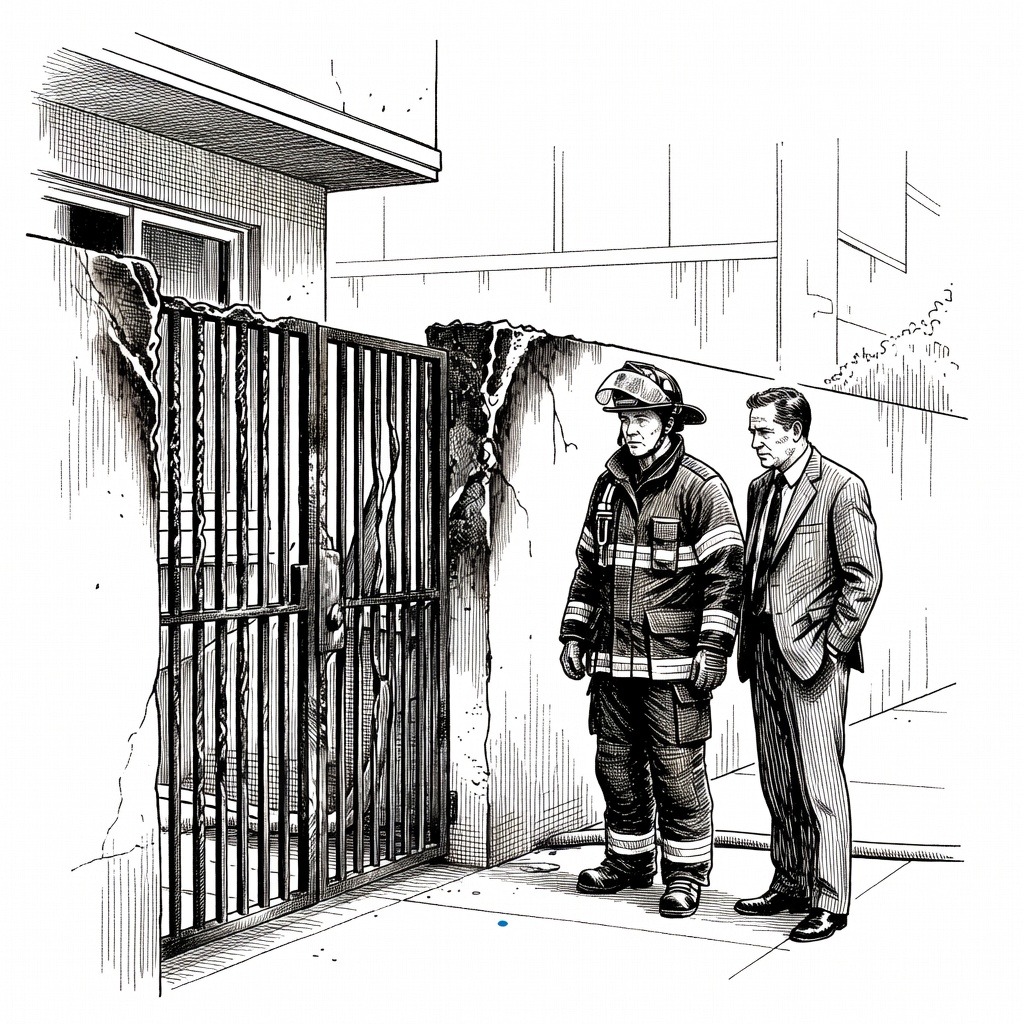
• Defuse Ideological Radicalization Social progress requires dismantling extreme fringe violence before it escalates into systemic terror. The discovery of an anti-AI manifesto containing the names and addresses of multiple industry executives transforms a localized arson attack into a broader indicator of ideological radicalization. Federal intervention and the swift FBI raid in Spring, Texas, are viewed as necessary steps to protect public safety by neutralizing targeted, ideologically driven harm.
• Highlight Compounding Urban Volatility Public safety relies on mitigating environmental hazards that threaten communities. The separate, nearby negligent discharge incident resulting in the arrest of Amanda Tom and Muhamad Tarik Hussein, alongside the recovery of three firearms, paints a picture of broader systemic instability. Even though OpenAI stated the Sunday gunfire was entirely unrelated to Altman, the dense concentration of lethal weapons and incendiary devices in a single neighborhood underscores the urgent need for comprehensive community safety measures.
• Address Systemic Technological Alienation Protecting societal equity means examining the root causes of civil unrest alongside prosecuting the violent acts themselves. Moreno-Gama’s extreme actions are interpreted as a violent, desperate symptom of unchecked technological disruption and deep public anxiety over AI. Without democratic oversight and institutional guardrails managing the rapid deployment of artificial intelligence, society risks leaving alienated populations vulnerable to fringe radicalization and violent retaliation.
How it may affect me
As a U.S. reader:
• In the short term, the public may observe increased proactive federal law enforcement and strict policing aimed at neutralizing domestic threats and protecting technological infrastructure and industry leaders.
• Communities located near major technology hubs or executive residences may experience heightened localized safety concerns and a push for community safety measures due to the regional concentration of incendiary attacks and unrelated firearms incidents.
• In the long term, unchecked public anxiety over rapid artificial intelligence deployment could lead to broader systemic instability and the rise of violent anti-tech fringe radicalization if not managed.
• The discovery of an ideological manifesto targeting multiple executives may accelerate public and political demand for both absolute enforcement of civil order and new institutional guardrails to oversee technological disruption.