
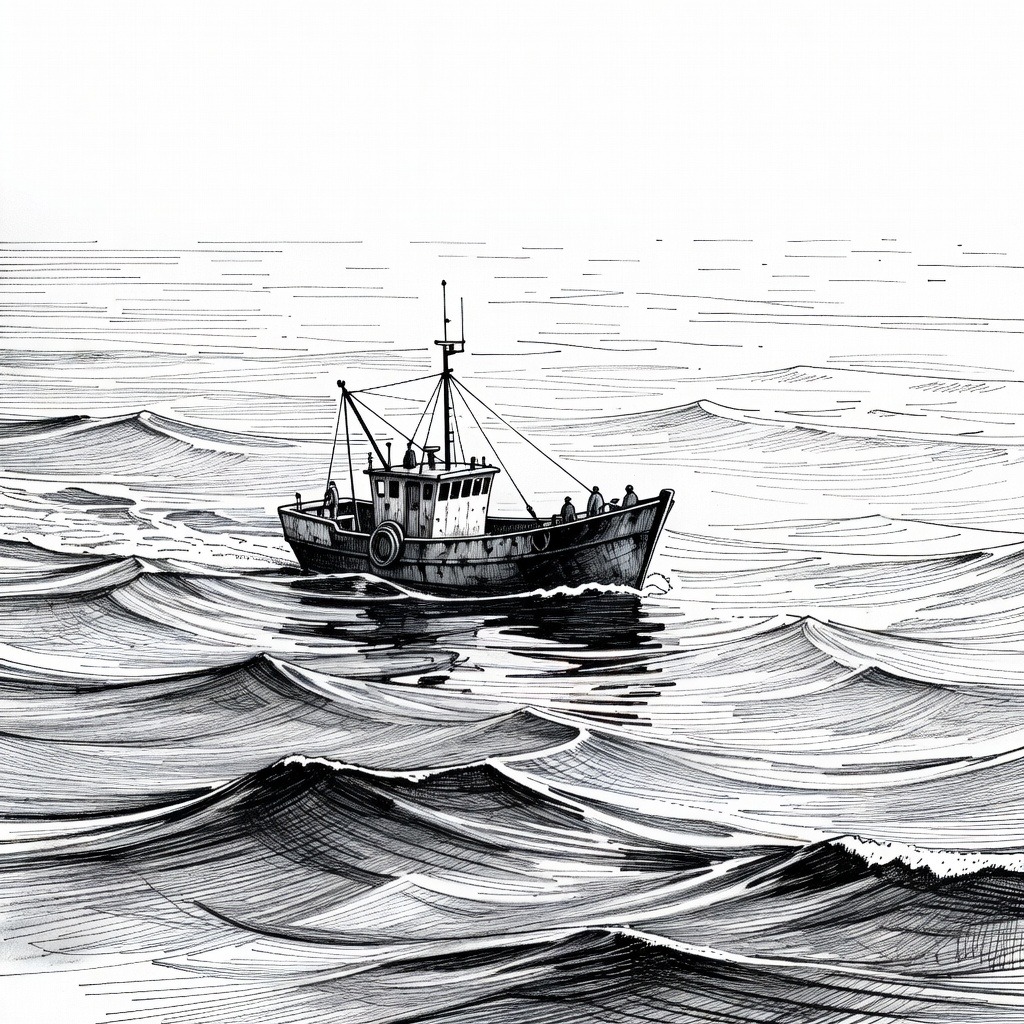
• Erosion of Legal Firewalls Strict adherence to international legal norms separates legitimate state action from arbitrary violence. The administration's decision to classify the U.S. as engaged in a "non-international armed conflict" and label alleged smugglers as "unlawful combatants" bypasses established civilian law enforcement protocols. This unilateral redefinition blurs the crucial firewall between policing and warfare, establishing a dangerous precedent where the executive branch can deploy lethal military force to avoid international legal constraints.
• Subversion of Due Process Transparency and evidentiary burdens are foundational protections against wrongful state-sanctioned deaths. The April 11 elimination of five men based on suspected affiliations with designated terrorist organizations effectively removes the right to a trial and judicial oversight. Echoing the lawsuit from families of previously killed men, this framework allows the military to act as judge, jury, and executioner, circumventing the legal requirement to definitively prove criminal guilt before administering lethal consequences.
• Normalization of Unchecked Escalation Relying on militarized solutions to address regional trafficking guarantees a permanent cycle of disproportionate violence. Lawmaker criticism regarding the treatment of strike survivors and the ongoing nature of this Eastern Pacific campaign highlight the dangers of operating in a perpetual state of undeclared war. Treating suspected smugglers as enemy combatants transforms a complex law enforcement issue into an endless military campaign, risking vast humanitarian collateral damage with minimal democratic oversight.
How it may affect me
As a U.S. reader:
• In the short term, you may experience downstream effects of disrupted transnational drug smuggling networks as the military uses direct lethal force to dismantle cartel operations and deep-water supply routes in the Eastern Pacific.
• Over the long term, you will see a shift in the legal boundaries of executive power, as the government sets a precedent for bypassing civilian law enforcement and trial rights by classifying suspected smugglers as unlawful combatants.
• You may witness an ongoing commitment of national defense resources to the region, as the current strategy transforms standard maritime policing into a continuous, militarized campaign against non-state actors.
• You could observe new judicial rulings or financial liabilities for the government stemming from this campaign, as active lawsuits from the families of the deceased challenge the legality of these strikes and demand greater democratic oversight.