
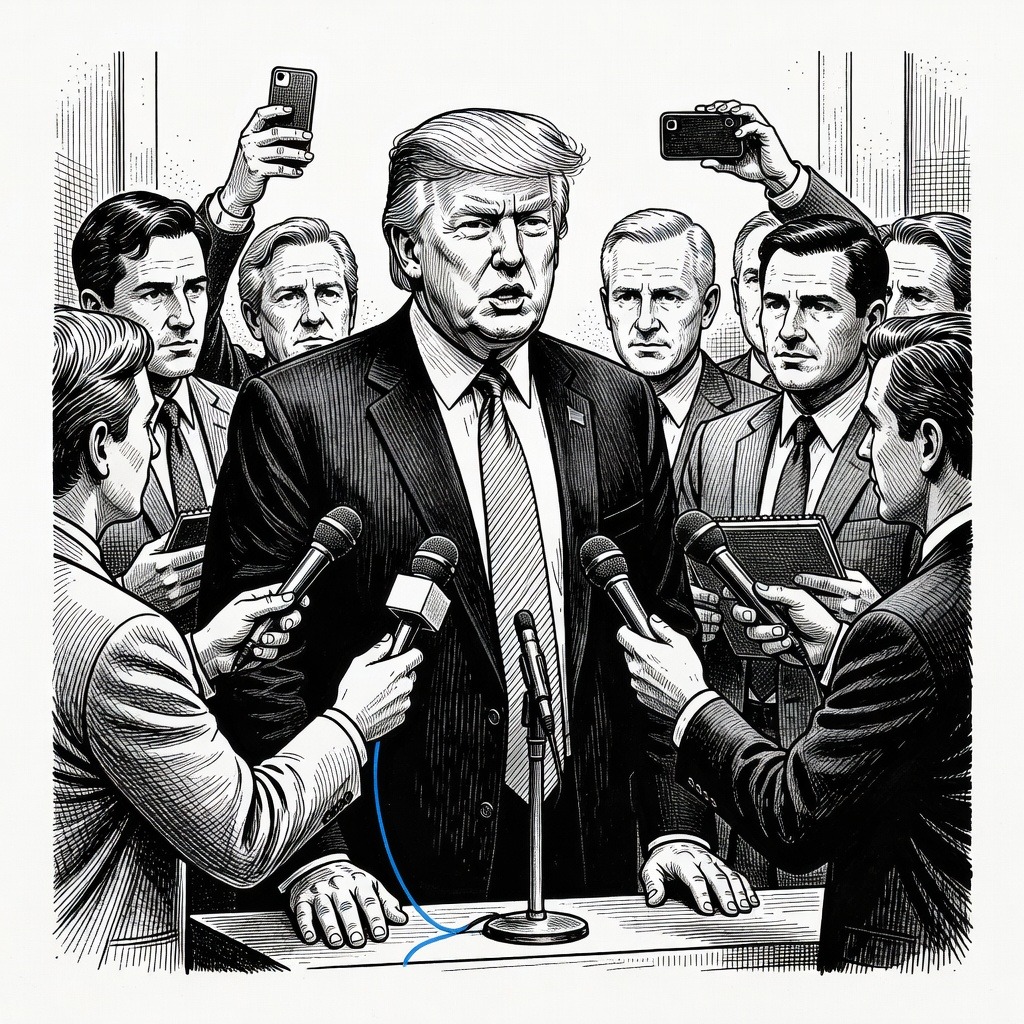
• Shield Against Disproportionate Force Prioritizing the preservation of civilian life over unilateral military aggression, this framework views the Pope's condemnation of threats to "Iranian civilization" as a moral and geopolitical necessity. The rejection of armed intervention is rooted in the belief that large-scale war inflicts unacceptable humanitarian tolls, making multilateral dialogue the only legitimate mechanism for conflict resolution. By explicitly framing his calls to halt the killing of innocents as a religious imperative, this camp sees the pontiff as rightly elevating human rights above state militarism.
• Elevation of Global Equity Viewing national borders as subordinate to universal human dignity, this lens interprets the Pope's decision to spend the U.S. 250th anniversary at a European migrant entry point as a vital symbolic prioritization of the vulnerable. Opposing the administration's mass deportation plans aligns with a social equity model that critiques state-enforced exclusion and demands institutional protection for marginalized populations. Extending this logic, strict state enforcement policies are viewed not as maintaining civic order, but as inflicting systemic harm on displaced people.
• Rejection of Nationalist Escalation Framing the president's aggressive rhetoric and dismissal of the pontiff as dangerous geopolitical brinkmanship, this perspective fears that nationalist posturing inherently degrades international cooperation. The primary risk identified is that prioritizing unilateral military strikes and mass deportations over universal human rights will globally isolate the nation and spark wider conflicts. Ultimately, they argue that threatening the destruction of an entire civilization undermines global stability and abandons the foundational duty to protect innocent life.
How it may affect me
As a U.S. reader:
• In the short term, you may experience the direct community impacts of the administration's mass deportation plans, which are designed to strictly enforce immigration laws but could cause systemic disruption for marginalized populations.
• Ongoing military interventions in Iran involve immediate national security actions aimed at dismantling foreign nuclear and missile programs, carrying the long-term risk of drawing the nation into a wider international conflict.
• You may notice rising social and political friction in local communities, particularly among American Catholics, as the unprecedented public dispute between the president and church leadership creates conflicting pressures regarding national security and humanitarian duties.
• Over the long term, the administration's reliance on unilateral military force and domestic border enforcement rather than multilateral dialogue could globally isolate the United States and alter its diplomatic standing.