
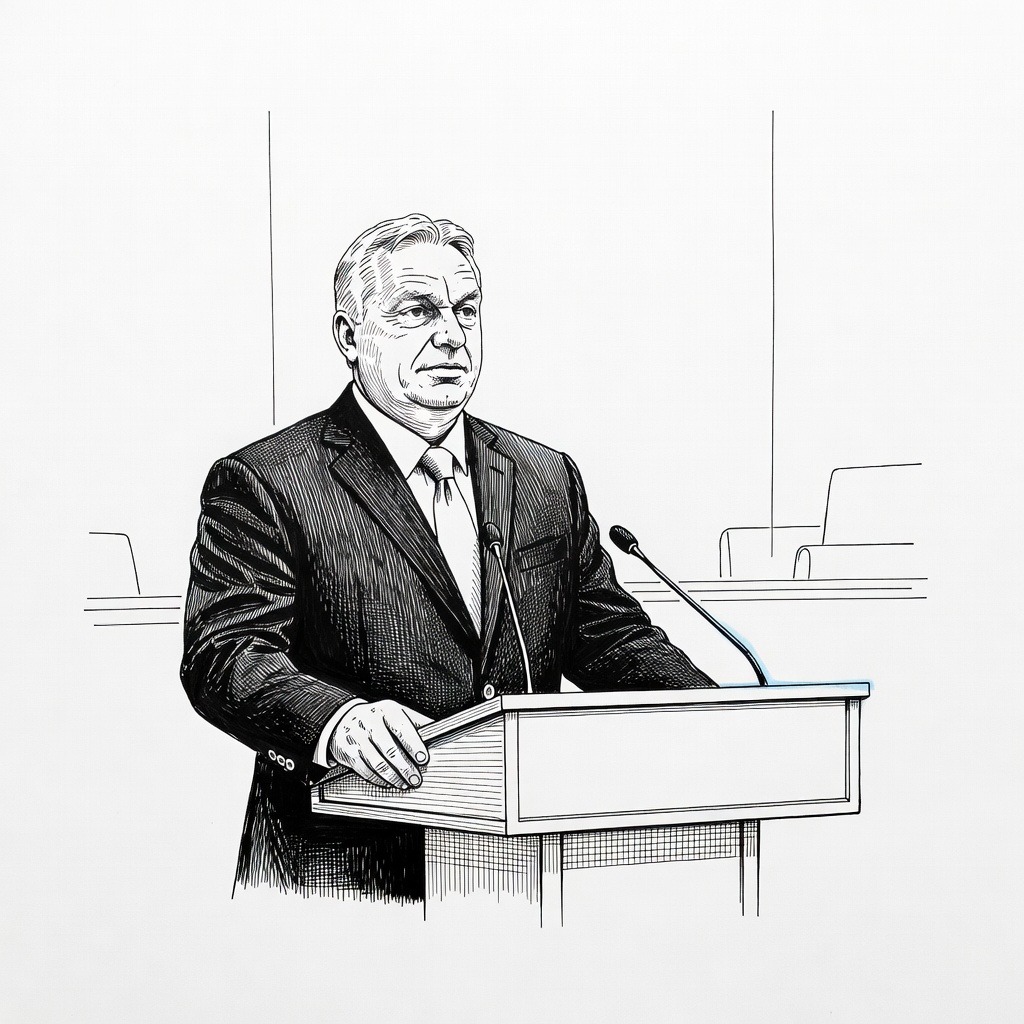
• Engine for Democratic Renewal Prioritizes government accountability and the active dismantling of entrenched power structures. Magyar’s decisive victory—securing 53 percent of the vote against a 16-year incumbent—is validated as a necessary civic correction against a system accused of restricting media freedoms and suppressing minority rights. The historic voter turnout is interpreted as a clear, democratic mandate to replace consolidated executive authority with systemic anti-corruption initiatives.
• Pivot Toward Institutional Solidarity Values cooperative international frameworks and the aggressive protection of shared democratic norms. The incoming administration’s pledge to rebuild frayed ties with the EU and NATO is interpreted as a critical rescue of Hungary's diplomatic integrity. From this viewpoint, Orbán’s prior alignment with Russia and the alleged sharing of internal EU discussions fundamentally threatened regional security, making this leadership change a triumph for European democratic cohesion.
• Reclaiming the Social Contract Emphasizes the state's primary duty to deliver equitable public services rather than engaging in perpetual ideological brinkmanship. Magyar’s central campaign focus on tangible domestic improvements like healthcare and public transport represents a vital return to baseline civic obligations. The electoral rejection of Fidesz signals a firm public demand to prioritize everyday citizen welfare over international obstructionism.
How it may affect me
As a U.S. reader:
• There is no significant direct impact expected for the general public in the United States, as the provided information focuses entirely on Hungary's internal governance and its regional diplomatic shifts regarding the European Union, NATO, Russia, and Ukraine.