
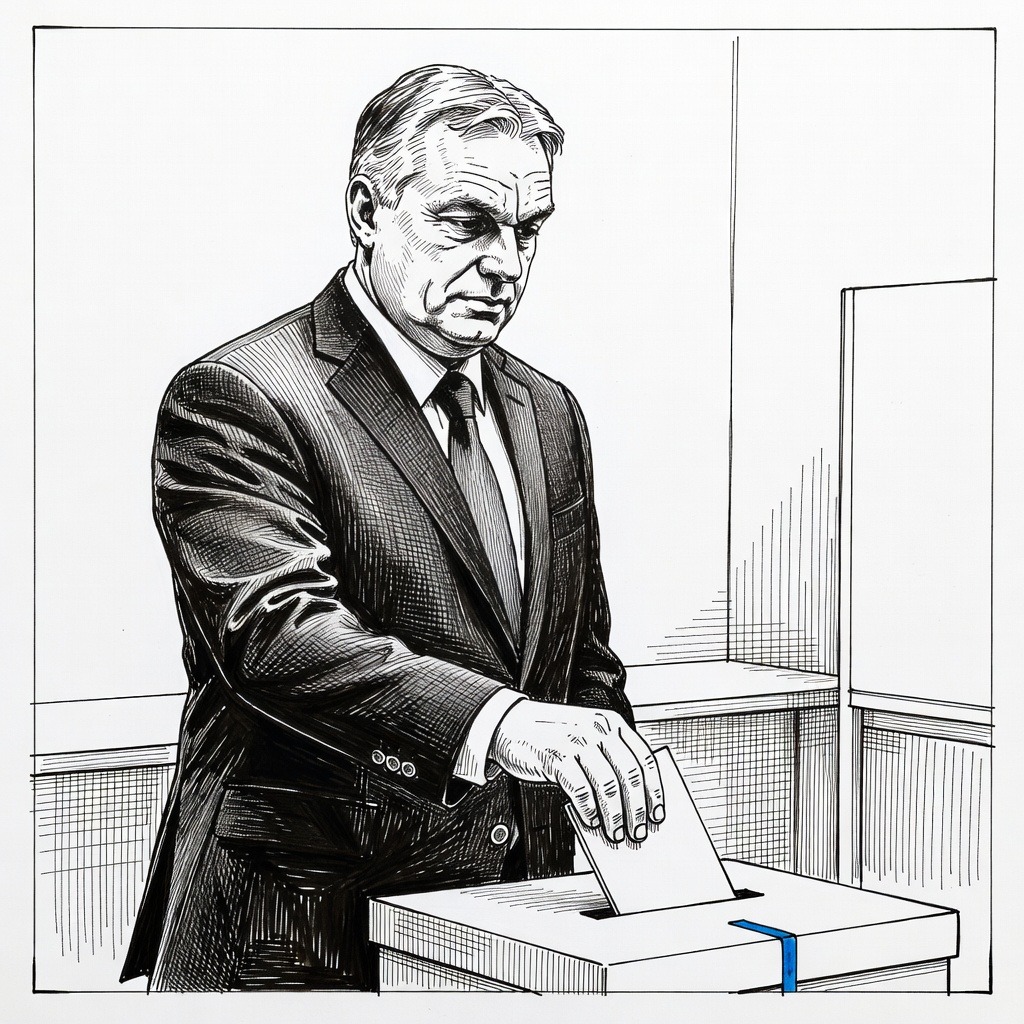
• Dismantle Entrenched Political Monopolies The Reformer views Viktor Orbán’s 16-year tenure not as stability, but as democratic stagnation requiring urgent disruption. Péter Magyar's accusations of corruption, alongside local claims regarding the misuse of state resources and vote-buying, highlight a critical need for government accountability. For this camp, breaking the Fidesz party's grip is essential to restoring institutional transparency and preventing entrenched leaders from treating state assets as personal political leverage.
• Reclaiming Democratic Alliance Commitments Prioritizing integration with Western democratic institutions, this framework interprets Orbán’s alleged alignment with Moscow as a dangerous betrayal of international norms. The freezing of European Union funds—equivalent to roughly 7 percent of Hungary’s GDP—is viewed as a necessary, justified sanction against domestic democratic backsliding. Electing the Tisza party is therefore seen as a vital moral and economic pivot to realign Hungary with liberal European policies and unlock crucial civic resources.
• Resisting Transactional Foreign Influence The explicit electoral intervention by U.S. leaders Donald Trump and JD Vance is viewed as an inappropriate intrusion that subverts Hungarian democratic self-determination. Trump’s offer to leverage American economic power conditional on an Orbán victory reduces international diplomacy to a transactional protection racket for ideological allies. Reformers fear this normalizes a dangerous precedent where foreign heavyweights manipulate local democratic processes to artificially sustain autocratic-leaning incumbents.
How it may affect me
As a U.S. reader:
• There is no significant public impact expected for the general public in the United States, as the election and associated U.S. political endorsements primarily concern Hungarian domestic governance, European Union disputes, and international alliance structures rather than events with direct, practical consequences for daily American life.