
Russia and Ukraine Accuse Each Other of Violating Orthodox Easter Ceasefire

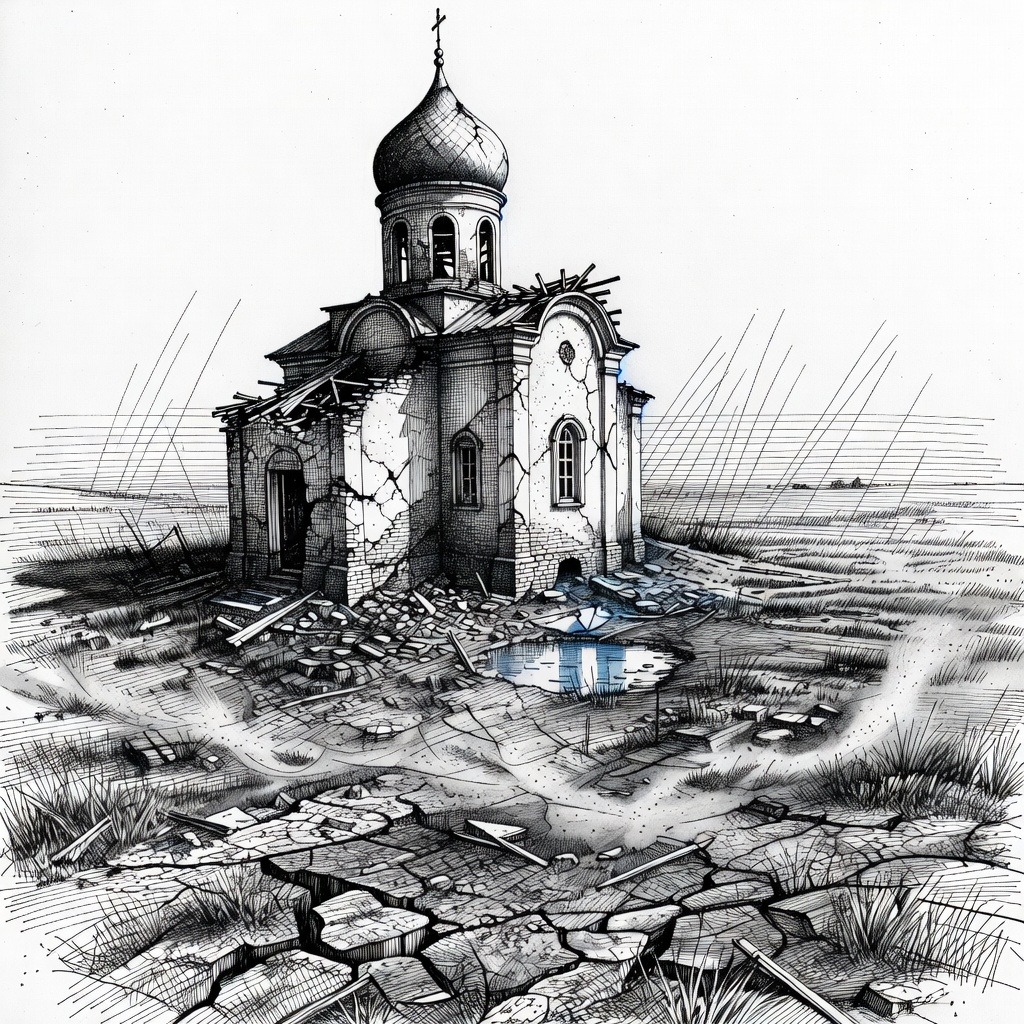
Illustration for: Russia and Ukraine Accuse Each Other of Violating Orthodox Easter Ceasefire
AI-generated illustration. Visual interpretation does not represent real individuals or scenes.

THE BARE STORY

Russian President Vladimir Putin declared a 32-hour ceasefire for the Orthodox Easter holiday, ordering a halt to hostilities from Saturday afternoon through the end of Sunday. Ukrainian President Volodymyr Zelenskyy agreed to observe the pause but warned that Kyiv would respond swiftly to any infractions. By early Sunday, however, the temporary truce deteriorated as both nations traded accusations of thousands of attacks.

Ukraine’s military stated it recorded 2,299 ceasefire violations by early Sunday morning, citing shellings, assaults, and small drone strikes. Conversely, the Russian Defense Ministry claimed that Ukrainian forces committed 1,971 infractions involving artillery, tanks, and dropped munitions. Both sides maintained that the opposing forces continued to strike military positions and border regions despite the official holiday declaration.

Following the mutual accusations, Kremlin spokesman Dmitry Peskov announced on Sunday that Russia would not extend the truce and that military operations would continue unless Ukraine accepts Moscow's terms. Civilians in the region had expressed skepticism regarding the pause, with attendees at a Kyiv heritage park noting that shelling typically persists regardless of holiday declarations. The immediate collapse of the agreement mirrors previous failed truces in the four-year conflict, which began with Russia's invasion in February 2022.

Same Facts. Different Perspectives.

Two AI models. Two viewpoints. One factual foundation.

• Tactical Theater Masking Operations Guided by realpolitik, this perspective interprets Putin’s 32-hour declaration not as a humanitarian gesture, but as a calculated operational pause designed to regroup forces. The sheer volume of infractions reported by early Sunday—combining artillery, tanks, and drone strikes across nearly 4,300 mutual accusations—confirms that militaries utilize "ceasefires" to improve tactical positioning. In this view, trusting an adversary's stated intent without verifiable enforcement mechanisms is a severe strategic liability.

• Imperative of Armed Deterrence Prioritizing national security and territorial defense, the immediate failure of the agreement validates Zelenskyy's initial caution that Kyiv would respond swiftly to infractions. A realist recognizes that halting fire unilaterally while an opponent continues to strike border regions actively degrades sovereign defense. Maintaining a posture of immediate retaliation is the only effective method to prevent adversaries from exploiting diplomatic pauses for battlefield gain.

• Extortion Through False Diplomacy The overarching strategic implication is that adversaries will continuously use failed truces to justify escalated aggression. Peskov linking the end of the ceasefire directly to Ukraine’s refusal to accept Moscow's terms demonstrates how diplomatic gestures are weaponized to shift blame for ongoing hostilities. The repeated collapse of these agreements since the February 2022 invasion reinforces the realist doctrine that lasting stability cannot be negotiated from a position of vulnerability, but must be secured through military strength.

How it may affect me

As a U.S. reader:

• Based strictly on the provided text, there is no significant public impact expected for members of the general public in the United States, as the article and perspectives focus entirely on localized military operations, regional diplomacy, and humanitarian consequences between Russia and Ukraine without detailing any involvement or direct effects on the U.S.

Read the story at

Note: All TheBareNews content is AI-generated. For additional context, reporting, and updates, you are invited to explore the news outlets linked above.