
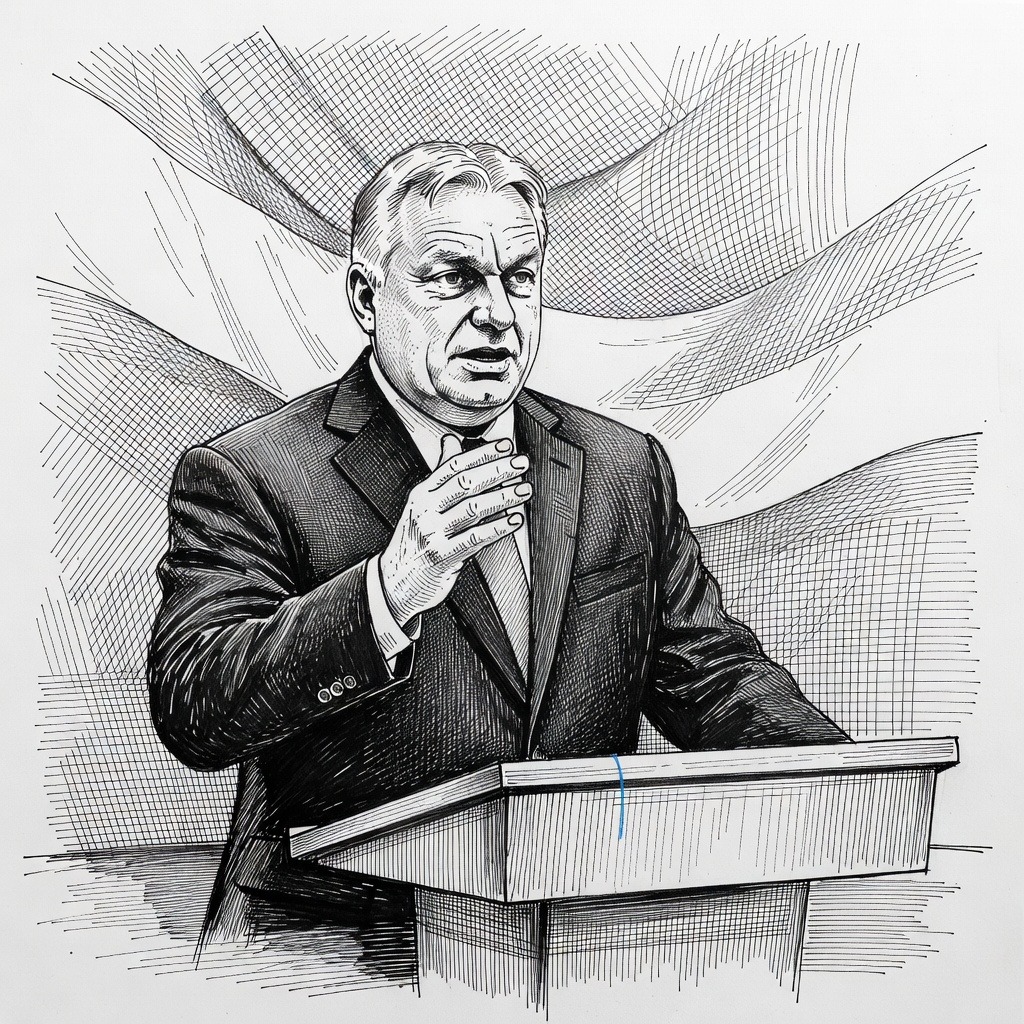
• Breach of Democratic Firewalls Prioritizing government accountability and civil liberties, this camp views Orbán’s 14-year tenure as a systematic dismantling of democratic checks and balances. The EU and independent watchdogs’ documentation of restricted media, compromised judicial independence, and widespread corruption are interpreted as the hallmarks of autocratic consolidation. From this perspective, the ruling Fidesz party has fundamentally tilted the electoral playing field to maintain power since 2010, transforming a functioning democracy into an illiberal regime.
• Betrayal of International Norms Valuing international cooperation and the protection of vulnerable populations, this framework interprets Orbán’s policies as a dangerous deviation from Western democratic alliances. His continued diplomatic and energy ties with Russia are seen as a severe security liability that fractures European unity in the face of aggression. Furthermore, the documented discrimination against migrants and minority groups is viewed as a violation of fundamental human rights that weaponizes xenophobia for political survival rather than addressing genuine social needs.
• Globalizing the Illiberal Playbook Prioritizing the preservation of global democratic institutions, this camp sees the active interventions by U.S. leaders Donald Trump and JD Vance as an alarming transnational alliance of anti-democratic populism. The center-right Tisza Party's surge in the polls represents a critical opportunity for democratic restoration against an entrenched strongman. The direct campaigning by a U.S. Vice President at an April 7 rally in Budapest signals a dangerous ideological export, normalizing democratic decay under the guise of defending "Western civilization."
How it may affect me
As a U.S. reader:
• The outcome of the Hungarian parliamentary election and the associated endorsements by U.S. leaders are not expected to have any significant, direct practical impact on the daily lives of the general public in the United States, as the event primarily concerns European governance, regional security dynamics, and international ideological alliances rather than changes to U.S. domestic, economic, or legal policies.