
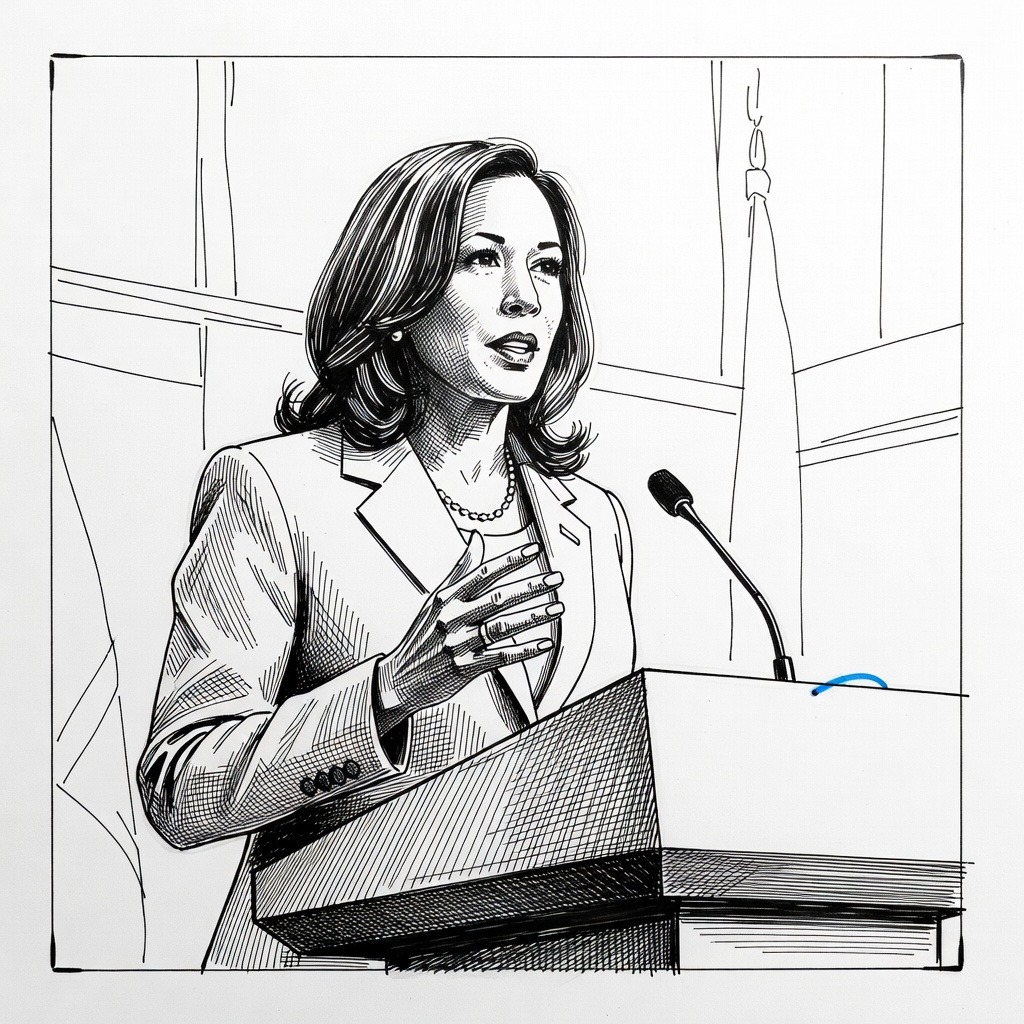
• Dismantle the Status Quo Prioritizing government accountability and the protection of vulnerable demographics, this camp views Harris’s assertion that the current system is "failing the public" as a necessary critique of entrenched power. Her decision to signal a run at the National Action Network, an organization historically rooted in civil rights, underscores an intent to mobilize marginalized communities. The supportive chants from attendees validate the belief that a systemic course correction is urgently required from the current leadership.
• Enforce Global Administrative Accountability Valuing international cooperation and transparent governance, the Left frames Harris’s critique of the Iran war as vital oversight of unchecked executive power. By disputing the claim that Iran's nuclear program was fully destroyed and highlighting the alienation of allied nations, this framework grounds its argument in the necessity of multilateralism and fact-based foreign policy. This reinforces the broader narrative that the administration's unilateral military actions are actively degrading both global stability and democratic integrity.
• Mobilize Progressive Political Infrastructure Emphasizing collective political action to secure long-term social equity, this perspective views the early convention gathering and upcoming fundraisers in North Carolina, South Carolina, and Georgia as essential base-building. The convergence of a deep bench of Democratic contenders—including figures like Buttigieg, Pritzker, and Khanna—demonstrates a robust, competitive coalition preparing to challenge conservative power. This early mobilization is seen as a necessary safeguard to build momentum ahead of the midterm elections and the 2028 cycle.
How it may affect me
As a U.S. reader:
• In the short term, the public will need to navigate conflicting official claims regarding national security and the exact status of Iran's nuclear capabilities during the active, ongoing war.
• Residents in North Carolina, South Carolina, and Georgia will experience an immediate increase in local political organizing, events, and fundraising efforts as candidates mobilize ahead of the midterm elections.
• In the long term, voters can expect an extended 2028 presidential campaign cycle, resulting in prolonged exposure to partisan messaging and competitive coalition-building years before the actual election.