
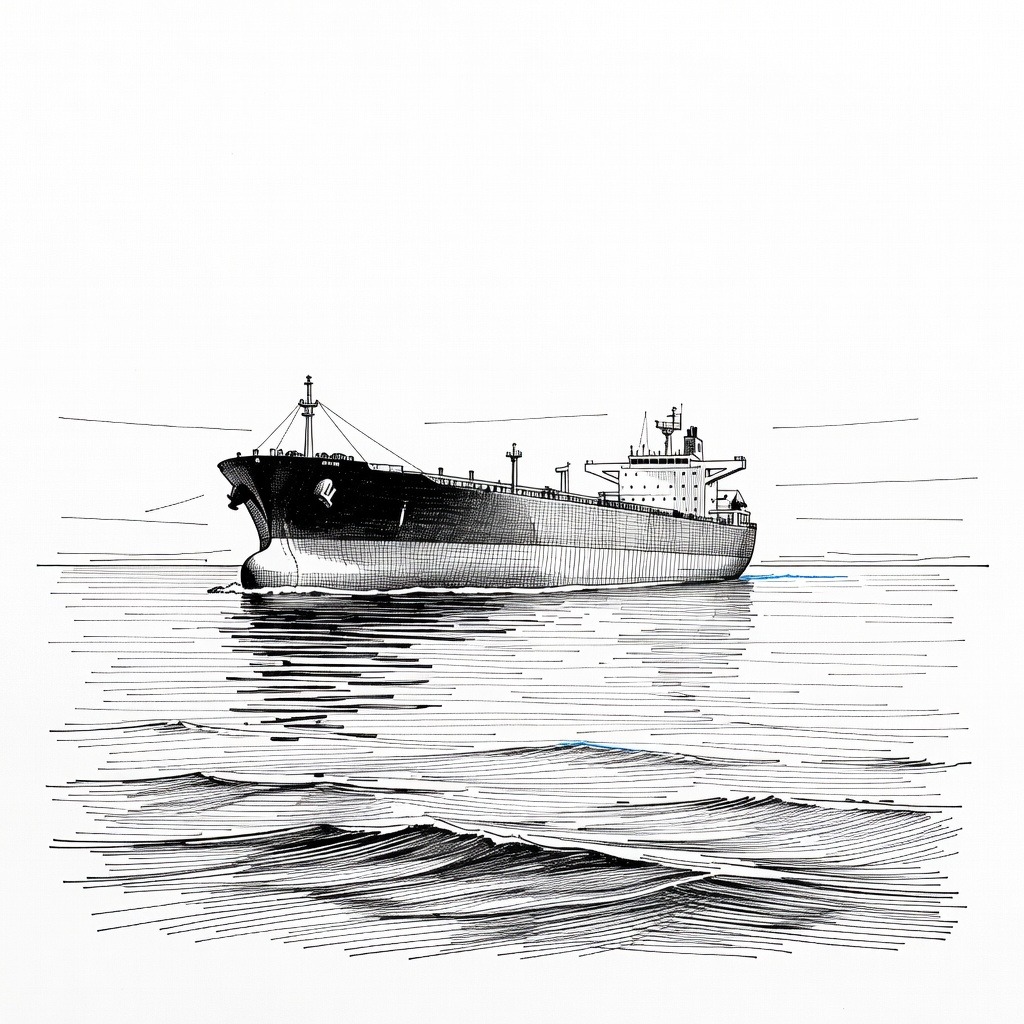
• Anchor Regional Diplomatic Stability The two-week ceasefire represents a vital, albeit fragile, mechanism to stabilize a deeply interconnected crisis. By prioritizing diplomacy over kinetic exchange, negotiators have created a crucial window to de-escalate tensions that threaten human life and global supply networks. Relying on continuous military posturing only guarantees further instability, whereas diplomatic off-ramps provide the only sustainable path to long-term regional peace.
• Shield Consumers From Contagion Geopolitical brinkmanship carries immense downstream costs for everyday citizens, making conflict avoidance an urgent socioeconomic imperative. With domestic gasoline reaching $4.16 per gallon and West Texas Intermediate futures surging 8% to over $100 per barrel, systemic market volatility directly punishes the working class. Protecting vulnerable populations from these severe, conflict-driven price shocks requires exhausting all diplomatic channels to insulate global energy access.
• Mitigate Proxy Conflict Traps The threat of Tehran abandoning the truce due to Israeli military actions in Lebanon illustrates the dangerous ripple effects of regional aggression. This interconnected fragility proves that isolated military strikes often act as catalysts for broader, uncontrollable systemic disruptions. Preventing the permanent closure of the Strait of Hormuz demands a holistic, multilateral diplomatic framework rather than fragmented escalations that risk total regional collapse.
How it may affect me
As a U.S. reader:
• In the short term, consumers will continue dealing with multi-year high gasoline prices, currently averaging $4.16 per gallon, which directly impacts everyday household budgets.
• Near-term fuel costs remain vulnerable to severe market volatility, as oil futures recently surged over $100 per barrel due to shipping disruptions and physical crude shortages.
• Long-term relief at the gas pump depends entirely on the durability of the two-week ceasefire and the return of secure shipping through the Strait of Hormuz, which experts caution will not happen quickly.
• Consumers remain exposed to potential economic shocks if the fragile truce collapses due to regional military actions or if conflicting reports about maritime closures further disrupt global energy supplies.