
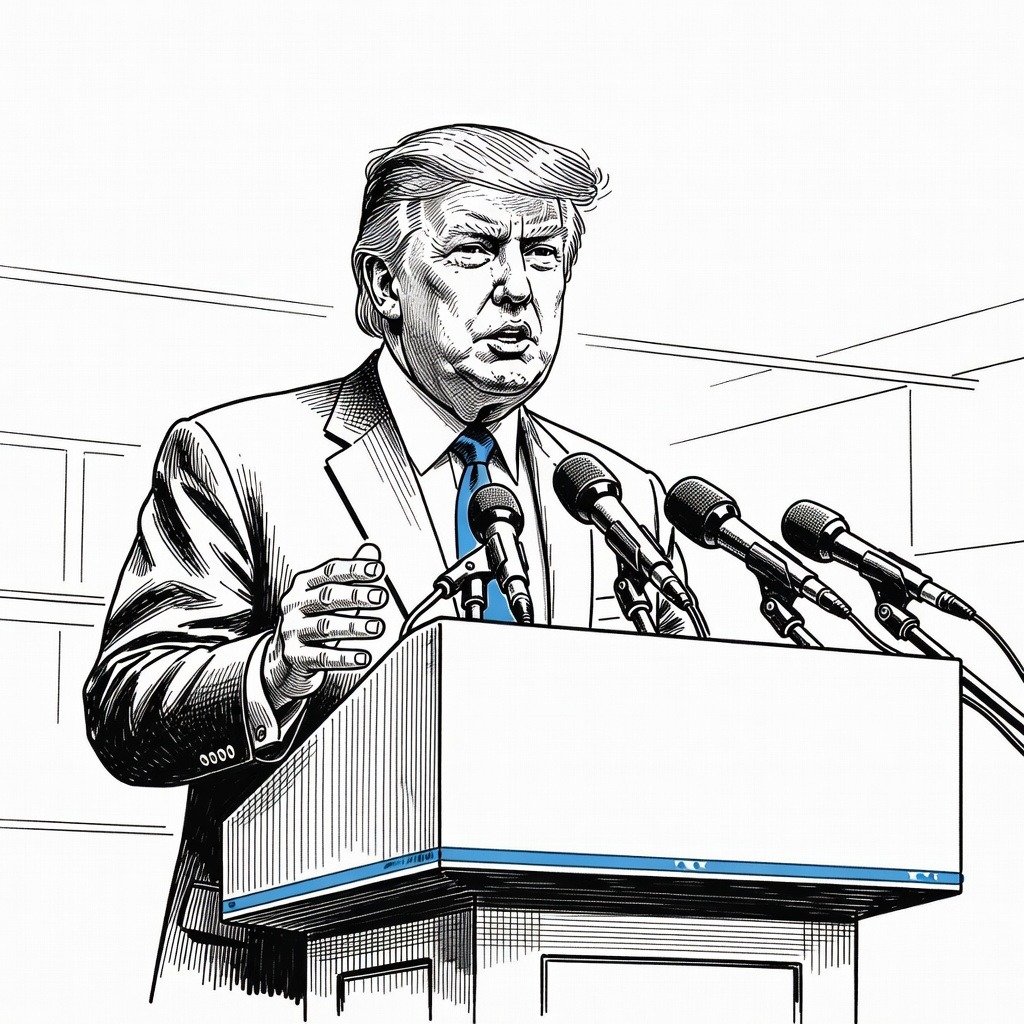
• Prioritize Diplomatic Lifelines Prioritizing diplomatic de-escalation frames the Islamabad negotiations as a critical safeguard against a catastrophic regional war. Securing a fragile two-week truce following late February’s military operations is viewed as a necessary, life-saving first step to cool tensions. This framework interprets ongoing dialogue over complex issues—like Iran's enriched uranium and maritime access—as the only viable mechanism to replace destructive military brinkmanship with sustainable international agreements.
• Acknowledge Regional Conflict Webs Holistic conflict resolution dictates that isolated treaties cannot survive while adjacent conflicts rage. Iran’s claim that waterway restrictions are a direct response to Israeli strikes against Hezbollah demonstrates the inherently interconnected nature of Middle Eastern geopolitics. By noting that U.S. officials indicated Israel would reduce strikes to support the agreement, this perspective recognizes that lasting stability requires addressing systemic, cross-border grievances rather than forcing an artificial separation of regional crises.
• Shield Global Economic Stability Protecting vulnerable populations from the collateral damage of geopolitical standoffs is a paramount priority. The severe restriction of the Strait of Hormuz—stranding over 3,000 vessels and thousands of mariners while disrupting 20 percent of the global oil supply—illustrates the profound human and economic cost of conflict. There is deep concern that aggressive rhetoric or zero-sum ultimatums will shatter the fragile truce entirely, accelerating domestic inflation worldwide and prolonging the suffering of civilian supply chains.
How it may affect me
As a U.S. reader:
• In the short term, you may experience higher prices for everyday goods, as the rerouting of cargo ships significantly increases freight costs and contributes to domestic inflation.
• Energy and fuel prices could rise due to the severe maritime bottleneck in the Strait of Hormuz, which disrupts a waterway responsible for roughly 20 percent of the global oil supply.
• Imported goods may face immediate delivery delays, as the ongoing disruption has stranded thousands of mariners and created a backlog of over 3,000 commercial vessels.
• In the long term, the outcome of the ceasefire negotiations in Pakistan will likely influence U.S. national security and determine whether diplomatic efforts can prevent the conflict from escalating into a broader regional war.