
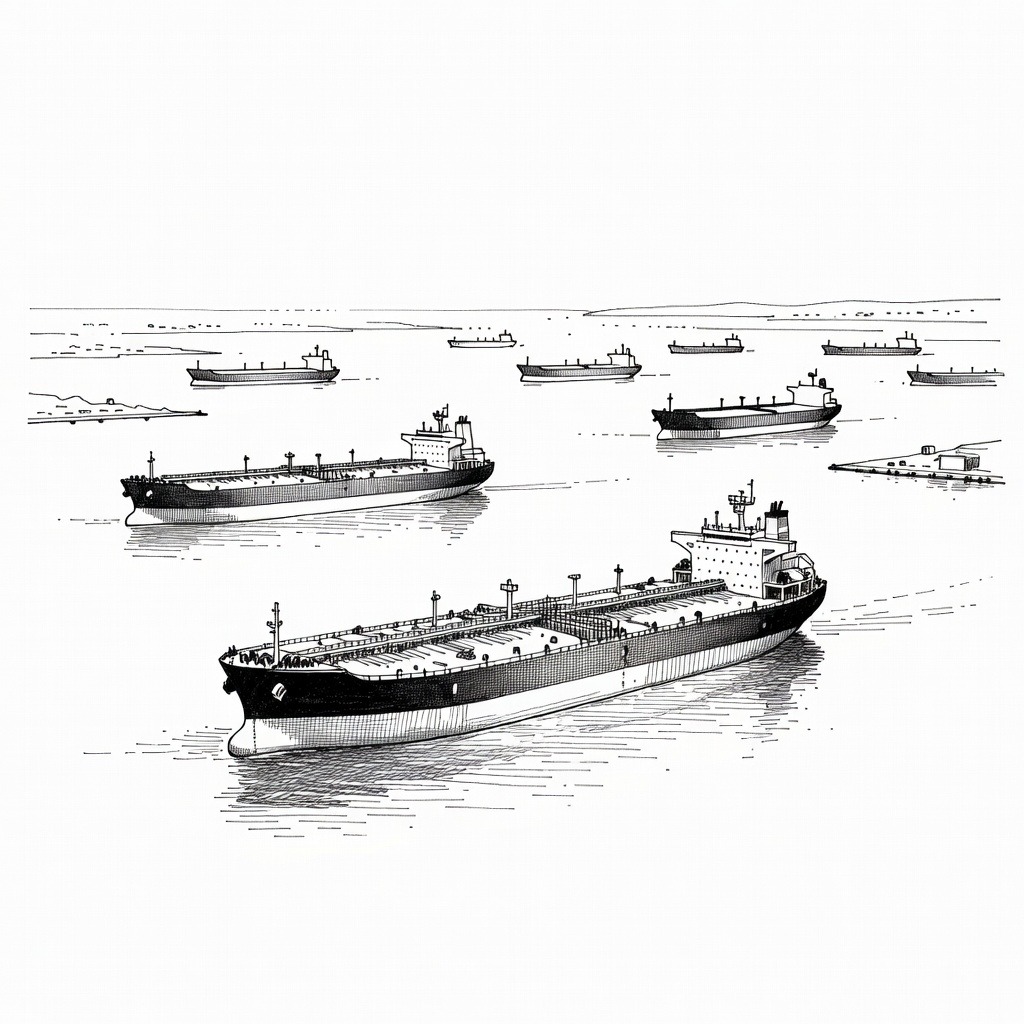
• Pivot to Diplomatic De-escalation Prioritizing the cessation of armed conflict, this perspective views the two-week ceasefire as a vital triumph for regional stability. While 230 oil tankers remain bottlenecked, halting active military operations prevents the immediate humanitarian and economic catastrophe of a broader war. The temporary pause is interpreted as a necessary, life-saving foundation for transitioning away from unilateral military force toward mediated, long-term conflict resolution.
• Shield International Maritime Precedents Valuing established global governance, this camp forcefully aligns with the UN IMO against the proposed U.S.-Iranian toll system. Monetizing an international strait through a bilateral agreement is viewed as a dangerous erosion of international maritime law. Institutionalists fear that bypassing established treaties for a transactional toll system sets a legally disastrous precedent, encouraging other nations to restrict global commons for unilateral diplomatic or financial gain.
• Anchor Multilateral Alliance Cohesion Emphasizing collective security and multilateral consensus, this framework views the U.S. threat to withdraw from NATO as deeply counterproductive. NATO Secretary General Rutte’s admission of slow initial support is interpreted as the natural byproduct of an alliance reacting to a sudden, unilateral U.S. military campaign, rather than a failure of duty. There is profound concern that leveraging withdrawal threats over logistical delays fractures essential European alliances and undermines the unified diplomatic front required to peacefully reopen the strait.
How it may affect me
As a U.S. reader:
• In the short term, the bottleneck of 230 oil tankers and restricted access to a route carrying a fifth of global liquefied natural gas threatens to severely disrupt energy markets, which could lead to higher fuel prices for American consumers.
• The active two-week ceasefire temporarily pauses U.S. military operations in Iran, reducing the immediate risk of a broader war and shielding American service members from active armed conflict.
• The potential implementation of a U.S.-Iranian toll system could stabilize current shipping deadlocks, but it may also introduce long-term transit costs for global commerce that could be passed down to the public.
• Increased logistical assistance from NATO members to help secure the strait means the financial and operational burden of protecting these vital international shipments will be shared with European allies rather than falling exclusively on the U.S. military.