
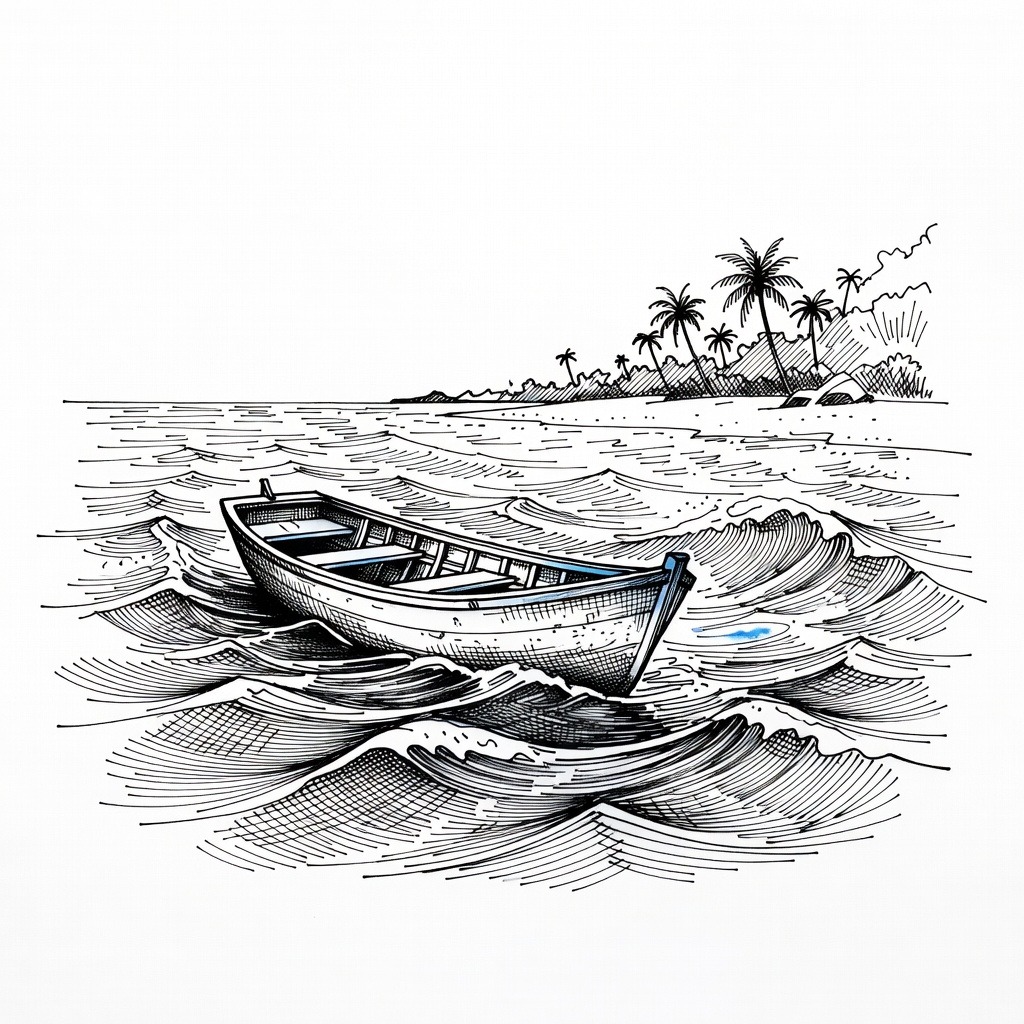
• Amplify the Victim's History Valuing the lived reality of the vulnerable over the unverified assertions of the powerful is central to this investigative framework. By highlighting the daughter’s statements that Lynette Hooker is an experienced swimmer who would not typically handle the vessel's keys, this perspective actively challenges the surviving husband's initial framing. The underlying priority is ensuring that the justice system centers the victim's actual capabilities and familial insight rather than automatically accepting an accidental drowning narrative.
• Interrogate Timeline Discrepancies True accountability requires rigorous skepticism of narratives presented by those in total control of an isolated environment. Brian Hooker’s reported sequence of events—his wife dropping the keys, the engine immediately stopping, and his subsequent solitary paddle to a local marina until 4:00 a.m.—presents structural conveniences that demand intense critical scrutiny. This camp views the rapid launch of a United States Coast Guard criminal investigation as a necessary, immediate intervention to pierce a highly improbable timeline before evidence degrades.
• Prevent Jurisdictional Exploitation Protecting marginalized or vulnerable parties means recognizing how geographic and structural complexities can be weaponized to evade justice. The incident's remote location in the Bahamian Abaco Islands aboard a small 8-foot dinghy introduces cross-border evidentiary hurdles that often favor the accused. The ultimate fear is that without aggressive, multi-agency escalation, the natural elements and foreign jurisdiction will serve as a permanent shield, allowing institutional friction to obscure the truth of the disappearance.
How it may affect me
As a U.S. reader:
• This isolated international criminal investigation and search operation involving two private citizens is not expected to have any significant or practical impact on the general public in the United States.