
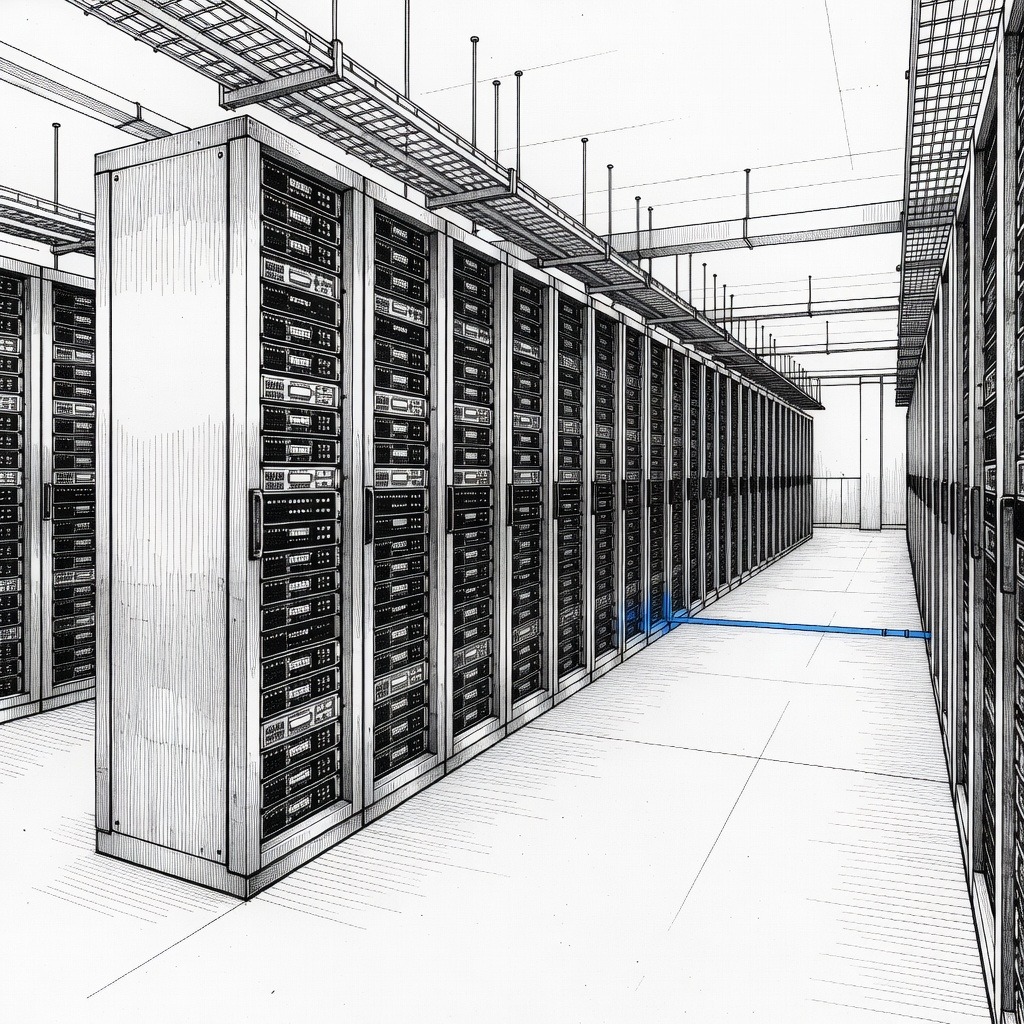
• Extracting Immense Capital Resources Prioritizing equitable economic distribution, this lens views Meta's projected $115 billion to $135 billion in annual capital expenditures as a concerning hyper-concentration of wealth. By doubling spending compared to 2025 projections to fund isolated assets like a $10 billion Texas data center, immense financial power is being diverted into closed corporate ecosystems. This massive capital outlay serves to entrench a single corporation's dominance rather than stimulating broad-based economic or consumer prosperity.
• Illusion of Market Diversification Advocates for fair market competition remain deeply skeptical of the structural dependencies forming within the tech sector. CoreWeave CEO Mike Intrator champions reducing reliance on Microsoft—which accounted for 62 percent of 2024 sales—to ensure no single client exceeds 35 percent of total sales. However, swapping reliance from one trillion-dollar entity to another via a $21 billion contract spanning 2027 to 2032 simply reinforces an oligopoly where only giant monopolies dictate the future of digital infrastructure.
• Accelerating Labor Disruption Risks Viewing automation investments through a lens of social equity reveals distinct threats to workforce stability and consumer protection. The explicit corporate goal of utilizing this extended capacity to "optimize its acquired AI personnel" signals a prioritization of highly concentrated, niche technological efficiency over broader human employment. Funneling a legacy $14.2 billion deal into the new Nvidia Vera Rubin platform accelerates a technological shift that enriches a narrow investor class while extracting value from the wider labor economy.
How it may affect me
As a U.S. reader:
• In the short term, local economies will experience direct domestic infrastructure development resulting from large physical capital projects, such as the construction of Meta's $10 billion data center in Texas.
• Over the long term, workers could face increased labor disruptions and job instability as massive corporate investments prioritize technological automation and the optimization of AI personnel.
• Future consumer access to digital infrastructure may be dictated by a highly concentrated tech oligopoly, as multi-billion dollar agreements extending through 2032 keep market dominance restricted to a few giant corporate entities.
• Individuals with stock market investments may see their technology holdings benefit from these infrastructure strategies, which have proven capable of driving equity gains and corporate stability despite broader macroeconomic pressures and rising crude oil prices.