
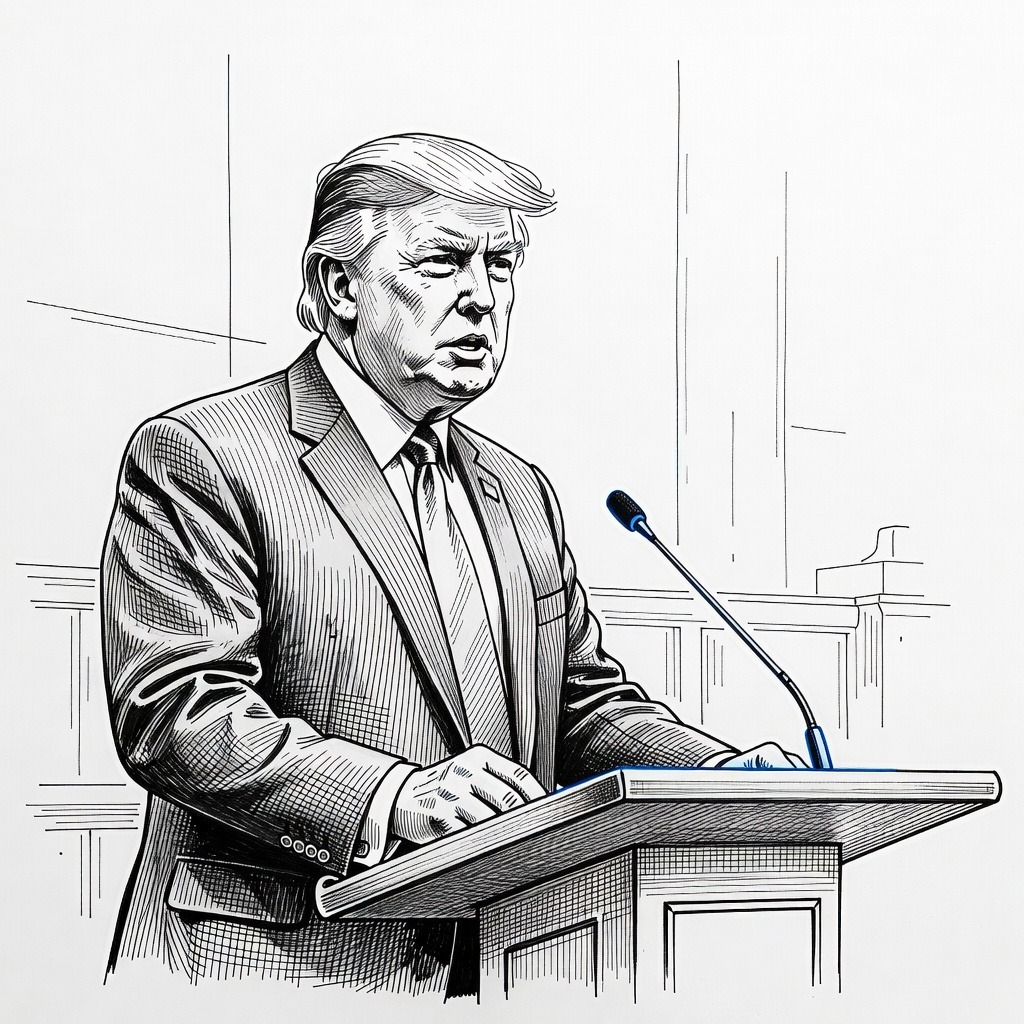
• Pivot From Apocalyptic Brinkmanship Prioritizing diplomatic de-escalation, this camp views President Trump stepping back from the threat of destroying an "entire civilization" as a vital return to sanity. The ceasefire is interpreted not as a tactical victory, but as an essential pivot away from reckless brinkmanship. Averting an existential, mass-casualty disaster remains the ultimate moral imperative, superseding any desire to maintain a rigid martial posture.
• Peace Anchors Global Stability Looking at the intersection of conflict and domestic economics, this camp sees the drop in energy costs as proof that diplomacy serves the public better than militarism. Forecasts from Evercore ISI and Citigroup noting a reduced inflation shock illustrate how war directly taxes everyday consumers. The resulting market rally and the potential for Federal Reserve rate cuts validate the belief that international cooperation is the true engine for economic relief.
• Gamble on Fragile Timelines The arbitrary two-week window for negotiations raises profound alarms about the structural fragility of this diplomatic pause. Relying on an eleventh-hour agreement to halt a volatile five-week conflict suggests a chaotic, transactional approach to foreign policy rather than a committed peace process. There is deep anxiety that without a systemic shift toward international law, the administration will quickly revert to catastrophic threats once the temporary clock expires.
How it may affect me
As a U.S. reader:
• Short-term decreases in energy prices could provide immediate financial relief to everyday consumers who had faced higher costs during the five-week conflict
• The broad stock market rally, specifically in technology, banking, and industrial sectors, may positively impact the near-term value of personal investments and retirement accounts
• In the longer term, the stabilization of energy markets increases the possibility of Federal Reserve interest rate cuts by the end of the year, which could lower consumer borrowing costs
• The strictly two-week timeframe of the ceasefire means the public faces the risk of a sudden return to economic volatility and energy price spikes if negotiations fail and the conflict resumes