
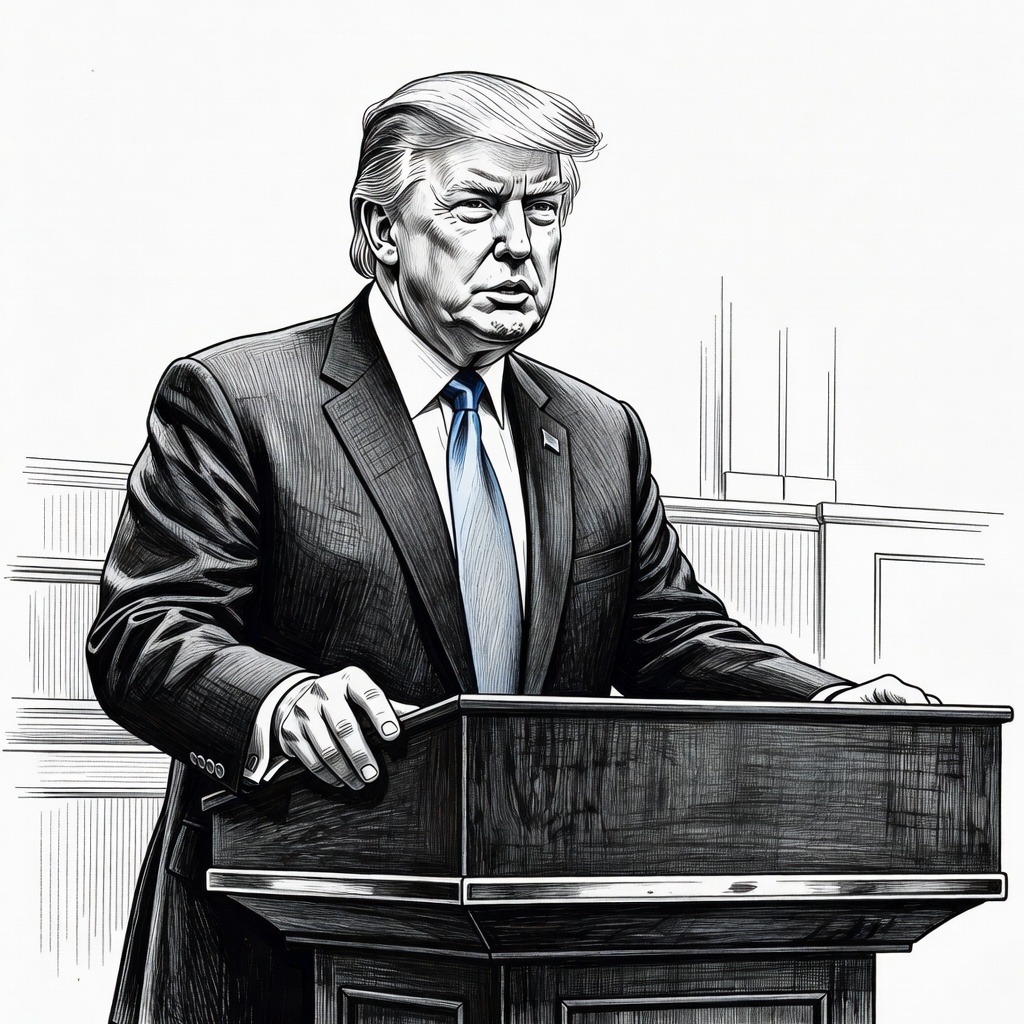
• Condemning the Economic Blowback Prioritizing civic stability and economic equity, this perspective views the 38-day military campaign through the lens of domestic blowback. Senator Schumer’s critique highlights that the financial burden and soaring domestic gas prices inflict immediate, disproportionate harm on American citizens. From this viewpoint, aggressive military intervention operates as an extractive tax on the public, disrupting global energy markets without delivering guaranteed, long-term security.
• Rejecting the Ultimatum Gamble Valuing diplomatic de-escalation and international norms, this camp perceives the president’s threat to destroy an entire civilization as a dangerous violation of proportional statecraft. While the administration claims the ultimatum forced negotiations, this framework views such apocalyptic rhetoric as inherently destabilizing. Relying on existential threats rather than established diplomatic channels risks isolating the United States and triggering uncontrollable regional retaliation if negotiations inevitably stall.
• Exposing the Diplomatic Disconnect Skeptical of military force as a permanent solution, this perspective emphasizes the glaring contradictions between the opposing negotiation postures. The gap between the White House's claim of halted nuclear enrichment and Tehran's ten-point demand for troop withdrawals and continued enrichment suggests Vice President Vance's "fragile truce" is structurally unsound. Destroying massive amounts of infrastructure without a solidified diplomatic consensus is seen as a tactical maneuver that sets the stage for future, escalated conflict.
How it may affect me
As a U.S. reader:
• You may notice a short-term decrease in domestic gas prices, as the temporary ceasefire allows the Strait of Hormuz to reopen to commercial shipping and ease recent energy spikes.
• Your personal investments or retirement accounts tied to global financial markets could experience short-term gains due to the market rally sparked by the cessation of fighting.
• You may face long-term economic impacts stemming from the overall financial burden of funding the 38-day military campaign and the continued deployment of U.S. forces monitoring the Middle East.
• You remain exposed to the long-term risk of renewed military conflict and associated economic instability if negotiations fail, as the U.S. and Iran currently hold deeply contradictory demands regarding nuclear enrichment, sanctions relief, and troop withdrawals.