
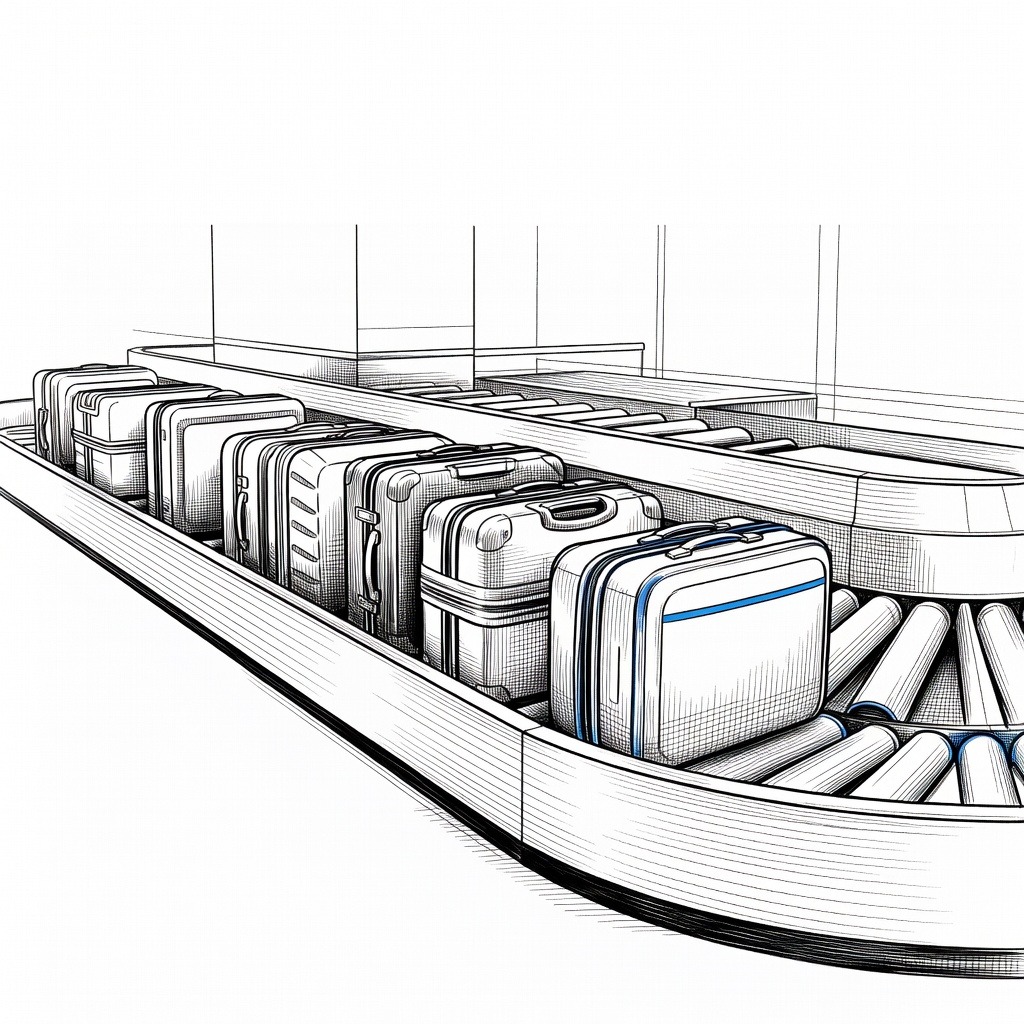
• Shifting Geopolitical Costs Downward Prioritizing consumer protection means resisting corporate maneuvers that pass systemic supply chain shocks directly onto everyday patrons. Delta’s decision to cover the 132 percent surge in jet fuel prices by hiking first and second bag fees to $45 and $55 shifts the financial burden of the Strait of Hormuz closure onto individual travelers. This approach insulates corporate profit margins by instantly taxing captive consumers for macroeconomic volatility entirely beyond their control.
• Exploiting Consolidated Market Power Social equity models view synchronized price hikes across dominant firms as a symptom of broken, anti-consumer market competition. Delta’s move immediately follows identical adjustments by United Airlines and JetBlue, highlighting how a consolidated aviation market leaves consumers with no viable alternatives to avoid the $10 fee increase. This lockstep pricing maneuver demonstrates how industry oligopolies can leverage "evolving global conditions" to uniformly squeeze passengers without risking a loss of market share.
• Penalizing Baseline Travel Necessities Advocating for systemic fairness requires scrutinizing how ancillary fees disproportionately punish those who do not have the privilege of traveling light. Pushing the cost of a third checked bag to an exorbitant $200 transforms a logistical necessity—especially for families, relocations, or extended travel—into a punitive financial barrier. Framing these aggressive fee hikes as a routine "pricing review" obscures the structural reality of corporately extracting revenue from a population’s basic mobility needs.
How it may affect me
As a U.S. reader:
• Travelers purchasing domestic and short-haul international tickets on Delta, United, or JetBlue will experience an immediate out-of-pocket cost increase, paying $45 for a first checked bag and $55 for a second.
• Families, individuals relocating, and those taking extended trips face a heavy financial impact, as the cost to check a third bag has increased to $200.
• Passengers who pack lightly and do not check bags may avoid paying for the recent surge in fuel costs, as the airlines are using targeted bag fees instead of raising base ticket prices for all travelers.
• In the short term, consumers will have limited options to avoid these specific luggage expenses, as multiple dominant carriers have adopted identical fee structures.
• Over the long term, these increased fees may maintain transit network stability and flight availability by allowing airlines to absorb the 132 percent spike in jet fuel costs without reducing flight schedules or laying off staff.