
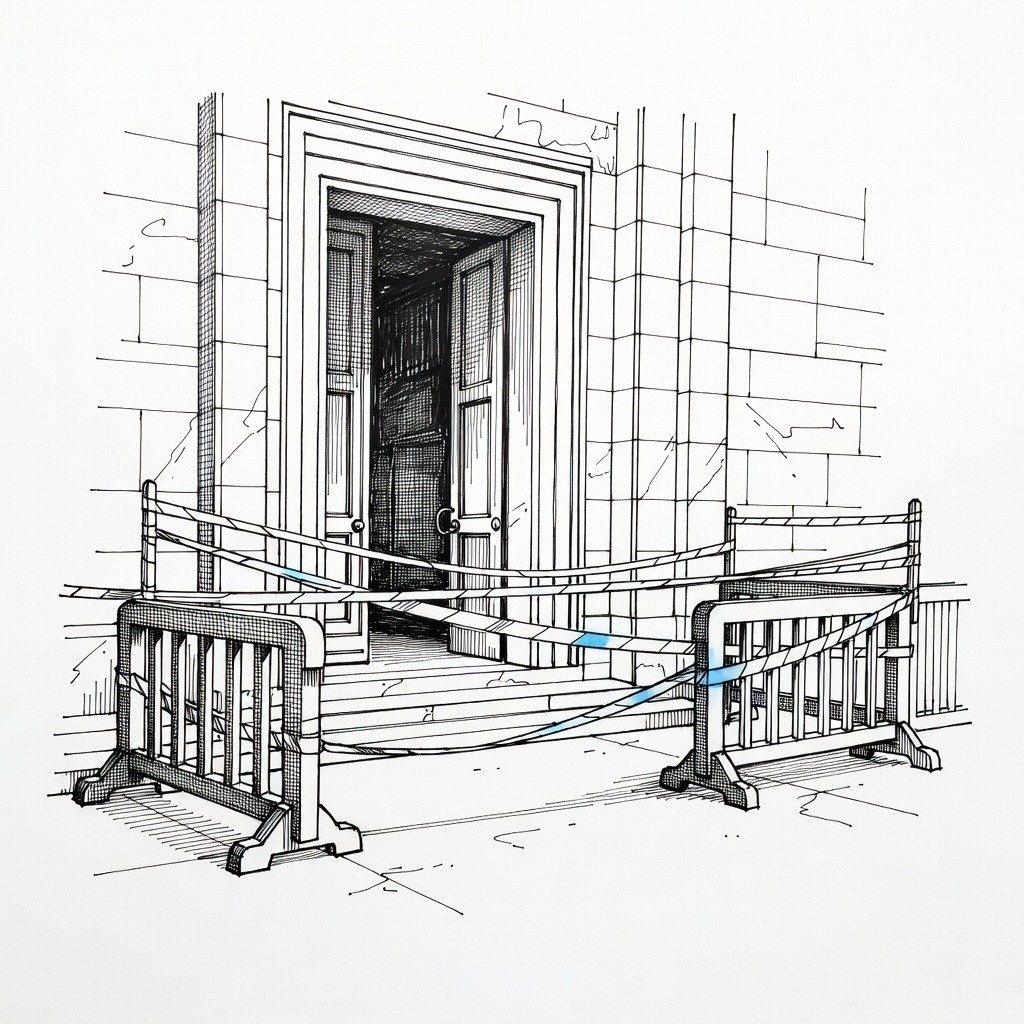
• Symptom of Unresolved Breakdown Prioritizing regional stability and de-escalation, this framework interprets the attack on an empty building as a dangerous warning sign regarding deep-seated, systemic grievances. Because the Istanbul consulate has been closed since October 2023 with no stationed diplomats, the violence serves an entirely symbolic purpose. This reality demonstrates that physical security measures cannot permanently suppress hostility when the underlying socio-political crises and diplomatic relations remain entirely shattered.
• Contagion of Regional Radicalization Focusing on the root causes of violence, the mobilization of these attackers represents a failure to contain extremism through civil means. The fact that three men acquired camouflage trousers, rented a vehicle, and traveled from Izmit specifically to execute a brazen shootout highlights the domestic spread of radicalized actors. This camp views the event as a tragic consequence of allowing regional tensions to fester, ultimately drawing susceptible individuals into deadly, futile confrontations.
• Perils of Diplomatic Void Viewing direct communication as the ultimate safeguard against escalation, the lack of an active diplomatic presence in Turkey is seen as a profound long-term risk. While the Israeli foreign ministry praised the Turkish police response, the fact that both nations must communicate through the lens of a terrorist incident underscores a dangerous communication vacuum. Relying on armed guards to manage international relations guarantees that future disputes will continue to manifest as bloodshed rather than negotiation.
How it may affect me
As a U.S. reader:
• Based strictly on the provided reporting, this event is not expected to have a significant practical impact on the general public in the United States, as the incident and its long-term implications are entirely concentrated on domestic security in Turkey, regional radicalization, and diplomatic relations between Israel and Turkey.