
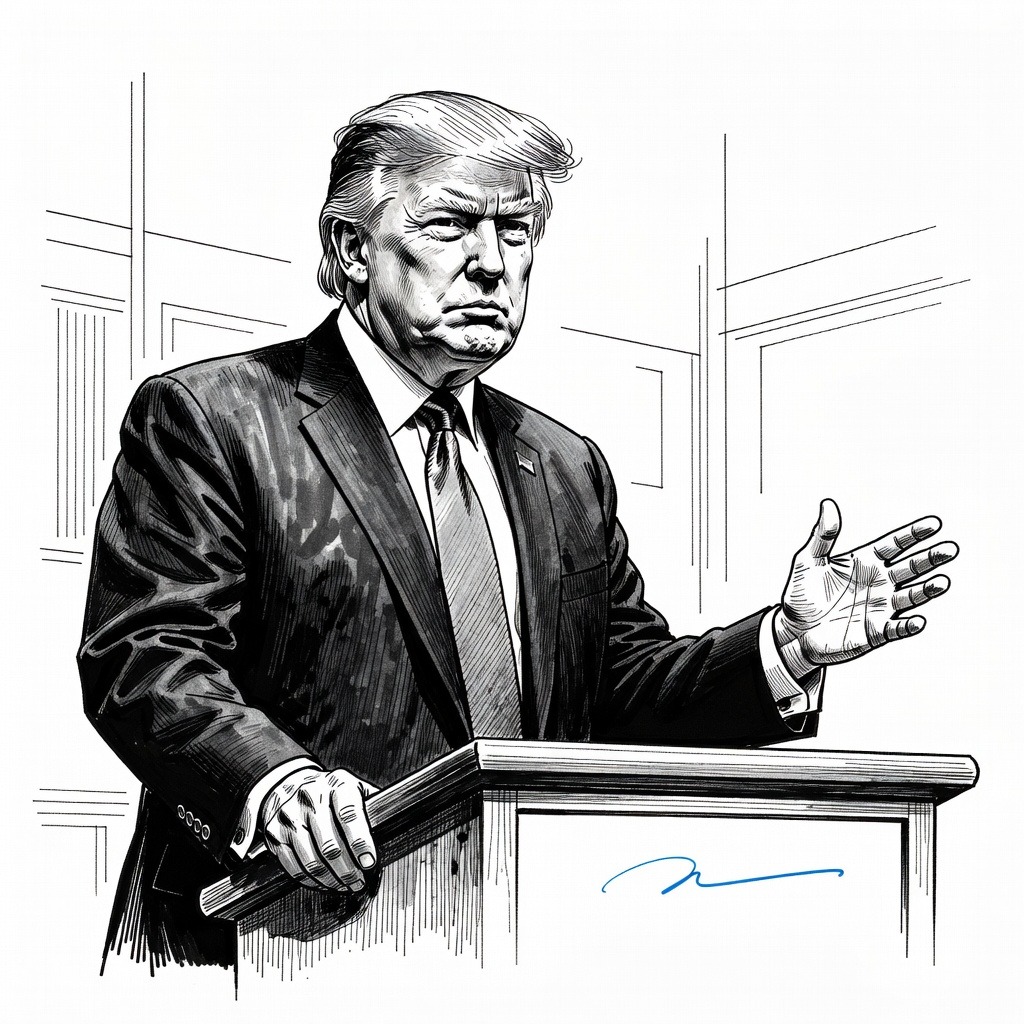
• Targeting Vital Civilian Lifelines Prioritizing international legal norms dictates that threatening domestic infrastructure crosses a dangerous moral red line. The ultimatum to systematically dismantle bridges and power plants is viewed not as a legitimate military strategy, but as a collective punishment that directly threatens the basic survival of the Iranian populace. This framework argues that deliberately destroying a nation's energy and transit grids inherently inflicts the deepest suffering on non-combatants and violates established rules of engagement.
• Fueling a Humanitarian Catastrophe Viewing diplomatic de-escalation as the only sustainable path to peace, this camp points to the mounting alleged civilian casualties stemming from the ongoing six-week bombing campaign. The mobilization of human chains around domestic power facilities highlights the desperate, disproportionate human cost generated by militarized brinkmanship. For this perspective, relying on kinetic strikes to enforce an 8 p.m. Tuesday deadline guarantees further loss of innocent life while completely failing to resolve the underlying geopolitical grievances.
• Imposing Global Collateral Damage Valuing socioeconomic equity, this lens emphasizes that aggressive military posturing inevitably transfers the ultimate cost of conflict onto everyday citizens globally. The surge in benchmark crude oil beyond $110 per barrel and the subsequent shortages in agricultural fertilizer act as a highly regressive tax on the most vulnerable working-class populations. The long-term risk prioritized here is that militarized foreign policy will entrench severe global inflation and supply chain deprivation long after the immediate geopolitical standoff concludes.
How it may affect me
As a U.S. reader:
• In the short term, you will face immediate increases in transportation and daily expenses as the conflict pushes benchmark crude oil prices over $110 per barrel, driving domestic gasoline to multi-year highs.
• You may experience the indirect effects of domestic manufacturing threats and agricultural disruptions caused by shipping bottlenecks that restrict key industrial materials like aluminum, helium, and fertilizer.
• These rising energy and material costs are expected to disproportionately impact working-class populations, acting as an unavoidable financial burden or regressive tax on everyday goods.
• In the long term, you should anticipate sustained higher inflation and elevated consumer costs, which economists warn will persist due to deep supply chain strains even if the Tuesday deadline results in a ceasefire and the waterway reopens.