
US Issues Ultimatum to Iran to Reopen Strait of Hormuz Amid Escalating Conflict

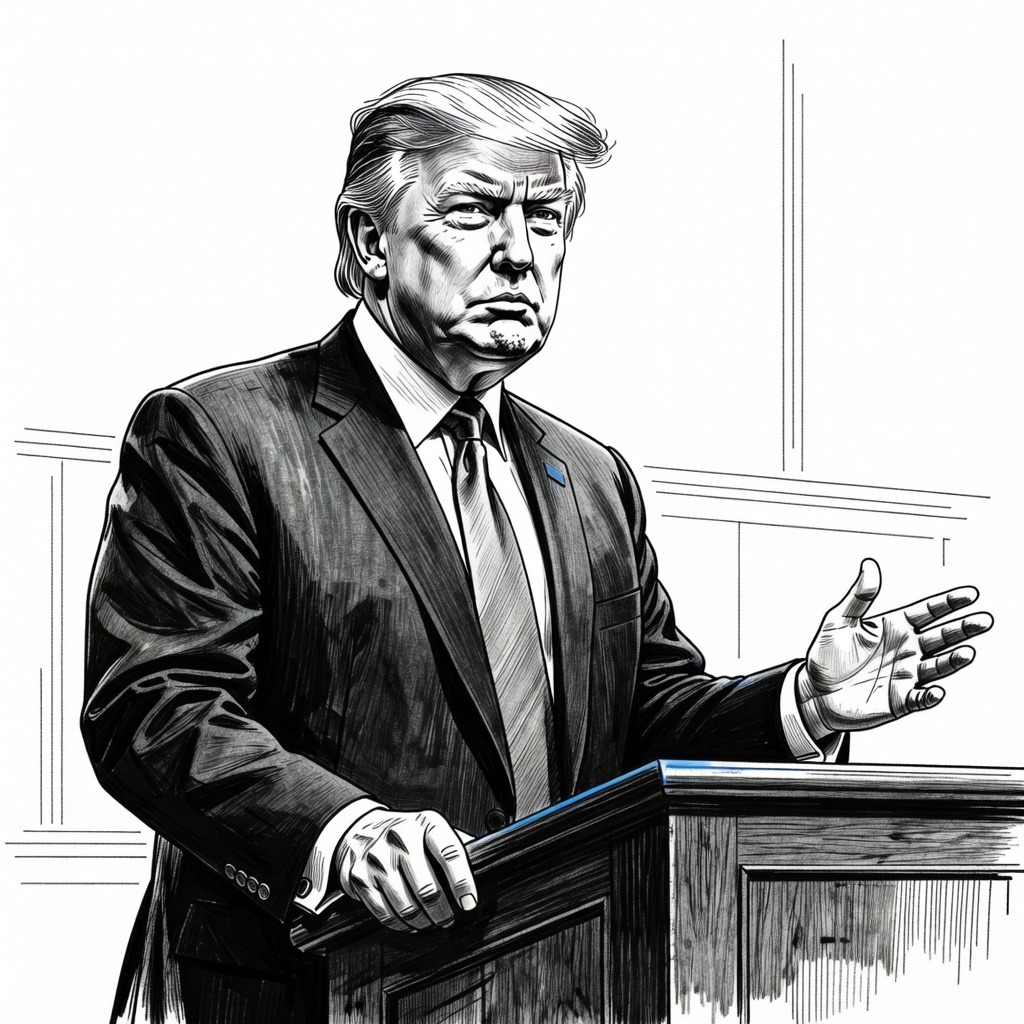
Illustration for: US Issues Ultimatum to Iran to Reopen Strait of Hormuz Amid Escalating Conflict
AI-generated illustration. Visual interpretation does not represent real individuals or scenes.

THE BARE STORY

U.S. President Donald Trump has issued a 48-hour ultimatum to Iran, setting a deadline of Tuesday at 8:00 p.m. Eastern Time to accept a proposed agreement and fully reopen the Strait of Hormuz. Trump warned that failure to comply will result in military strikes against Iranian power plants, bridges, and remaining energy infrastructure. The critical trade waterway has been blocked for more than a month amid an ongoing armed conflict involving the United States, Israel, and Iran.

The ultimatum coincides with a series of Israeli military operations aimed at degrading Iranian capabilities. According to the Israeli military, recent airstrikes severely damaged the South Pars gas field and a major petrochemical facility in Asaluyeh. Israeli officials also reported killing senior Iranian commanders, including Islamic Revolutionary Guard Corps intelligence chief Majid Khademi, in a Monday strike in Tehran. A U.S. lawmaker stated that ongoing operations are successfully diminishing Iran's military capacities without the deployment of American ground troops.

The extended blockade of the Strait has triggered severe disruptions to global supply chains. Brent crude oil prices have surged past $112 per barrel, heavily increasing transportation and airfreight costs worldwide. International aid organizations report that over 100 tons of essential medical and humanitarian supplies are currently stranded in regional ports. Representatives from several humanitarian groups warned that clinics in acute crisis zones, such as Yemen, Sudan, and Afghanistan, face an imminent risk of running out of life-saving medications and therapeutic foods.

Concurrently, the Iranian government has continued a domestic crackdown. Between April 2 and April 6, authorities executed four individuals who were arrested during January protests in Tehran. Iranian judiciary sources claimed two of the men were convicted of attempting to storm a military facility. In response, human rights organizations condemned the hangings, alleging the government is increasing executions to suppress domestic dissent during the broader international conflict.

Same Facts. Different Perspectives.

Two AI models. Two viewpoints. One factual foundation.

• Forcing Compliance Through Ultimatum The president's 48-hour deadline to reopen the Strait of Hormuz operates on the realist principle that rogue actors only respond to credible, overwhelming threats to state survival. Promising the systematic destruction of power plants, bridges, and remaining energy infrastructure establishes the hard deterrent necessary to break a month-long maritime blockade. Strategic doctrine dictates that when vital global waterways are held hostage, absolute redlines backed by the guarantee of kinetic force are the only reliable mechanisms to compel immediate capitulation.

• Shattering Adversarial Military Capabilities Targeted operations against the South Pars gas field, the Asaluyeh petrochemical facility, and high-ranking intelligence leadership like Majid Khademi represent a highly efficient degradation of the enemy's war machine. Leveraging allied Israeli airstrikes to systematically dismantle the adversary's economic engines and command structure achieves critical strategic victories while isolating domestic risk. Neutralizing these resource and intelligence nodes without deploying American ground troops is viewed as the optimal execution of asymmetric force projection.

• Anchoring Global Economic Stability The extended closure of the Strait necessitates decisive military intervention to prevent systemic, long-term disruption of global supply chains. With Brent crude surging past $112 per barrel and heavily inflating worldwide airfreight and transportation costs, reopening maritime trade routes is a foundational national security imperative. Proponents of Realpolitik argue that overwhelming military leverage is a vital market stabilization tool, ensuring that hostile states cannot weaponize global commerce without facing devastating infrastructural retaliation.

How it may affect me

As a U.S. reader:

• In the short term, the surge in Brent crude oil prices past $112 per barrel will likely result in higher domestic gasoline prices and increased transportation and airfreight costs.

• The extended blockade of the Strait of Hormuz risks causing systemic, long-term disruptions to global supply chains, which could delay the arrival of imported goods and further increase consumer prices.

• The 48-hour ultimatum raises the immediate risk of the United States entering a broader regional conflict, though current military strategies mitigate direct harm to military families by avoiding the deployment of American ground troops.

Read the story at

Note: All TheBareNews content is AI-generated. For additional context, reporting, and updates, you are invited to explore the news outlets linked above.