
• Triggering Broad Humanitarian Fallout Targeting dual-use infrastructure like power plants, bridges, and petrochemical facilities reflects a dangerous erosion of international legal norms regarding civilian protection. Threatening essential domestic lifelines as a coercive diplomatic tool risks mass deprivation and predictably invites accusations of war crimes. This approach calculates that destroying societal foundations is an acceptable method to force regime compliance, deliberately ignoring the immediate suffering inflicted on the local population.
• Fueling Endless Retaliatory Cycles The targeted assassination of IRGC intelligence chief Majid Khademi and concurrent facility strikes have demonstrably widened the conflict's blast radius rather than containing it. Prioritizing kinetic decapitation strikes directly provoked Iran’s missile and drone retaliations, spreading the violence and resulting in civilian casualties across Israel and multiple Gulf states. This dynamic validates the fear that aggressive, unilateral military actions predictably generate a self-perpetuating loop of regional bloodshed rather than genuine security.
• Squandering Essential Diplomatic Off-Ramps Delaying presidential approval for a 45-day ceasefire framework while concurrently issuing strict military ultimatums actively sabotages the diplomatic process. Stalling peace frameworks ensures the continued disruption of the Strait of Hormuz, driving a surge in global energy prices that harms ordinary consumers worldwide. By prioritizing absolute capitulation over negotiated de-escalation, this strategy recklessly dismisses the only viable path to halting immediate casualties and stabilizing the region.
How it may affect me
As a U.S. reader:
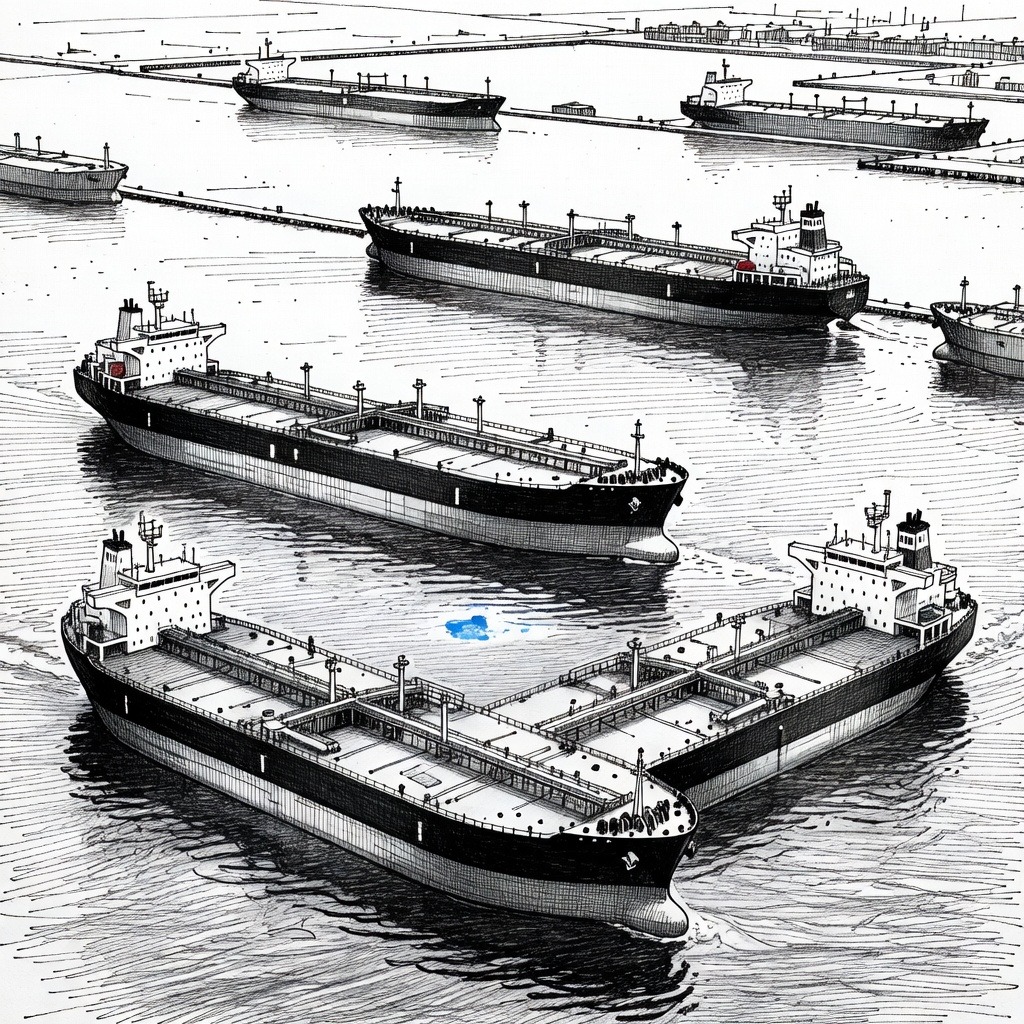
• In the short term, consumers will face increased financial burdens from surging international oil and fuel prices resulting directly from the ongoing disruption of the Strait of Hormuz.
• Long-term economic stability could be threatened if the maritime route remains closed, as the continued conflict over this global energy choke point disrupts a critical artery of international commerce.
• The risk of broader U.S. military involvement remains high, directly impacting military personnel and their families, as American forces are actively engaged in regional operations and the president has issued an ultimatum threatening further infrastructure strikes.