
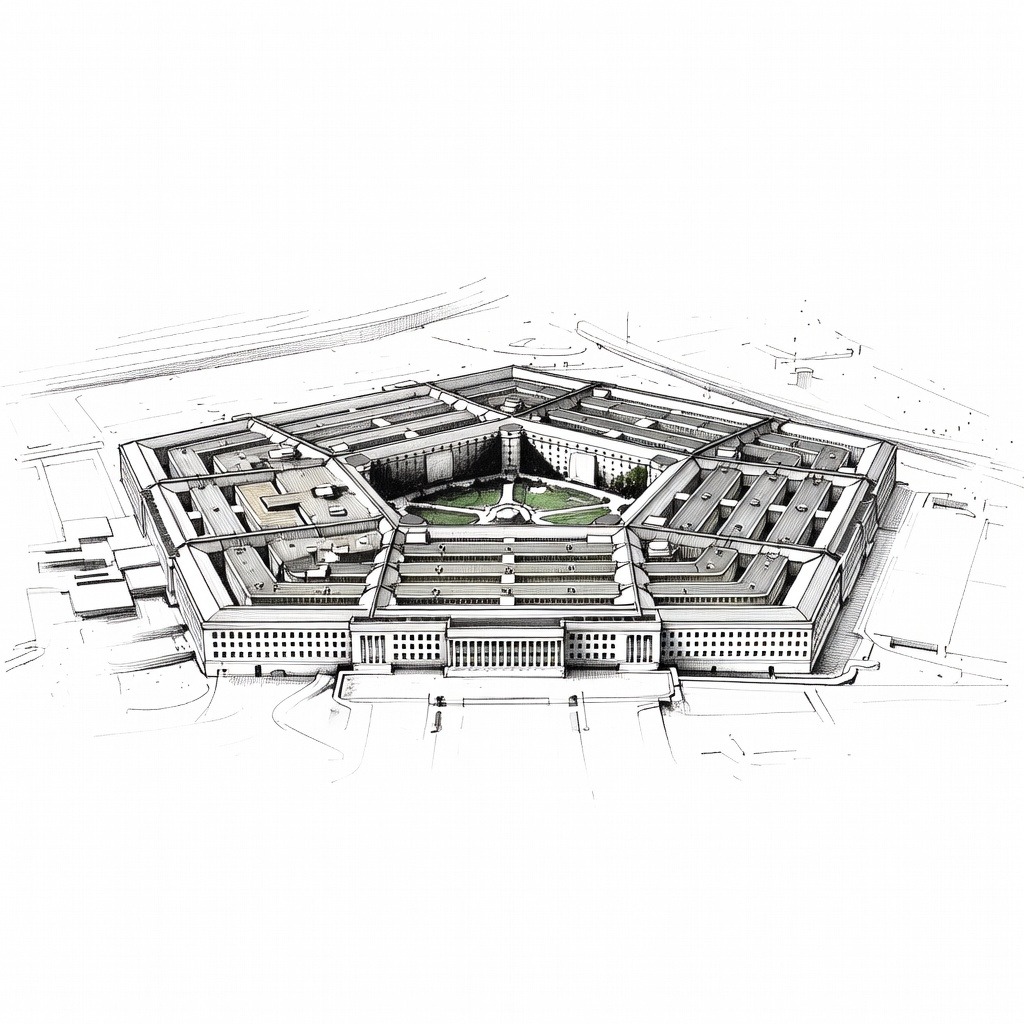
• Erosion of Non-Partisan Guardrails Government accountability demands a military leadership apparatus strictly insulated from abrupt partisan purges. By forcing General Randy George to retire three years into a standard four-year term, Defense Secretary Hegseth bypasses the established, apolitical timeline of military appointments. The Left views this premature termination as a dangerous subversion of institutional neutrality, warning that treating Senate-confirmed, fixed-term military postings as at-will political roles transforms the armed forces into a partisan instrument.
• Subjugation Through Patronage Appointments A commitment to civil liberties and democratic checks relies on a meritocratic command structure rather than consolidated executive loyalty. Replacing General George with General Christopher LaNeve—specifically noted as Hegseth’s former military aide and explicitly chosen to "implement the administration's goals"—signals a shift toward cronyism. To this camp, elevating a loyalist circumvents traditional congressional oversight and undermines the military’s foundational duty to the Constitution over the immediate demands of any single politician.
• Decimation of Institutional Memory The systematic removal of over a dozen top officials, including the Chairman of the Joint Chiefs and the Chief of Naval Operations, poses a severe threat to operational stability and national accountability. Discarding veterans with decades of combat experience in the Gulf, Iraq, and Afghanistan merely for their historical ties to the prior administration—such as George's previous work with former Secretary Lloyd Austin—recklessly hollows out the Pentagon. The Left fears this sweeping purge prioritizes ideological conformity over the strategic expertise required to safely manage the global military apparatus.
How it may affect me
As a U.S. reader:
• In the short term, the immediate replacement of over a dozen top military commanders may impact national security and operational stability as the armed forces adjust to a rapidly changing chain of command.
• Over the long term, the early dismissal of fixed-term, Senate-confirmed generals could alter the U.S. military's structural role, shifting it from an insulated, apolitical institution to one that directly mirrors the political mandates of the sitting executive branch.
• Citizens may observe shifts in how the military manages global defense strategies, as the departure of veterans with decades of historical combat experience could result in either a loss of necessary strategic expertise or the development of a more agile, administration-aligned fighting force.