
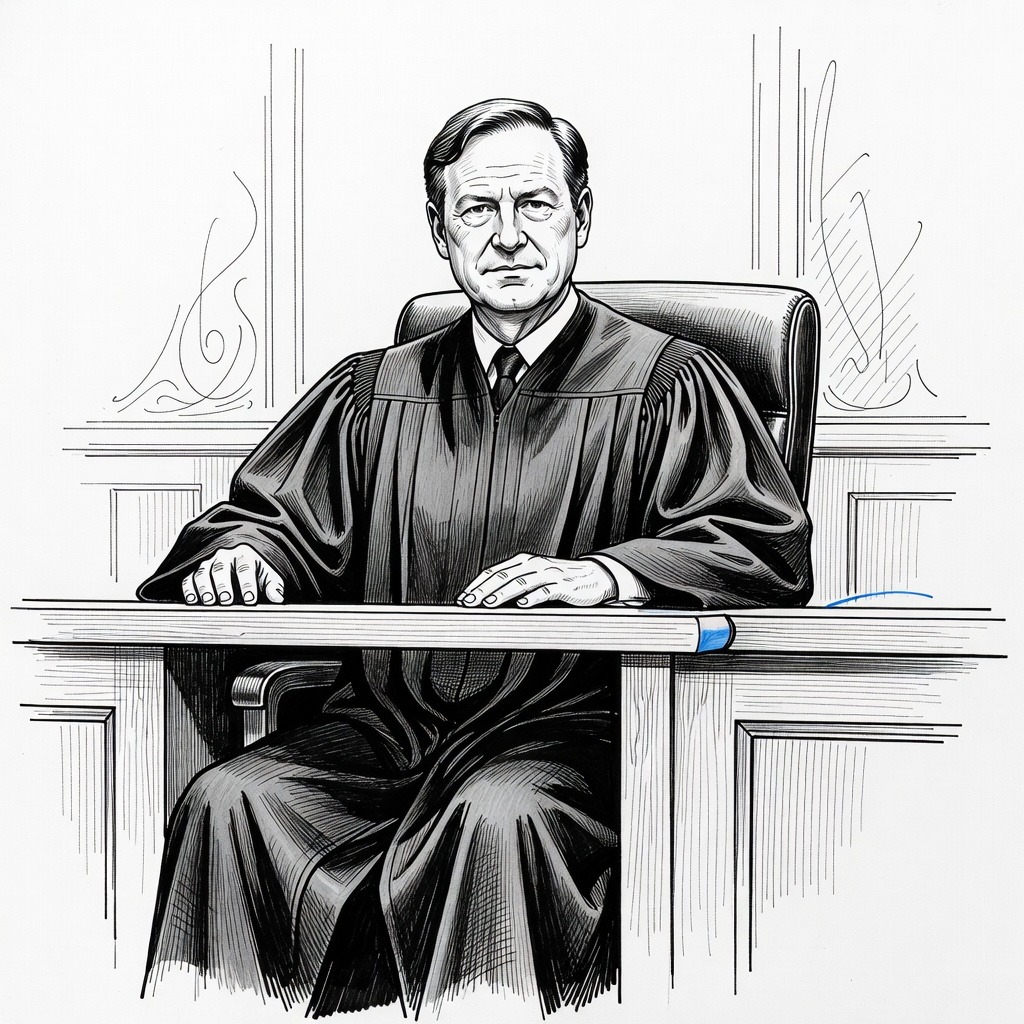
• Exposing Structural System Fragility Lifetime appointments mean that sweeping policies and civil liberties often hinge on the biological realities of a 76-year-old jurist. The sudden need for hospital evaluation due to fatigue and lightheadedness illustrates the precarious nature of an aging, unaccountable judiciary. For reformers, this minor health scare serves as a stark reminder of the democratic deficit inherent in a system where structural power is inextricably linked to the physical vulnerability of unelected officials.
• Spotlighting Entrenched Ideological Networks The specific setting of the health incident—a Federalist Society dinner in Philadelphia—underscores the deep, ongoing coordination between conservative justices and powerful outside advocacy groups. Missing the scheduled keynote address inadvertently draws public attention to these highly insulated political pipelines. Reformers view these gatherings as evidence of an entrenched institutional status quo that threatens objective judicial impartiality and limits broader social progress.
• Demanding Strict Institutional Oversight Reliance on internal court spokespersons and unnamed sources to confirm Alito’s recovery triggers intense skepticism regarding judicial transparency. Because the justice was treated for dehydration and immediately shielded by his security detail and personal physician, reformers worry about the tight control of information surrounding his fitness. They view this opacity as an institutional defense mechanism designed to obscure vulnerabilities and maintain a grip on power without adequate public accountability.
How it may affect me
As a U.S. reader:
• This minor health incident is not expected to have any significant impact on the general public, as the justice was quickly treated for temporary dehydration and immediately resumed his standard judicial duties without disrupting Supreme Court operations or pending legal decisions.