
• Masking Deep Labor Fragility The headline gain of 178,000 jobs obscures a deeply volatile labor market characterized by systemic worker dissatisfaction. Relying on a three-month average of just 68,000 jobs reveals a stagnant broader trajectory, heavily skewed by the recovery from February's severe 133,000 job deficit. Furthermore, the fact that health care strikes contributed to previous losses indicates that the current employment rebound is built on unresolved labor disputes rather than sustainable, equitable growth.
• Taxing the Working Consumer Spiking energy costs function as an immediate, regressive tax on the working class that top-line unemployment figures fail to capture. With domestic gasoline surging past $4 per gallon and crude oil exceeding $100 per barrel due to the ongoing military conflict, everyday consumers are absorbing the devastating financial shock of overseas engagements. This sharp reduction in disposable income threatens to crater consumer spending and accelerate a broader recession, disproportionately punishing vulnerable families who cannot absorb the inflation.
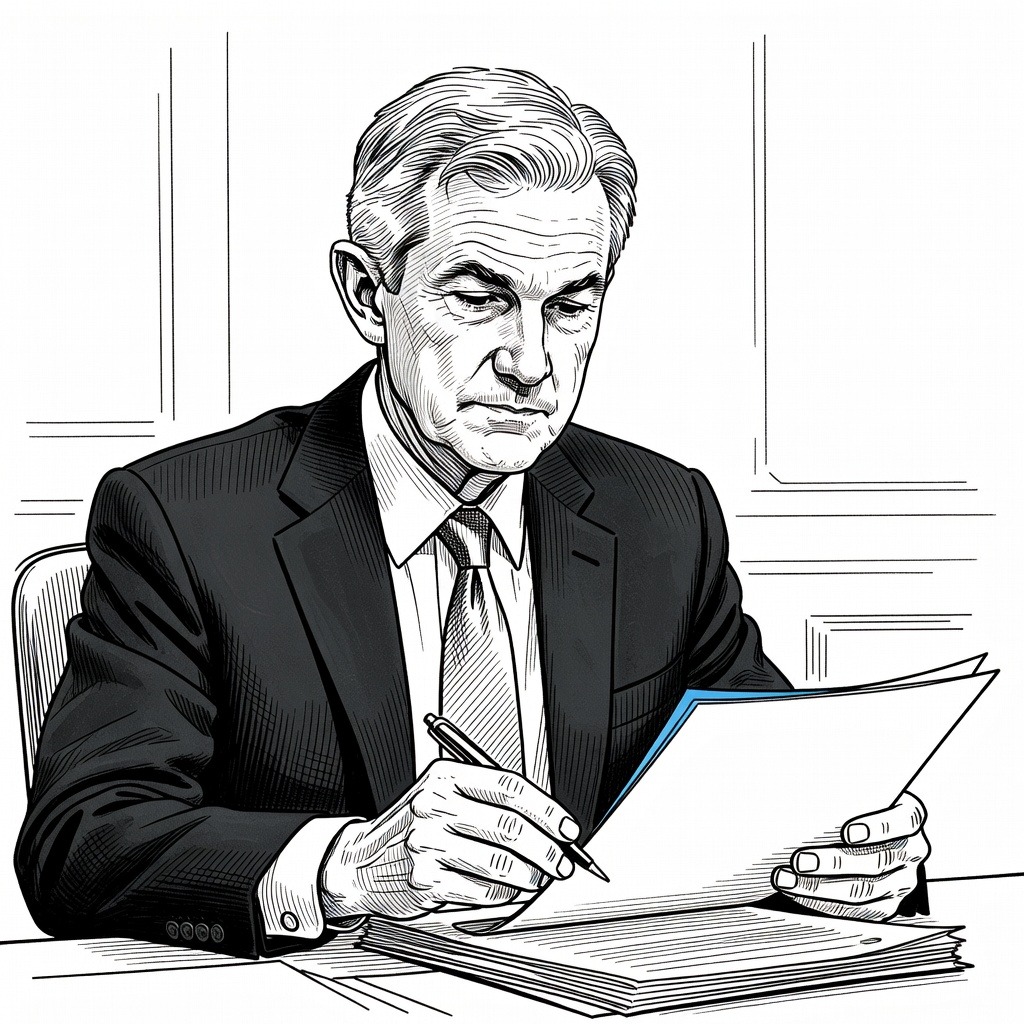
• Retreating from Public Welfare Federal institutions are abandoning their protective duties exactly when economic headwinds are accelerating. The targeted elimination of 18,000 federal government jobs signals a harmful embrace of austerity, stripping away stable public sector employment during a period of deep geopolitical uncertainty. Simultaneously, Federal Reserve Chair Jerome Powell’s decision to merely maintain current interest rates while passively observing the Middle East conflict leaves workers entirely exposed to unchecked, profit-driven price hikes at the pump.
How it may affect me
As a U.S. reader:
• In the short term, job seekers may find increased employment opportunities in the private sector, particularly in health care, while facing fewer prospects in federal government roles due to recent workforce reductions.
• Consumers are experiencing immediate increases in daily transportation costs, with domestic gasoline prices rising above $4 per gallon, resulting in a direct reduction of household disposable income.
• Over the long term, if overseas military conflicts continue to inflate energy costs, the public could face a broader economic recession characterized by a slowdown in domestic hiring and restricted consumer spending.
• Individuals and businesses relying on loans or credit will see no immediate changes to their borrowing costs, as the Federal Reserve plans to hold interest rates steady rather than tightening financial policy in response to the current energy price spikes.