
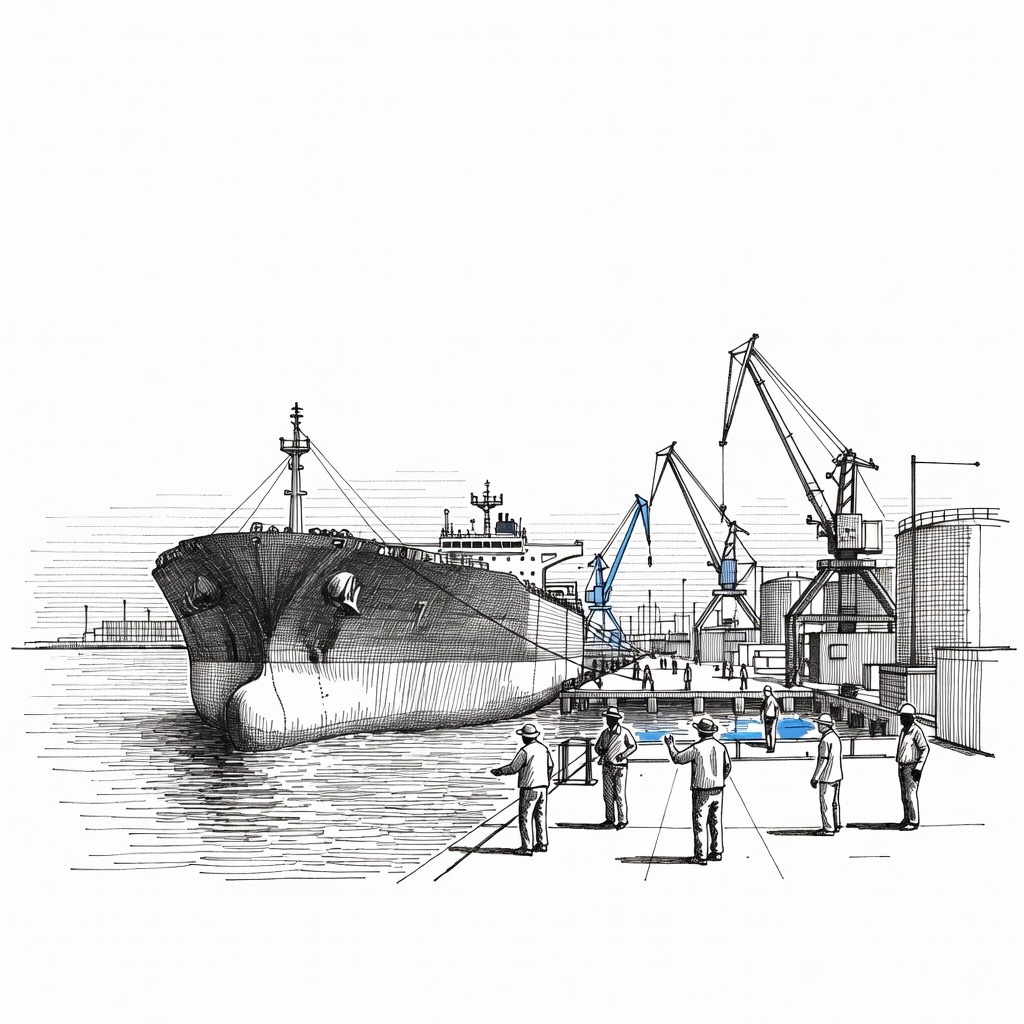
• Shield Vulnerable Civilian Populations Protecting human lives must supersede geopolitical maneuvering. The historically severe living conditions in Cuba are a direct consequence of a punitive U.S. blockade that disproportionately starves civilians of basic necessities. Permitting the Russian oil tanker to dock is recognized as a necessary emergency lifeline, but framing a single shipment as a "humanitarian gesture" only highlights the broader, systemic cruelty of maintaining the overarching embargo.
• Expose Hollow Diplomatic Theater Meaningful diplomatic progress requires good-faith negotiations rather than the use of existential threats. The credibility of ongoing bilateral talks is fundamentally undermined by President Trump's aggressive rhetoric about military intervention to "take or free" the nation. Leveraging the threat of force and exploring criminal charges in Miami while demanding systemic domestic changes guarantees that Cuban leadership, including President Díaz-Canel, will view the U.S. as an unreliable, coercive partner.
• Catalyze Unintended Geopolitical Blowback Maximum pressure campaigns frequently isolate the aggressor, harm the populace, and empower rival states. By maintaining rigid demands for regime change, the U.S. closes avenues for organic domestic evolution—such as Cuba's new policy allowing expatriate investment—and forces the island to seek survival lifelines from adversarial powers. Russian Energy Minister Sergey Tsivilyov's pledge to send an additional tanker illustrates how rigid U.S. blockades actively invite competing superpowers to deepen their foothold in the region.
How it may affect me
As a U.S. reader:
• Cuban nationals currently residing in the United States have a new, immediate financial opportunity to invest directly in businesses on the island due to Cuba's recent policy change.
• In the long term, the continuation of the U.S. blockade and Cuba's need for foreign resources could lead to an increased Russian strategic presence just ninety miles from U.S. shores, potentially altering national security dynamics.
• Statements from U.S. leadership regarding potential intervention and the Cuban military's preparations for aggression raise the long-term risk of regional armed conflict, which could eventually involve U.S. military personnel.
• Short-term legal and diplomatic disruptions may arise domestically if the federal prosecutor in Miami officially indicts Cuban Communist Party leadership for alleged drug, economic, and violent offenses.