
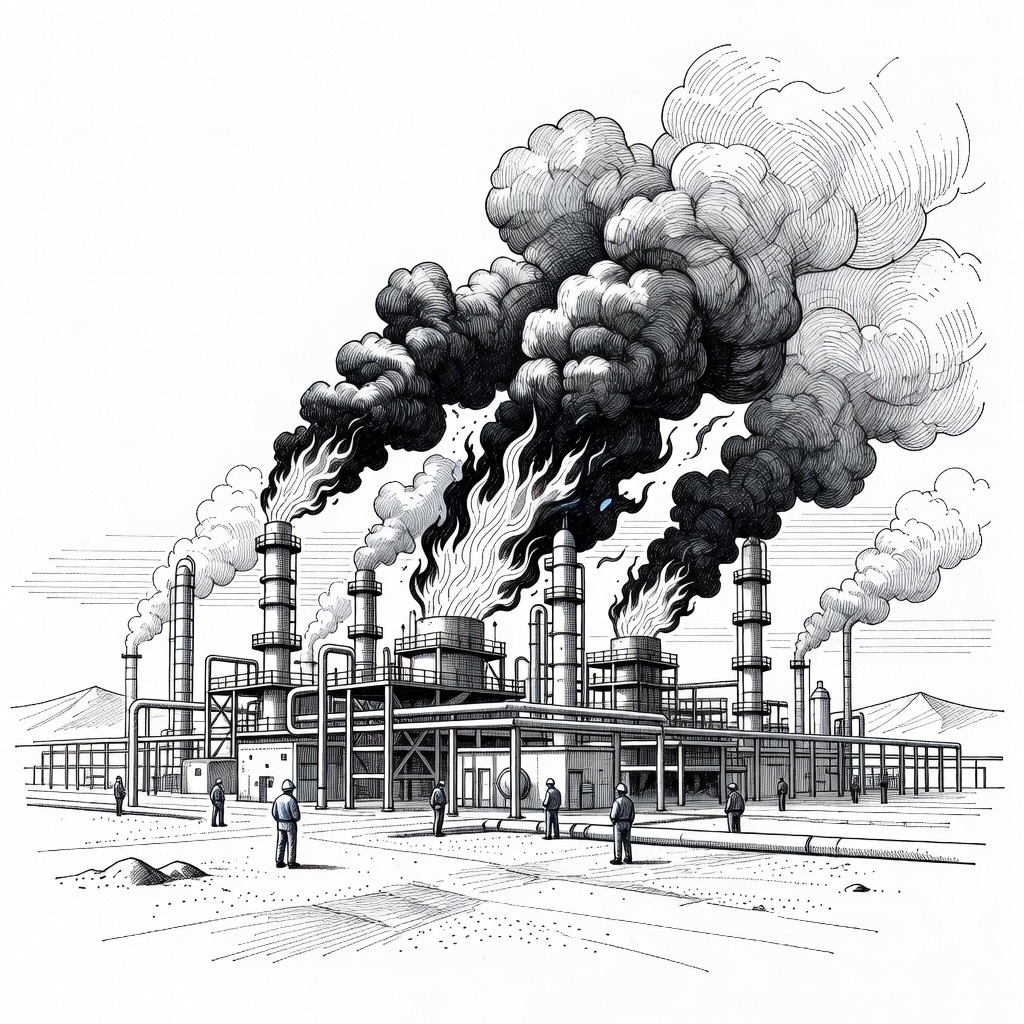
• Shielding Foundational International Law This camp prioritizes adherence to international legal norms and the protection of civilian life over tactical coercion. Viewing the threat to destroy Iranian power and water facilities as a profound violation, this perspective anchors its logic in the warning from over one hundred legal experts regarding war crimes. To the Humanitarian, destroying civilian life-support systems—such as the B1 bridge strike that resulted in eight deaths—crosses the line from military necessity to collective punishment, ultimately degrading the moral authority of the nations executing the strikes.
• Rejecting Kinetic Escalation Spirals This framework prioritizes diplomatic off-ramps, viewing military force as an accelerant to wider regional chaos rather than a stabilizing tool. The retaliatory aerial attacks on the Habshan gas plant and the Al-Ahmadi refinery validate fears that aggressive deterrence strategies provoke asymmetrical blowback. Instead of securing the region, the Humanitarian argues that the current military campaign has crashed commercial shipping through the Strait of Hormuz by 90 percent, proving that escalating force inherently destabilizes the global commons it claims to protect.
• Prioritizing Multilateral Diplomatic Consensus This lens values international cooperation and views unilateral or narrowly allied military action as a strategic liability. The refusal of permanent UN Security Council members, including France, to authorize Bahrain’s defensive force measure underscores a fracturing of global support for a militarized approach. This camp interprets the disputed ceasefire narratives and blocked UN resolutions not as a failure of the international community, but as a direct consequence of an overly aggressive posture that alienates necessary diplomatic partners and forecloses peaceful resolutions.
How it may affect me
As a U.S. reader:
• In the short term, you may experience higher domestic energy prices due to direct attacks on Gulf energy facilities and a 90 percent reduction in shipping traffic through the Strait of Hormuz, which threatens the flow of global oil and gas.
• Over the long term, the severe disruption of commercial shipping and maritime trade networks could lead to supply chain delays and increased consumer costs for various imported goods.
• You can expect sustained U.S. military involvement, risk to service members, and resource allocation in the Middle East, as the administration has committed to continuing the campaign of airstrikes for several weeks.
• In the long term, you might see shifts in U.S. global standing and diplomatic partnerships, given that legal experts are warning that U.S. targeting strategies could constitute war crimes and allies like France are opposing related UN Security Council measures.