
• Fueling the Escalation Spiral Valuing diplomatic off-ramps over perpetual conflict, this framework views the continuation of U.S. strikes—despite President Trump stating military objectives are largely met—as a dangerous overreach. Threatening Iranian energy and oil infrastructure shifts the conflict from tactical engagement to massive economic devastation, which virtually guarantees harsh retaliation. By signaling weeks of continued bombing, the administration is locking the region into a retaliatory cycle rather than actively pursuing de-escalation.
• Uncontrolled Regional Spillover Prioritizing the safety of civilians and non-combatants, this camp views the widespread chaos as proof that military-first strategies consistently fail to contain threats. The kidnapping of American journalist Shelly Kittleson by the Iran-backed Kata'ib Hezbollah and the U.S. Embassy’s evacuation orders illustrate the severe collateral damage of unchecked aggression. Pushing military operations deeper into Lebanon and Iraq only multiplies the danger for innocent lives, sovereign neighbors, and independent observers.
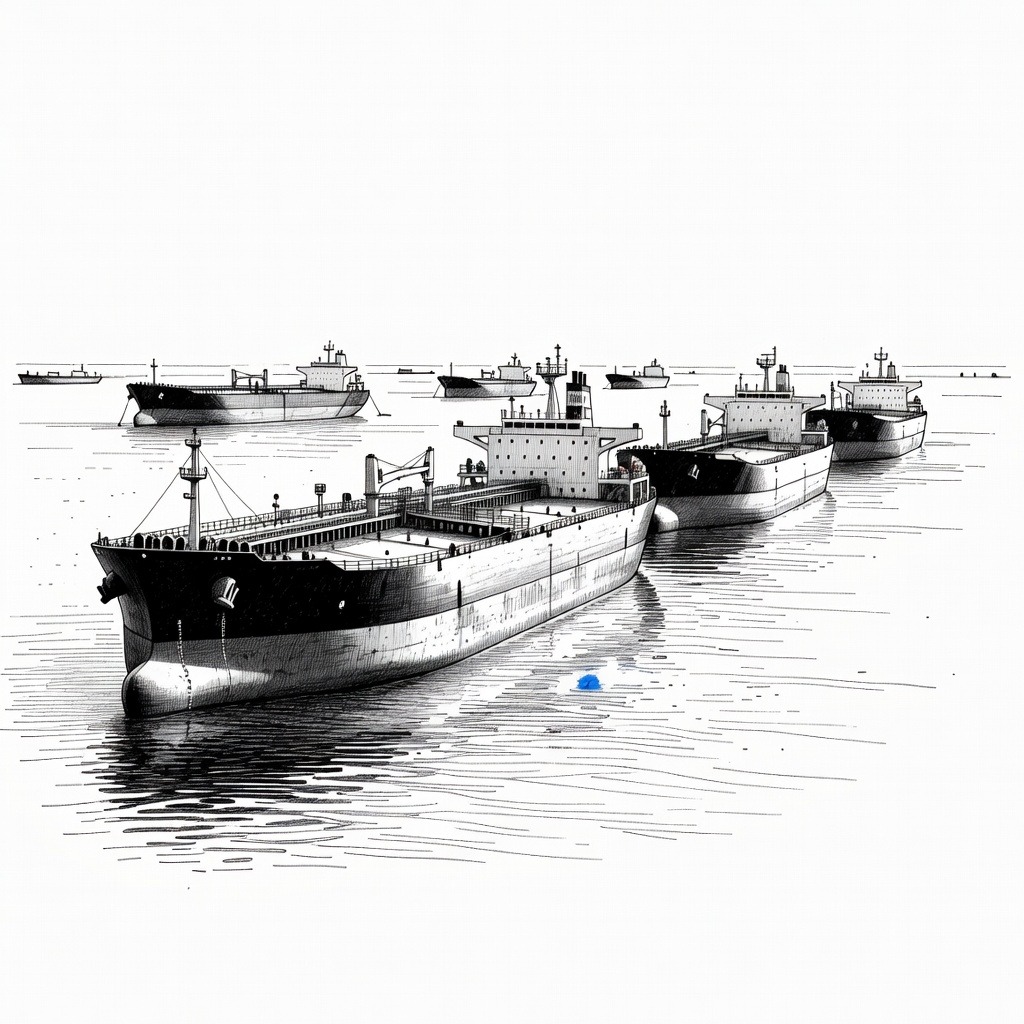
• Catalyzing Global Economic Harm Focused on the interconnectedness of human prosperity, this perspective interprets the paralysis of the Strait of Hormuz as a predictable consequence of aggressive, hard-power posturing. As Iran and its proxies launch attacks across the Persian Gulf, the resulting fluctuations in global oil prices disproportionately harm everyday consumers worldwide. The reliance on kinetic force and the threat to regional energy grids is ultimately destabilizing the very international trade routes allied nations rely upon to survive.
How it may affect me
As a U.S. reader:
• In the short term, you may experience higher prices for fuel and consumer goods because the disruption of commercial traffic through the Strait of Hormuz and threats to Iranian energy infrastructure are causing fluctuations in global oil markets.
• If you or your family members are traveling to or living in the Middle East, specifically Iraq, you face immediate safety risks and are advised by the U.S. Embassy to evacuate due to regional militia threats and the recent kidnapping of an American citizen.
• In the long term, you can expect an ongoing commitment of U.S. military resources and personnel to the region, as the administration has announced weeks of continued strikes to degrade hostile financial networks and manage subsequent retaliatory attacks.