
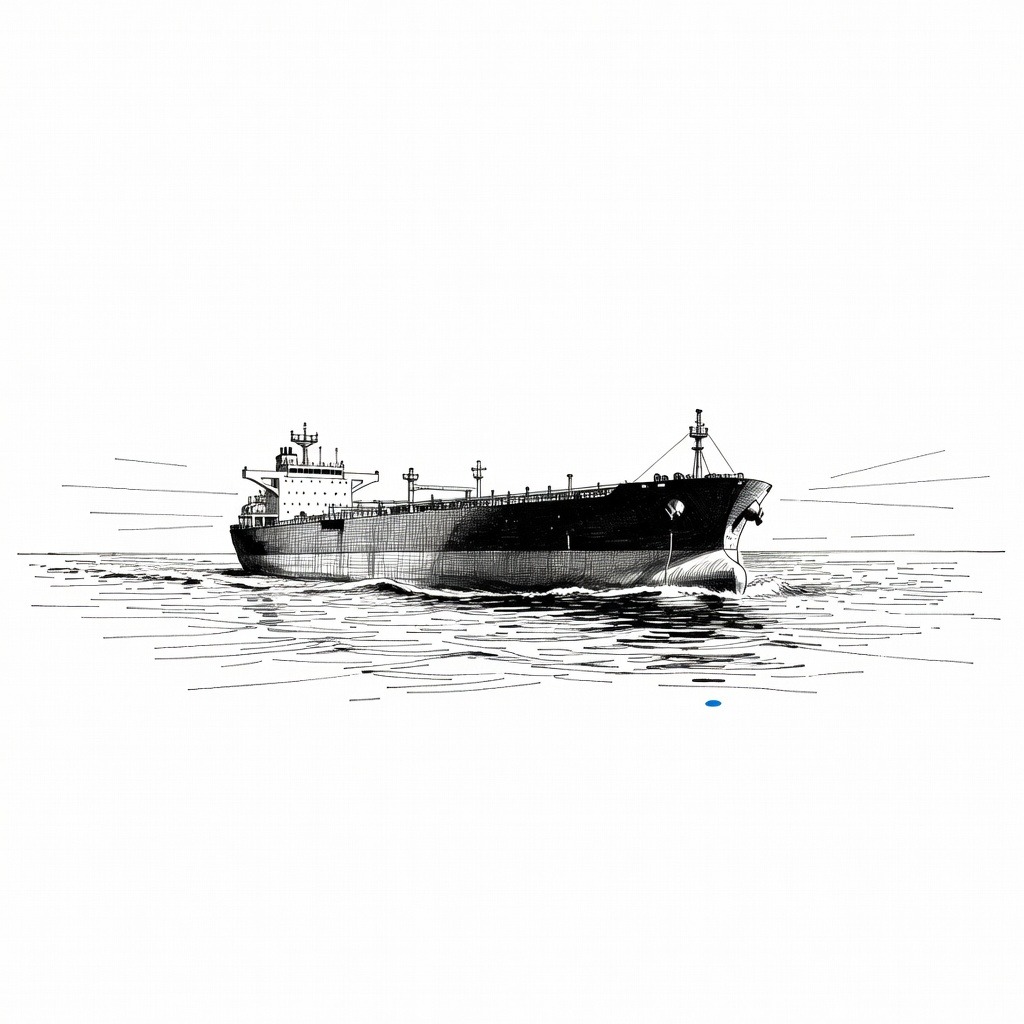
• Shielding Against Extractive Volatility Unregulated suppliers often exploit geopolitical volatility to artificially inflate margins at the expense of everyday consumers. Germany’s decision to limit gas stations to a single noon price increase, backed by a 100,000-euro fine, represents a necessary defense against opportunistic corporate profiteering. By instituting strict market regulations and price caps, governments can prevent systemic shocks at the Strait of Hormuz from being weaponized against working-class citizens who require fuel for basic mobility.
• Neutralizing Regressive Geopolitical Costs The sudden financial fallout of international military action functions as a regressive shadow tax that disproportionately harms vulnerable households. With U.S. drivers absorbing an unexpected $8.4 billion hit since February 28, relying strictly on unmanaged market forces unfairly forces ordinary commuters to finance the macroeconomic friction of "Operation Epic Fury." Coordinated state interventions, such as the IEA releasing 400 million barrels of emergency stockpiles, are vital policy instruments for socializing this burden and stabilizing baseline living standards.
• Protecting Core Aggregate Demand Broad economic prosperity relies entirely on the sustaining power of robust consumer purchasing power. As essential gasoline costs soar past $4 per gallon, consumers are forced to drastically scale back on non-essential purchases, starving the broader economy of its foundational revenue. If rising transportation costs continue to hollow out disposable income, defensive corporate maneuvers like Unilever's hiring freeze will inevitably metastasize into widespread job stagnation and severe economic contraction.
How it may affect me
As a U.S. reader:
• American drivers are facing an immediate rise in daily commuting expenses, with the national gasoline average exceeding $4 per gallon and collectively costing consumers billions of extra dollars.
• Households are experiencing decreased disposable income, forcing individuals to scale back on non-essential purchases to compensate for higher fuel costs.
• In the short term, the public may see some price relief at the pump from the international release of 400 million barrels of emergency oil, though this risks leaving the country exposed to future price shocks if the military disruption is not temporary.
• Over the long term, Americans could face a slowing labor market and stunted job growth, as rising transportation and input expenses prompt businesses to implement hiring freezes to manage their capital.