
• Shielding Bedrock Constitutional Equality The Left views the 14th Amendment as the definitive safeguard for systemic equality and immigrant protection. By championing ACLU Legal Director Cecilia Wang’s argument for a fixed constitutional rule granting citizenship to anyone born on U.S. soil, this camp rejects attempts to rewrite established civil rights via executive mandate. They see the administration's order not merely as an immigration policy, but as a dangerous assault on the foundational guarantee of equal protection under the law regardless of parental status.
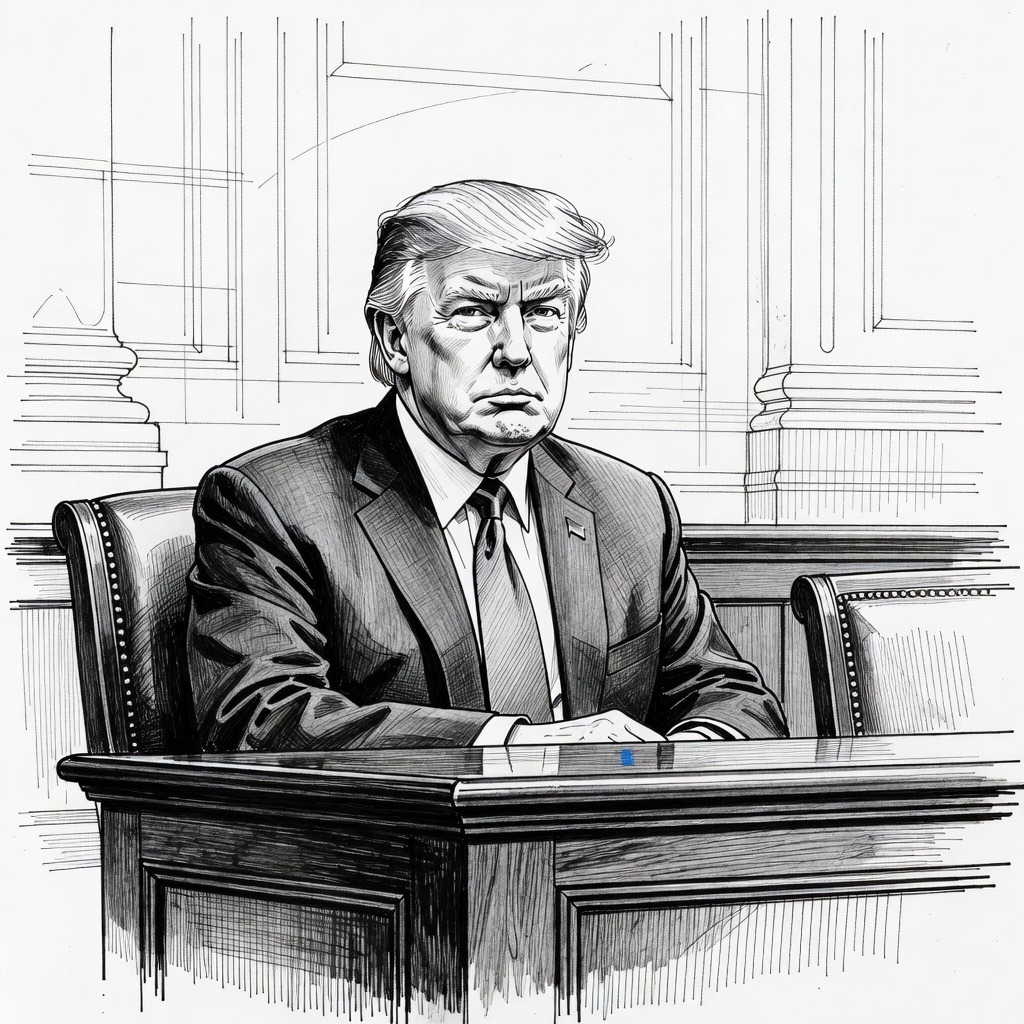
• Checking Unprecedented Executive Theatrics Maintaining strict boundaries between the branches of government is critical for democratic accountability and preventing authoritarian overreach. Reformers interpret President Trump’s historic, silent presence at the proceedings—and his abrupt departure just as Wang began her defense—as a deliberate attempt to project political intimidation into the judicial sphere. The skepticism from Chief Justice John Roberts and the majority is validated here as a necessary, functional check by the courts against executive grandstanding.
• Preventing Manufactured Systemic Chaos A primary fear for civil libertarians is the creation of a permanent, disenfranchised underclass through bureaucratic fiat. They latch onto the justices' skepticism regarding how an order ending automatic birthright citizenship for undocumented immigrants and temporary residents could be practically enforced. From this perspective, implementing such a mandate would trigger mass systemic chaos, stripping fundamental rights from millions and turning a functional constitutional guarantee into an arbitrary weapon of state exclusion.
How it may affect me
As a U.S. reader:
• In the short term, current birthright citizenship practices remain unchanged because lower courts have blocked the executive order, and the public will need to wait until late June for the Supreme Court's definitive ruling.
• If the Supreme Court ultimately upholds the administration's position in the long term, children born in the United States to temporary foreign residents or undocumented immigrants may no longer be granted automatic U.S. citizenship.
• Implementing an end to automatic birthright citizenship would introduce new administrative requirements, as the government would need to practically enforce the policy by verifying the legal status and jurisdiction of parents before granting citizenship to newborns.
• Depending on the ruling and its enforcement, the decision will either fundamentally alter the immigration framework by closing what some view as an exploitable loophole, or it will create systemic bureaucratic disruptions and establish a permanent, disenfranchised population without standard constitutional protections.