
• Check Unaccountable State Force The Senate’s decision to exclude funding for ICE and parts of CBP operates as a necessary assertion of legislative oversight over federal law enforcement. Following the January incident where federal agents killed two people in Minneapolis, progressive logic demands that structural accountability precede automatic budget renewals. Withholding capital from agencies involved in domestic fatalities acts as a direct challenge to the institutional status quo, prioritizing civil liberties over blanket enforcement mandates.
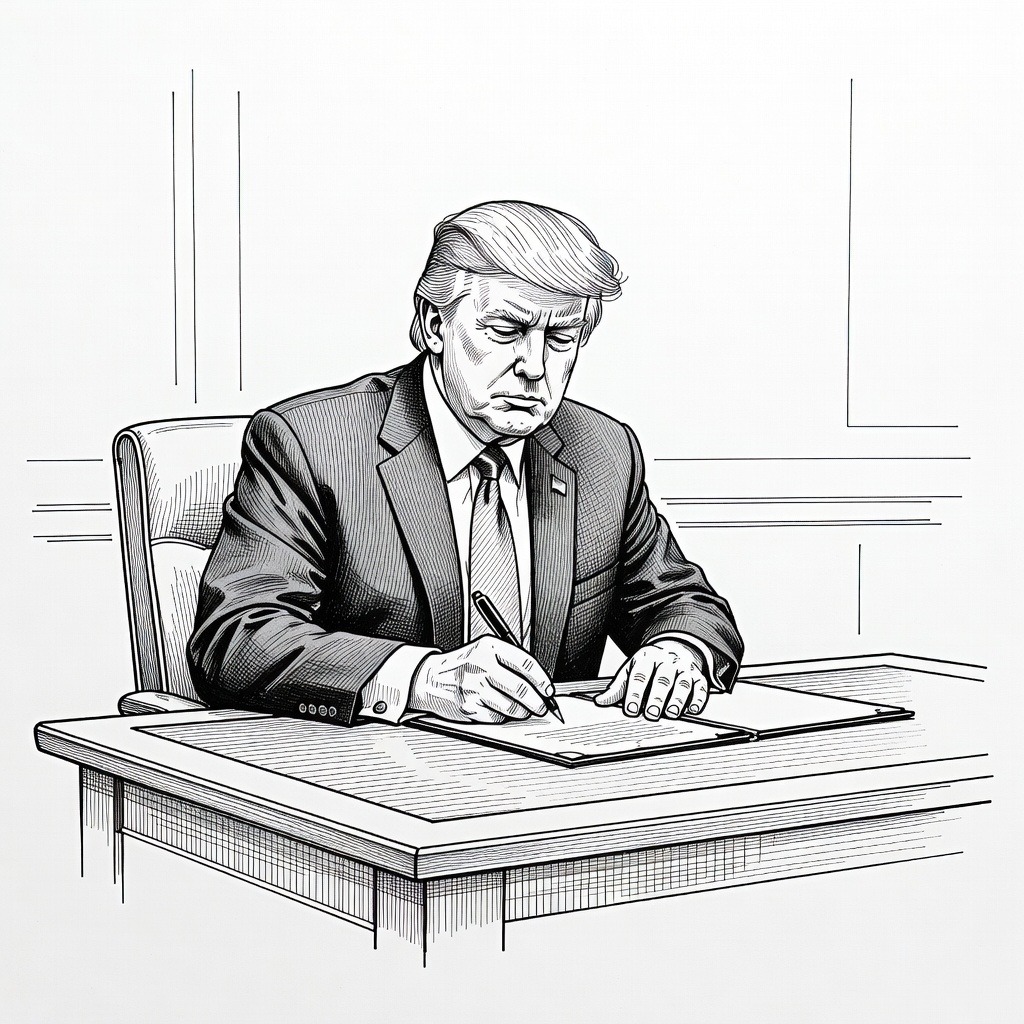
• Reject Arbitrary Executive Band-Aids President Trump’s executive order securing back pay for 50,000 airport security officers is viewed as a fragmented, politically motivated circumvention of congressional authority. By selectively alleviating the financial strain of workers who directly impact consumer convenience, the administration neglects tens of thousands of unfunded personnel in FEMA, CISA, and the Coast Guard. Deploying ICE agents to manage airport lines further distorts statutory agency boundaries, improperly utilizing enforcement personnel to mask systemic legislative failures.
• Expose Elite Institutional Hypocrisy The juxtaposition of Congress taking a two-week recess with ongoing pay while federal workers suffer highlights a profound disconnect between entrenched power and working-class realities. Representative Garcia’s targeting of House Speaker Mike Johnson underscores a belief that conservative leadership is weaponizing the livelihoods of public servants to force compliance on border policies. The spectacle of lawmakers attending social events during the funding lapse reinforces the reformer critique of systemic elitism, demanding consequences for leaders who shield themselves from the shutdown's harm.
How it may affect me
As a U.S. reader:
• Travelers navigating major airports may experience short-term stabilization in security lines due to recent back pay and the reassignment of immigration agents, though the prior resignation of over 500 officers could still cause residual delays.
• The capacity of the federal government to respond to natural disasters or maritime crises may be weakened in the short and long term, as emergency management and Coast Guard personnel continue to work without pay or remain furloughed.
• Domestic cybersecurity protections for critical infrastructure could face ongoing vulnerabilities while federal cybersecurity employees are unfunded or absent from their posts.
• Standard border enforcement operations may be temporarily reduced or altered due to the reassignment of immigration personnel to airport screening duties and the potential legislative defunding of certain border agencies.