
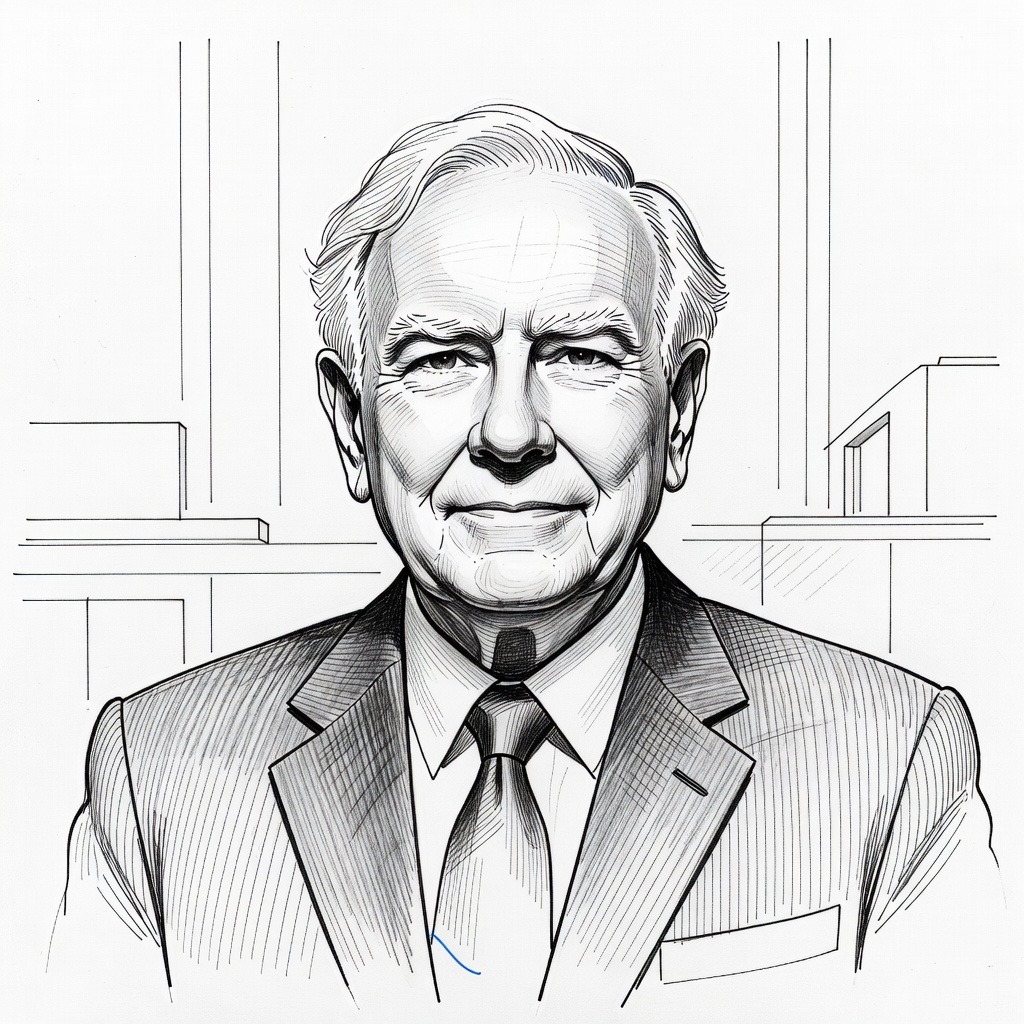
• Capital Extraction Over Circulation The hoarding of over $370 billion in cash equivalents and the funneling of $17 billion into Treasury bills exemplifies the inefficiency of extreme corporate wealth consolidation. By declaring that current markets offer no major buying opportunities, Berkshire Hathaway effectively sidelines massive reserves of capital that could otherwise circulate through the real economy. This dynamic reveals how hyper-consolidated wealth functions as an extractive mechanism, parking assets in risk-free government debt rather than deploying them toward broad-based productive enterprise or societal investment.
• Rewarding Extraction Over Innovation Buffett’s praise of Tim Cook’s management style over Steve Jobs reflects a systemic investor preference for profit maximization over actual technological advancement. Maintaining a $61.96 billion anchor stake in Apple relies heavily on the tech giant's ability to optimize margins and fortify its consumer ecosystem rather than disrupt the status quo. This financial logic exposes a market ecosystem that disproportionately rewards executives who optimize supply chains to extract consumer wealth, ultimately reinforcing monopolistic dominance at the expense of equitable competition.
• Unaccountable Concentration Of Power The ability of a 95-year-old executive to dictate global market currents highlights the democratic deficit inherent in modern financial oligopoly. While reviving charity lunches with Stephen Curry and belatedly severing ties with Bill Gates over the Epstein files generates positive public sentiment, these gestures mask the unchecked nature of billionaire influence. The reality that a single individual’s delayed 2026 transition is treated as a macroeconomic event underscores the profound systemic fragility created when sovereign-level wealth is controlled by unaccountable, unelected actors.
How it may affect me
As a U.S. reader:
• Berkshire Hathaway holding over $370 billion in cash and Treasury bills means massive amounts of capital are withheld from the productive economy in the short term, though these reserves could provide stabilizing liquidity during future market downturns.
• Strong institutional backing for Apple's current management style signals a long-term market trend where technology companies are rewarded for scaling existing consumer ecosystems and optimizing profit margins rather than pursuing unpredictable, disruptive innovations.
• The clearly defined 2026 corporate succession plan and cautious trading strategies are designed to protect widespread stakeholder investments, which may help prevent sudden macroeconomic volatility and maintain long-term stability in the broader financial markets.