
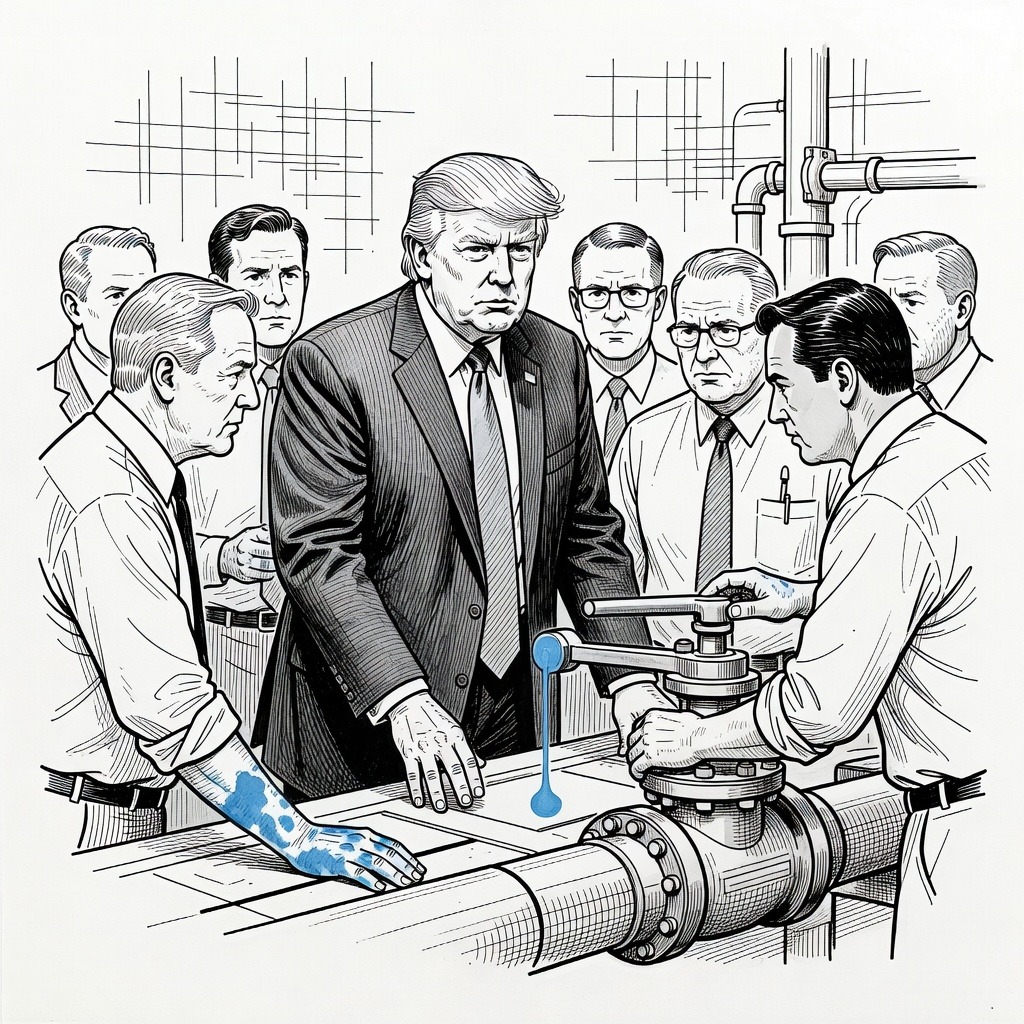
• Shielding the Vulnerable Consumer The 30 percent surge in gasoline to over $4 per gallon and diesel surpassing $5 acts as a highly regressive financial shock to the working class. This perspective views the ensuing domestic inflation and elevated transportation costs as a systemic failure tied to an over-reliance on volatile global fossil fuel markets. Rather than an unavoidable crisis, this economic pain is interpreted as the predictable result of geopolitical brinkmanship that consistently punishes everyday citizens and exacerbates wealth inequality.
• Condemning Reckless Military Escalation Prioritizing diplomatic de-escalation and international law, this camp views expanding U.S. special operations forces and threatening Iranian civilian infrastructure as dangerous and unethical. Such aggressive posturing is seen as actively undermining the upcoming peace negotiations in Pakistan while maximizing the potential humanitarian cost of the conflict. Military escalation is perceived here not as a stabilizing mechanism, but as a reckless accelerant that broadens regional instability and endangers non-combatants.
• Rejecting Opportunistic Environmental Rollbacks Relaxing domestic environmental restrictions and shipping regulations is heavily criticized as sacrificing long-term ecological health for negligible short-term economic relief. Because industry analysts explicitly state these domestic measures cannot meaningfully lower prices while the Strait of Hormuz remains closed, these policy shifts are viewed as highly cynical. This camp fears that executive emergency powers are being exploited by corporate interests to bypass and permanently erode essential environmental and labor protections under the guise of crisis management.
How it may affect me
As a U.S. reader:
• In the short term, you will pay more for personal transportation as nationwide gasoline averages have surged past four dollars per gallon.
• You can expect higher prices for everyday goods, as diesel fuel exceeding five dollars per gallon will increase domestic shipping and transportation costs.
• This sudden rise in fuel and consumer goods will act as a regressive financial shock, placing a disproportionate economic strain on working-class households.
• You may notice foreign vessels operating in domestic waters and potential changes to local ecological health due to the temporary suspension of domestic shipping and environmental regulations.
• In the long term, you can anticipate these inflated energy and consumer prices to decline and normalize only after the military conflict concludes and the Strait of Hormuz reopens.