
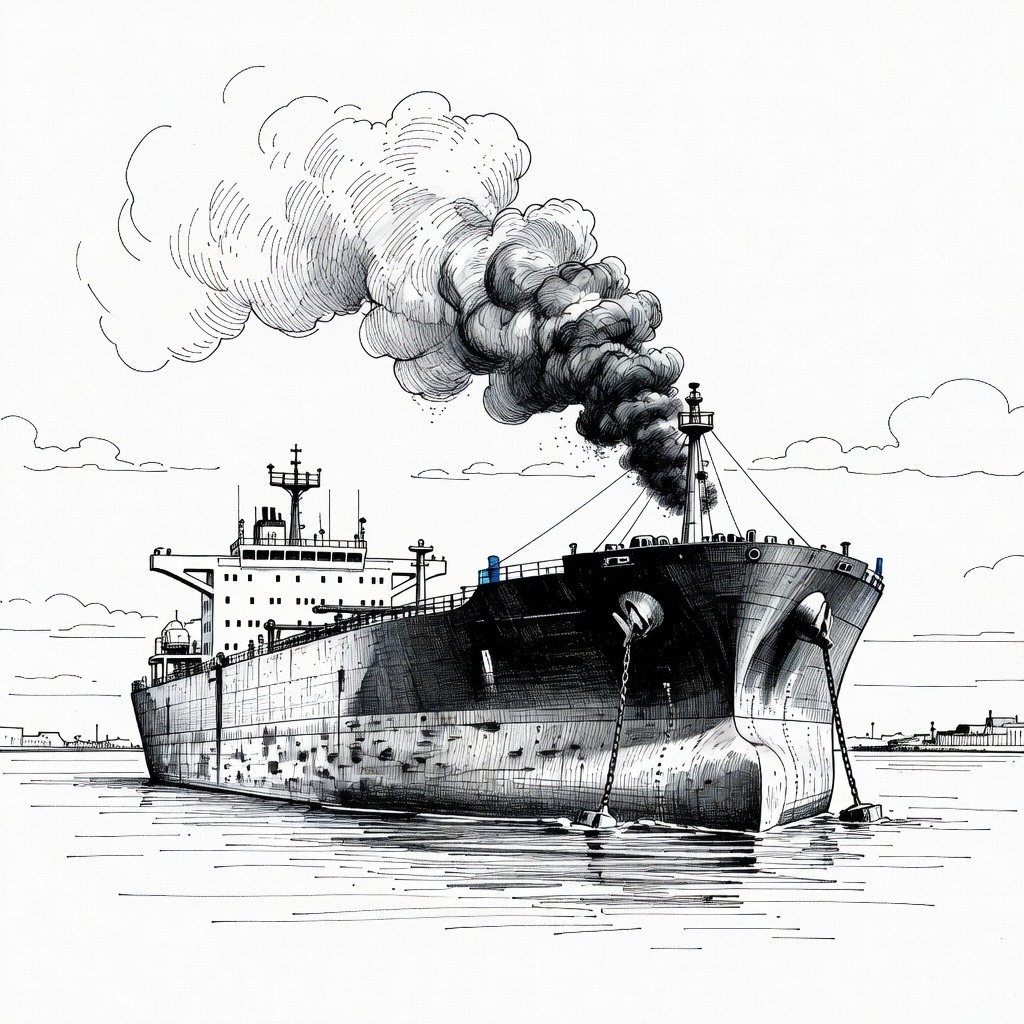
• Peril of Disproportionate Escalation Prioritizing international law and human life, this framework views the threat to strike Iranian civilian energy and water infrastructure as a dangerous violation of humanitarian norms. While the closure of the Strait of Hormuz is economically disruptive, destroying civilian necessities ensures massive collateral suffering without guaranteeing strategic capitulation. This approach risks transforming a regional geopolitical standoff into an uncontainable human catastrophe.
• Fracturing Crucial Diplomatic Alliances Valuing multilateral cooperation, this camp interprets the suspension of assistance to the UK and France over their refusal to participate militarily as a profound strategic failure. France's denial of airspace access signals that aggressive unilateral posturing is actively alienating traditional global partners. Retaliating against allies for exercising military restraint weakens the exact international coalition needed to achieve Defense Secretary Hegseth’s stated goal of a negotiated settlement.
• Blowback of Militarized Policy Viewing military-first strategies as inherently volatile, this perspective points to the surge in gas prices past $4 a gallon as the predictable domestic cost of foreign escalation. Relying on an eventual end to the war to lower prices forces American consumers to bear the immediate brunt of the ongoing hostilities and shipping disruptions. A focus on immediate de-escalation and diplomacy is seen as the only reliable mechanism to stabilize global energy markets and protect civilian wallets.
How it may affect me
As a U.S. reader:
• Short-term financial impacts are immediately visible at the gas pump, with average prices surging past $4 per gallon due to the closure of the Strait of Hormuz and regional shipping disruptions.
• Long-term relief for domestic fuel costs will depend on the resolution of the conflict, as prices are expected to decline only when military action or a negotiated deal successfully reopens the waterway.
• Prolonged market instability remains a risk if the United States follows through on warnings to strike Iranian civilian infrastructure, which could escalate the war and delay economic recovery.
• National security dynamics are shifting as the United States halts assistance to the United Kingdom and France, altering traditional alliances that are typically used to secure global trade routes.