
• Shielding Through Global Cooperation Prioritizing diplomatic de-escalation and international cooperation, this camp views the coordinated release of 400 million barrels of strategic reserves as a triumph of pragmatic statecraft. By working with partners to un-sanction in-transit crude and forge temporary agreements with Iran, officials are effectively mitigating a 12 million barrel-per-day deficit without firing a single shot. This approach frames non-military interventions and multilateral resource sharing as the most reliable shield for maintaining global economic stability.
• Cushioning the Civilian Fallout Anchored in a deep concern for the societal and humanitarian costs of conflict, this perspective highlights the downstream damage inflicted on everyday civilians and consumer markets. The operational strain on budget airlines like SpiceJet and Zipair Tokyo, alongside the threat of persistent inflation and Federal Reserve rate hikes fueled by $115 Brent crude, illustrates the immense collateral damage of geopolitical brinkmanship. Consequently, ending the Strait of Hormuz bottleneck through careful negotiation is viewed as an absolute economic and moral imperative to protect the vulnerable.
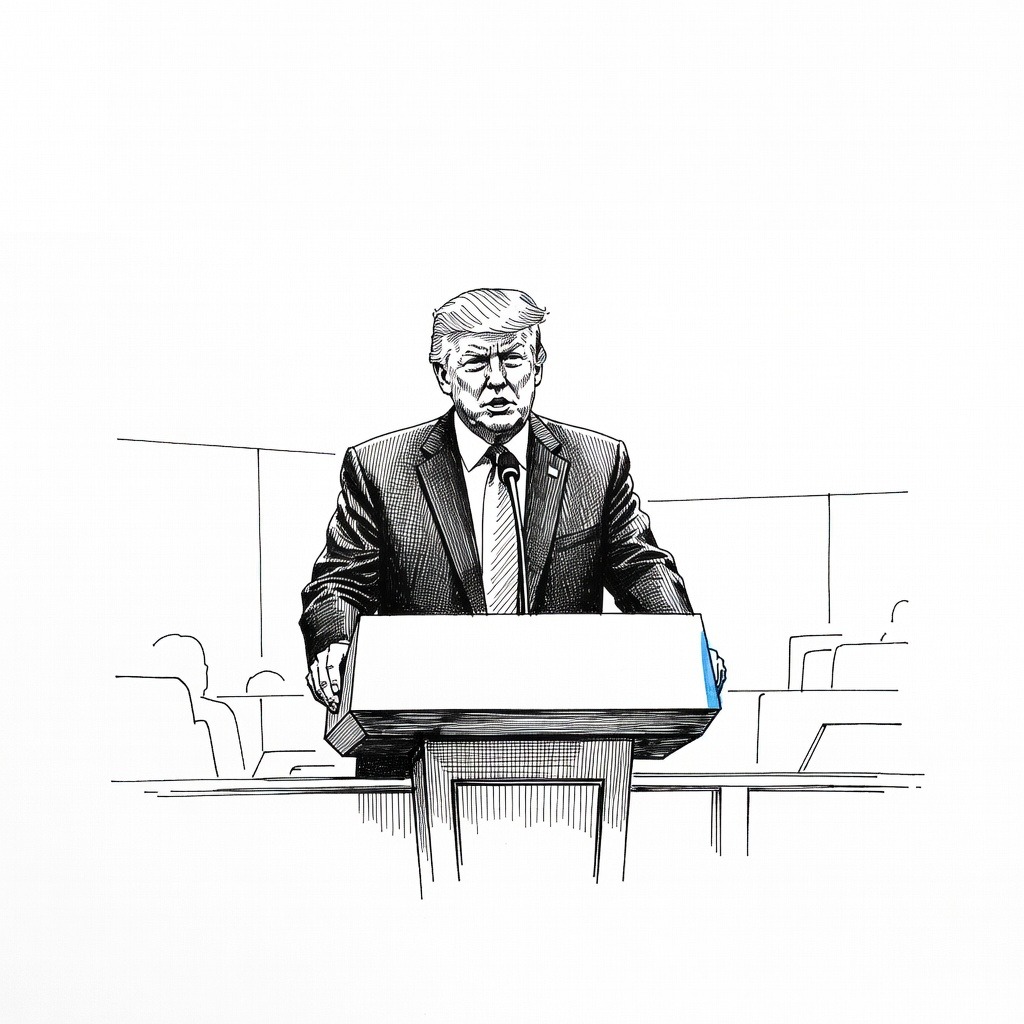
• Risking Catastrophe Through Escalation Viewing military force as a highly dangerous last resort, this camp approaches aggressive posturing with severe apprehension. President Trump’s explicit threat to target Iranian infrastructure is perceived as a volatile provocation that risks transforming a localized shipping disruption into a catastrophic regional war. While acknowledging the administration's note that negotiations are progressing, this framework warns that bellicose ultimatums fundamentally undermine diplomatic trust and threaten to shatter the fragile agreements currently keeping global energy flowing.
How it may affect me
As a U.S. reader:
• You may experience short-term stabilization in domestic fuel prices due to the release of 172 million barrels of oil from U.S. strategic reserves, though long-term costs remain tied to unresolved global supply deficits.
• Your personal borrowing costs could be affected, as economists indicate that sustained high oil prices may cause the Federal Reserve to maintain or increase interest rates to control inflation.
• You might face increased costs and reduced options for air travel, as airlines are actively raising ticket prices and eliminating routes to manage severe spikes in aviation fuel expenses.
• You could see the economic and societal impacts of increased U.S. military deployment in the long term, as the government considers utilizing naval escorts or conducting strikes on foreign infrastructure to secure international trade routes.