
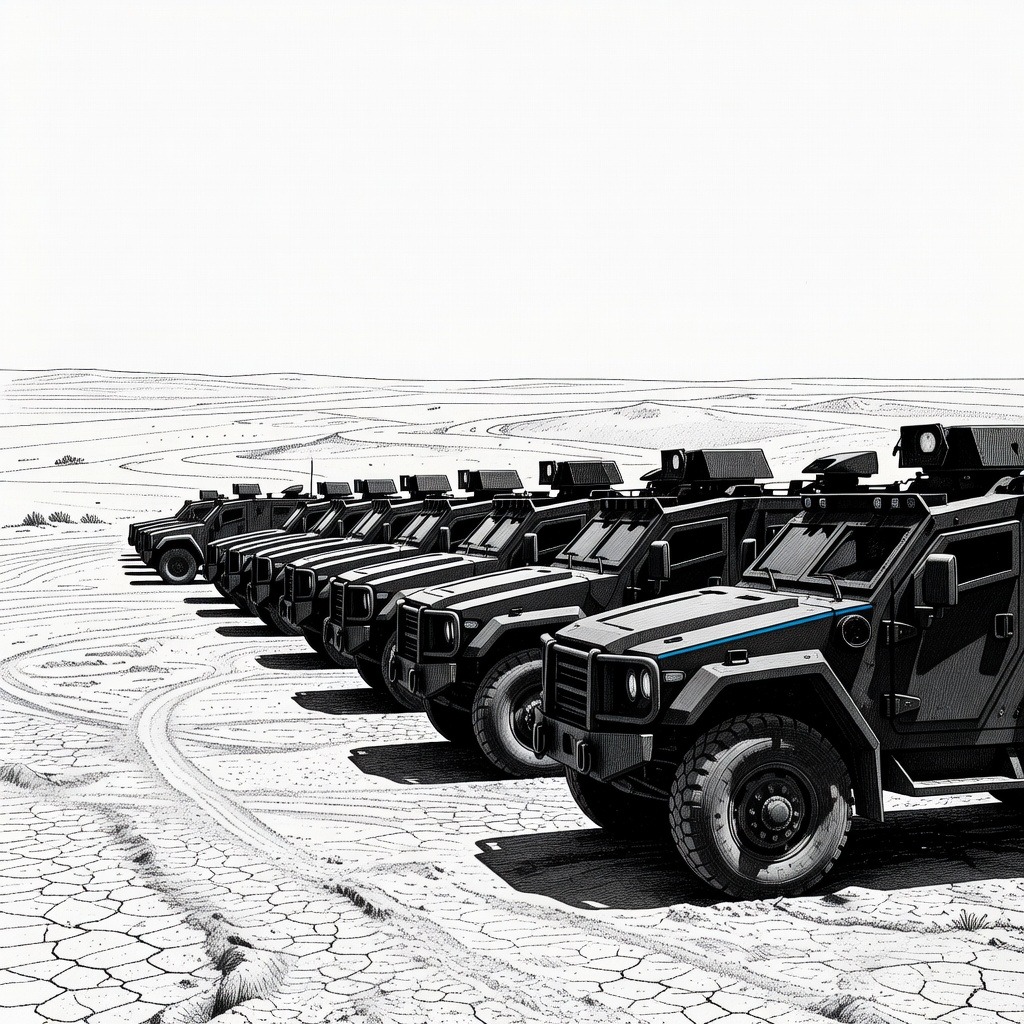
• Catastrophic Ground War Gamble Prioritizing the preservation of human life and geopolitical stability, this framework views the deployment of Special Operations Forces to secure fortified underground nuclear sites as a reckless escalation. The military's own assessment of "significant operational risks" and the need for "extensive personnel" underscores the extreme vulnerability of U.S. troops in such an environment. Engaging in a kinetic ground assault plays directly into Iranian Parliament Speaker Qalibaf’s threat of a bloody reception, risking a protracted quagmire rather than a clean surgical strike.
• Prioritize Diplomatic Alternative Paths Emphasizing that military force inevitably generates severe unintended consequences, this camp points to Secretary of State Marco Rubio’s assertion that strategic objectives can be achieved without ground operations. Even though a recent U.S. ceasefire proposal was rejected, maintaining a posture of de-escalation remains the only sustainable path forward. By leaning on alternative leverage to manage the 972 pounds of enriched uranium, the U.S. avoids triggering a massive regional conflagration that would exponentially increase the humanitarian toll.
• Ultimatums Trigger Unmanageable Tripwires This perspective warns against using rigid military deadlines to resolve complex international standoffs, such as the 10-day extension to reopen the Strait of Hormuz. Threatening to unilaterally strike Iranian energy infrastructure creates an artificial countdown that boxes both nations into an escalating cycle of retaliation. If diplomacy fails by that arbitrary date, the administration is forced to either launch strikes—virtually guaranteeing civilian casualties and global economic shocks—or back down and damage its international credibility.
How it may affect me
As a U.S. reader:
• Military personnel and their families face immediate deployment impacts and safety risks, as thousands of Marines have been sent to the Middle East and Iranian leaders have explicitly threatened retaliation against any arriving American troops.
• Consumers may experience short-term economic shocks and shipping delays due to the ongoing closure of the Strait of Hormuz to commercial tankers and the potential for U.S. military strikes on Iranian energy infrastructure.
• Long-term national security could be significantly altered depending on the outcome of this standoff, which forces the U.S. to balance the objective of neutralizing a foreign nuclear threat against the risk of being drawn into a protracted regional war.