
• Escalation Disguised As Contingency Prioritizing de-escalation, this framework views the deployment of 3,500 additional personnel as a provocative step toward a wider, unpredictable war. Although Secretary Rubio frames this maneuver as a mere contingency that avoids immediate ground combat, expanding the troop footprint actively increases the risk of mission creep. The introduction of these forces creates a dangerous paradox where supposedly defensive posturing inherently heightens the probability of an uncontainable, open conflict.
• Maximalist Demands Derail Diplomacy Evaluating the 10,000 strikes since February, this perspective sees a heavy reliance on kinetic punishment that fundamentally undermines sustainable diplomacy. Envoy Witkoff’s 15-point plan is viewed as a maximalist ultimatum rather than a negotiable framework, virtually guaranteeing Tehran’s rejection and counter-demands. By leaning on overwhelming military force rather than the necessary compromises of statecraft, the administration locks both sides into a deadly cycle of perpetual retaliation.
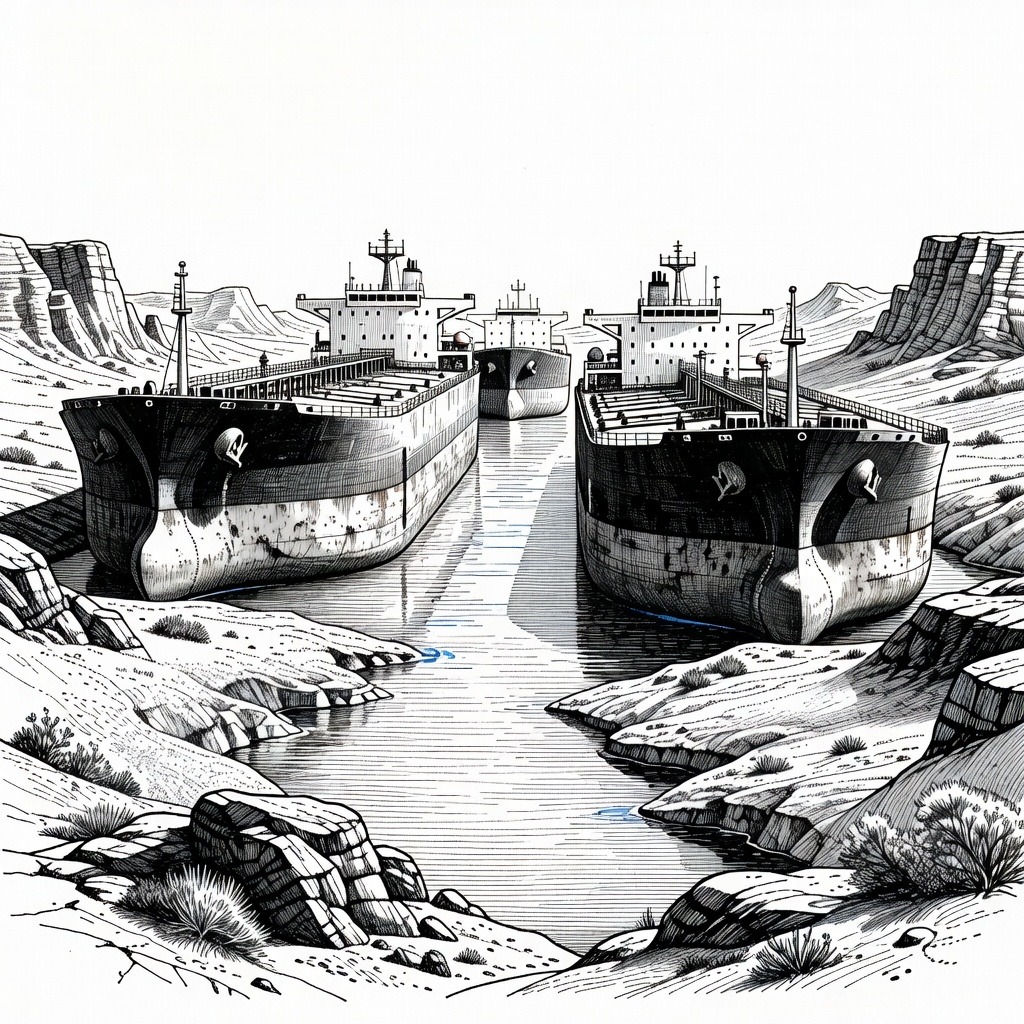
• Artificial Deadlines Invite Catastrophe The April 6 deadline is interpreted as a reckless geopolitical tripwire that prioritizes commodity flows over human life. Tying a hard military ultimatum directly to the price of Brent crude and the resumption of agricultural exports reduces complex diplomacy to a violent enforcement mechanism for global markets. This approach risks triggering a massive, uncontrollable regional war simply to alleviate short-term economic disruptions caused by the Strait of Hormuz closure.
How it may affect me
As a U.S. reader:
• Short term energy and fuel costs will likely increase due to the Strait of Hormuz closure driving global crude oil prices over $100 per barrel.
• The deployment of 3,500 additional personnel directly impacts military families and introduces a long term risk of American troops being drawn into an unpredictable, wider regional war.
• Market disruptions caused by halted regional agricultural exports and blocked shipping lanes could affect broader global supply chains and the cost of commodities.
• The April 6 military deadline to reopen the waterway serves as a critical turning point that could either stabilize international commerce or trigger a massive, uncontrollable conflict involving U.S. forces.