
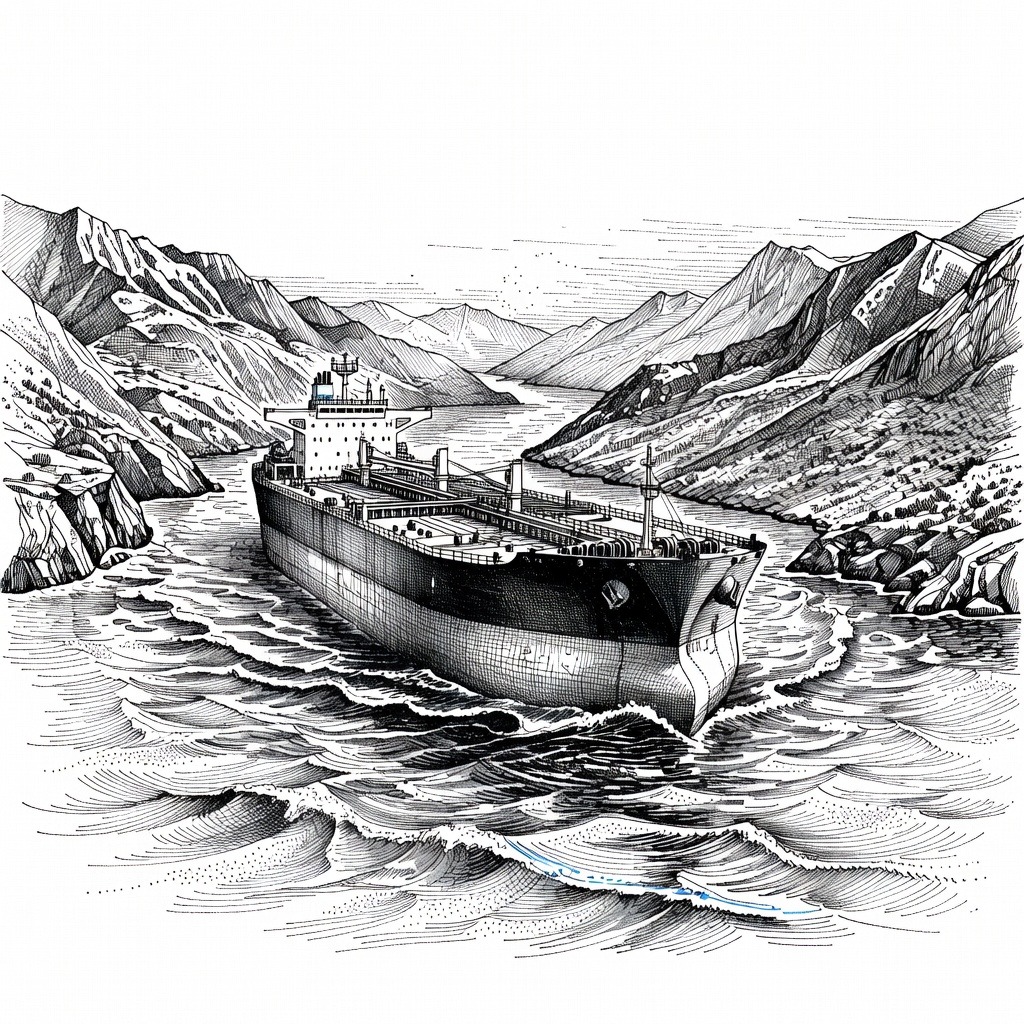
• Defusing Escalatory Military Brinkmanship Prioritizing diplomatic de-escalation, this camp views the April 6 ultimatum to bomb Iranian power plants as a dangerous escalation that risks uncontrollable regional warfare. The underlying logic holds that threatening overwhelming military force to resolve the Strait of Hormuz blockage invites catastrophic human and infrastructural costs. This perspective argues that aggressive posturing ultimately destabilizes international relations rather than establishing genuine security.
• Shielding the Vulnerable Consumer Focusing on social equity, this framework views the cascading economic fallout of the geopolitical crisis as a deeply regressive tax on everyday citizens. With Brent crude exceeding $100 per barrel and national gas averages surging 33 percent to nearly $4, the resulting hikes in grocery prices, petrochemical costs, and a potential 20 percent spike in airfares disproportionately harm the working class. The overarching fear is that belligerent foreign policy directly cannibalizes domestic consumer stability and accelerates systemic inflation.
• Condemning Institutional Governance Collapse Valuing government accountability, this perspective connects the foreign policy crisis to a fundamental failure in domestic civic duty. The simultaneous partial government shutdown—which left transportation security officers unpaid since mid-February and triggered three-hour airport delays—is seen as a profound betrayal of public servants. Deploying immigration officers to cover aviation checkpoints is interpreted not as an administrative fix, but as a reckless erosion of institutional integrity and civil liberties.
How it may affect me
As a U.S. reader:
• You will face immediate increases in daily travel expenses, with gasoline prices nearing $4 per gallon and potential airfare spikes of up to 20 percent as airlines cut less profitable routes.
• Short-term impacts will include new surcharges on delivery services, while long-term consequences will involve higher grocery and consumer goods prices as manufacturers pass down elevated shipping and petrochemical costs.
• Air travel will be significantly disrupted by the ongoing partial government shutdown, resulting in security wait times exceeding three hours and the unprecedented presence of immigration officers monitoring airport checkpoints.
• Your personal finances and investments may be negatively impacted by declining stock markets and the threat of systemic inflation, alongside the risk of broader international conflict if the April 6 military deadline escalates.