
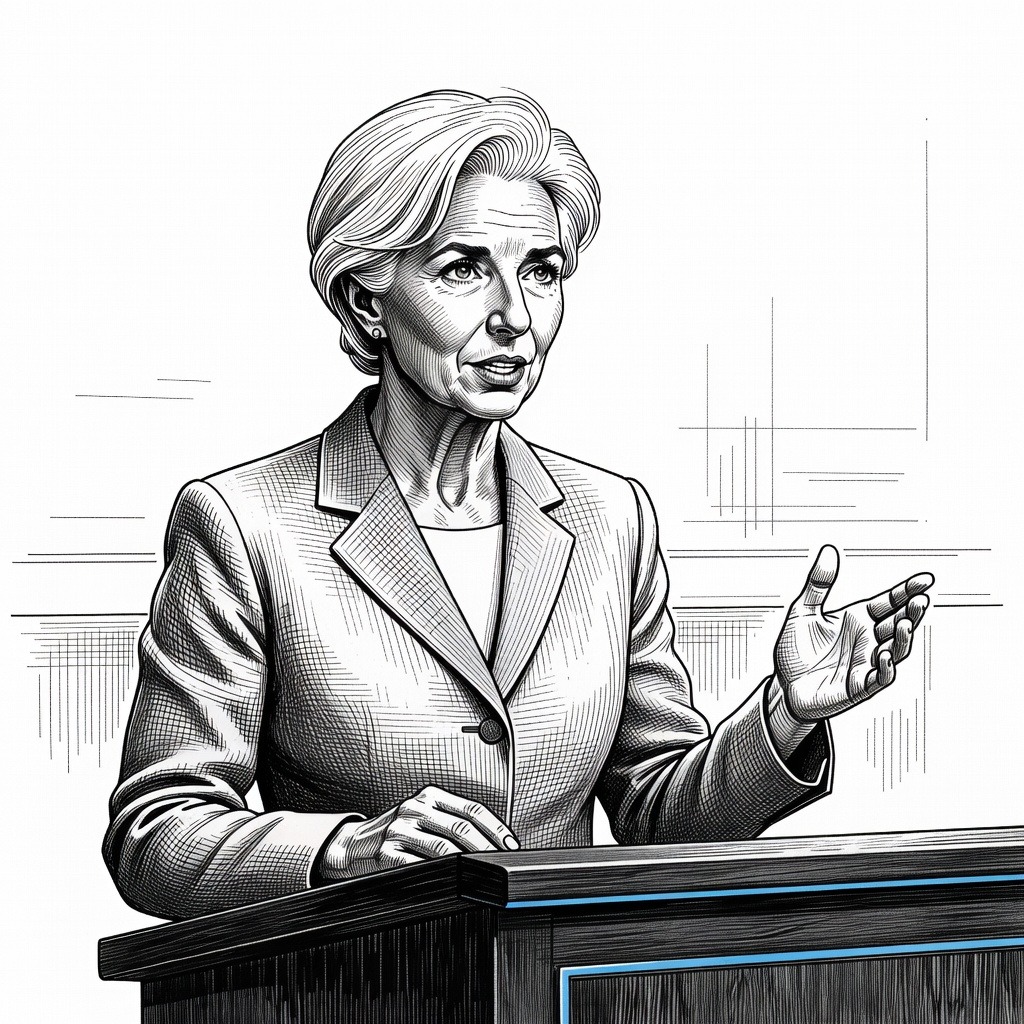
• Shielding the Real Economy The left views aggressive monetary tightening as a blunt instrument that fails to address the geopolitical supply shocks driving current prices. Because the inflation spike is triggered by the Strait of Hormuz blockade and crude prices exceeding $110 per barrel, raising interest rates heavily penalizes consumers without producing more oil. Consequently, they support Federal Reserve Vice Chair Philip Jefferson’s cautious approach to the April meeting, viewing the refusal to immediately hike rates as a necessary defense of working-class households against manufactured borrowing shocks.
• Pivoting to Growth Preservation Protecting the broader labor market is prioritized over aggressively suppressing the OECD’s 4.2 percent U.S. inflation forecast. With financial analysts already raising the probability of an impending U.S. economic downturn, further rate hikes risk actively triggering a recession that disproportionately harms vulnerable populations. For consumer advocates, navigating the stagflation threat requires sustaining economic activity, making the Federal Reserve's current steady hand a vital safeguard for long-term equity.
• Warning Against Austerity Spirals There is deep concern over the downstream public consequences of the massive sell-off in European government bonds. As 10-year yields in Germany, France, and the UK hit decade highs, governments face ballooning debt-servicing costs that traditionally precipitate severe budget cuts. If the European Central Bank follows through with its highly probable June rate hike, this camp fears it will further erode declining consumer confidence and force austerity measures exactly when citizens require robust social buffers against rising energy costs.
How it may affect me
As a U.S. reader:
• In the short term, everyday living expenses will likely increase as global crude oil prices remain above $110 per barrel and the national inflation forecast is raised to 4.2 percent.
• Household borrowing costs for consumer loans are not expected to jump immediately, as the Federal Reserve is favored to keep interest rates steady at its upcoming April meeting.
• Over the coming year, the general public faces an increased threat to job security and labor market stability due to a rising probability of a U.S. economic downturn.
• In the long term, consumers risk facing much more aggressive interest rate hikes and severe borrowing restrictions if delayed policy actions allow inflation to become deeply entrenched.