
• Condemning Extractive Political Leverage The 40-day partial government shutdown represents a fundamental failure of governmental duty and an abuse of institutional power. By rejecting the Senate-passed agreement, Speaker Johnson and House Republicans are viewed as holding the basic functioning of the state hostage for partisan border demands. Minority Leader Hakeem Jeffries’ condemnation reflects the overarching priority of protecting stable governance, emphasizing that essential public services should never be used as an extractive negotiating tool.
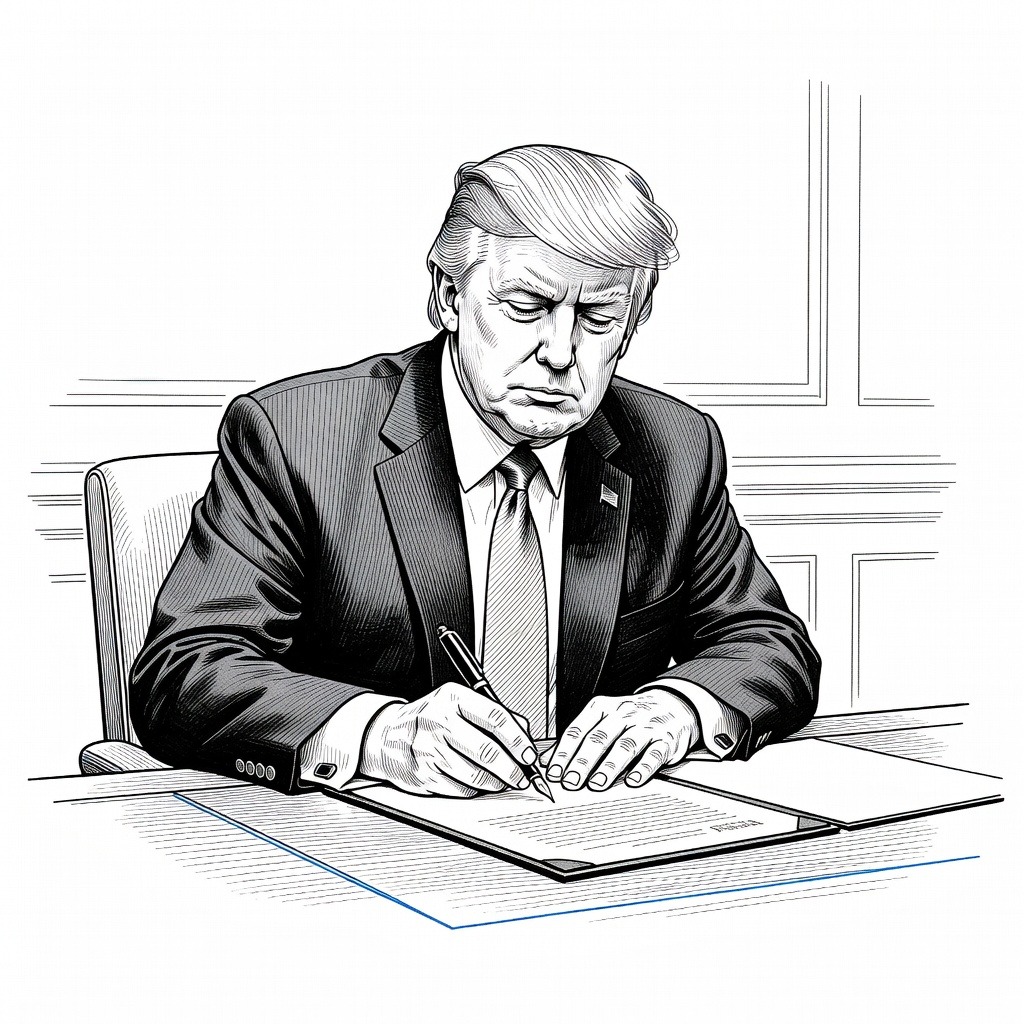
• Rejecting Executive Band-Aid Tactics President Trump’s emergency executive order to pay 50,000 TSA agents is analyzed as a cynical workaround that subverts proper congressional oversight. Rather than resolving the systemic funding crisis, the administration is shifting existing funds merely to alleviate highly visible political pressure at massive airport security lines. This executive maneuvering undermines the constitutional power of the purse, allowing the executive branch to govern by manufactured crisis rather than democratic consensus.
• Shielding Vulnerable Civil Servants The piecemeal funding strategy creates an unacceptable hierarchy of worth among federal workers, directly violating principles of public equity. While airport congestion prompted immediate action, crucial personnel at FEMA, CISA, and the Coast Guard are left unfunded and financially distressed. The resignation of over 500 TSA employees signals a severe, long-term degradation of institutional capacity, warning that treating civil servants as collateral damage ultimately hollows out state readiness.
How it may affect me
As a U.S. reader:
• Short-term travel disruptions and massive airport security lines may begin to stabilize as TSA personnel are scheduled to start receiving delayed pay by Monday under a recent executive order.
• Public access to emergency management, cybersecurity oversight, and maritime security may be hindered in the short term while employees at FEMA, CISA, and the Coast Guard remain unpaid during the prolonged shutdown.
• Long-term domestic security and institutional capacity could be degraded due to the ongoing congressional gridlock over border enforcement funding and the permanent resignation of hundreds of civil servants.