
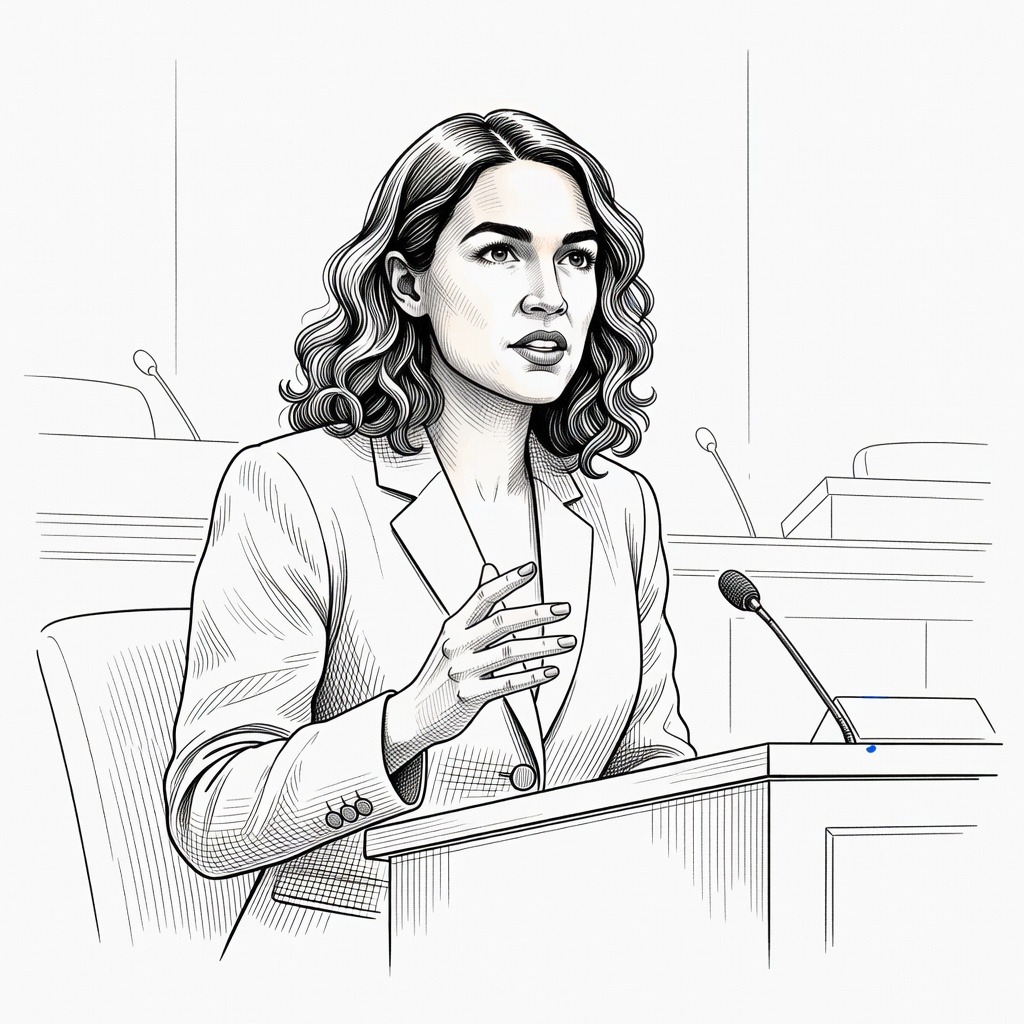
• Halt Extractive Corporate Expansion The Artificial Intelligence Data Center Moratorium Act introduced by Senator Sanders and Representative Ocasio-Cortez acts as a deliberate circuit breaker against unchecked corporate consumption. By proposing to halt facility construction and upgrades until new regulations are established, this framework prioritizes safeguarding finite public resources over blind technological advancement. The underlying logic dictates that tech conglomerates must not be allowed to deplete regional energy grids at the direct expense of local communities.
• Internalize Mandatory Infrastructure Costs The White House proposal requiring tech companies to fund their own power stems from a core belief in social equity and wealth protection. This perspective insists that highly profitable corporations must internalize their operational costs rather than socializing the burden onto the public. Forcing the industry to build independent energy infrastructure is viewed as a necessary defense against institutional wealth extraction, ensuring that everyday consumer electricity rates do not spike to subsidize corporate AI demands.
• Shield Democratic Accountability Systems Representative Ocasio-Cortez’s demand to reject AI campaign contributions highlights a profound skepticism toward corporate entities purchasing political influence ahead of midterm elections. Coupled with the successful stalling of a House bill that would have exempted data centers from standard environmental reviews—a point noted by Representative Massie—this camp treats the tech sector's expansion as a systemic threat. They argue that democratic processes and environmental standards must strictly subordinate corporate power to ensure long-term public accountability.
How it may affect me
As a U.S. reader:
• Short-term consumer electricity rates could spike and regional power grids may be strained if technology companies are not ultimately mandated to fund or supply their own independent energy infrastructure.
• Long-term national economic prosperity and technological competitiveness could be affected if a construction moratorium stalls domestic artificial intelligence infrastructure and concedes global market advantages to foreign nations like China.
• Local communities may face varied environmental and zoning impacts depending on whether data center oversight is managed by decentralized municipal governments or through sweeping federal regulations.
• The public's ability to legally challenge local data center expansion may change depending on whether lawmakers successfully pass legislation that limits environmental review litigation or exempts facilities from standard regulations.