
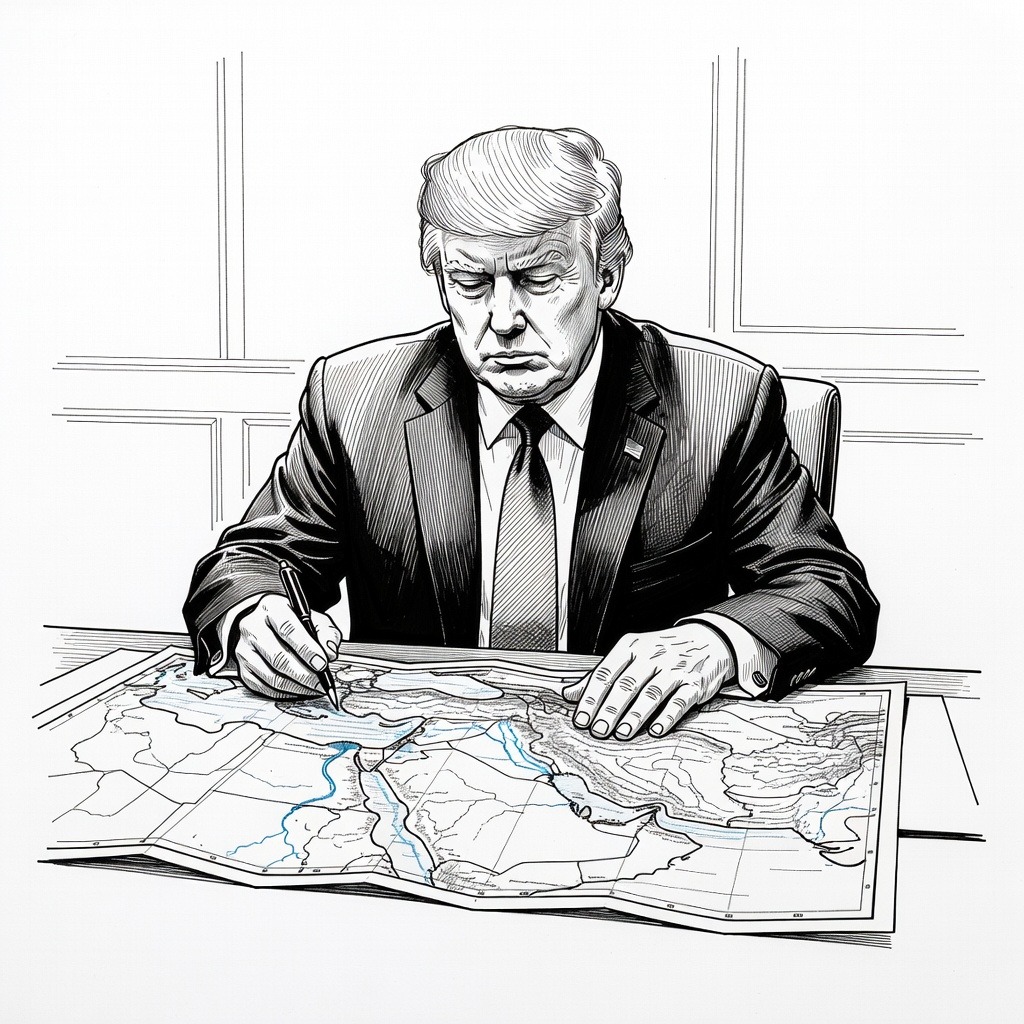
• Blowback of Military Brinkmanship Prioritizing de-escalation and international stability, this camp views the Strait of Hormuz closure and the resultant $100-plus barrel oil prices as the predictable fallout of an over-militarized foreign policy. The disruption of critical waterways and the extortion of $2 million transit fees demonstrate how aggressive posturing by the U.S. and Israel inevitably triggers asymmetric retaliation from Iran. For this camp, soaring energy costs reflect the inherent failure of prioritizing military dominance over regional diplomatic integration and conflict resolution.
• Ultimatum Sabotages Diplomatic Offramps Valuing good-faith negotiation over coercion, this perspective interprets the White House's demand for complete military capitulation as a fatal diplomatic misstep. While the temporary delay of strikes offers a vital window for peace, coupling these talks with threats to obliterate Iranian energy infrastructure fundamentally undermines the negotiation process. This camp argues that demanding unconditional surrender rather than offering mutual concessions guarantees a defensive, hardline response from Tehran, rendering genuine diplomacy nearly impossible.
• Gamble of Regional Conflagration Rooted in the protection of human life and geopolitical stability, this side fears the impending spillover effect into the Red Sea's Bab el-Mandeb Strait. By utilizing military force as a primary tool, the current strategy risks activating proxy networks like the Houthi rebels, who have already signaled a readiness to escalate if requested by Tehran. The humanitarian and economic toll of sparking a multi-front war across the Middle East's most vital maritime chokepoints far outweighs any perceived strategic victory achieved through continued strikes.
How it may affect me
As a U.S. reader:
• You will likely face immediate increases in short-term energy costs, as the disruption of global energy markets has already pushed benchmark crude oil prices above $100 a barrel.
• You may experience higher prices for commercial goods and supply chain delays, resulting from major shipping companies avoiding the Red Sea and vessels being charged transit fees of up to $2 million by Iran.
• You could encounter long-term economic instability and further price spikes if diplomatic negotiations fail and the conflict expands to the Bab el-Mandeb Strait, which would put global trade and energy markets in a state of continued vulnerability.