
• Leverage for Institutional Reform Democratic accountability requires using the power of the purse to curb state violence and demand operational transparency. Following the fatal confrontations involving federal agents in Minnesota, stripping funding for ICE and Customs and Border Protection from the Senate bill serves as a necessary mechanism to force structural change. Funding cannot be a blank check for an agency acting with impunity, reinforcing Senator Schumer’s assessment of current enforcement operations as a "lawless and deadly" militia.
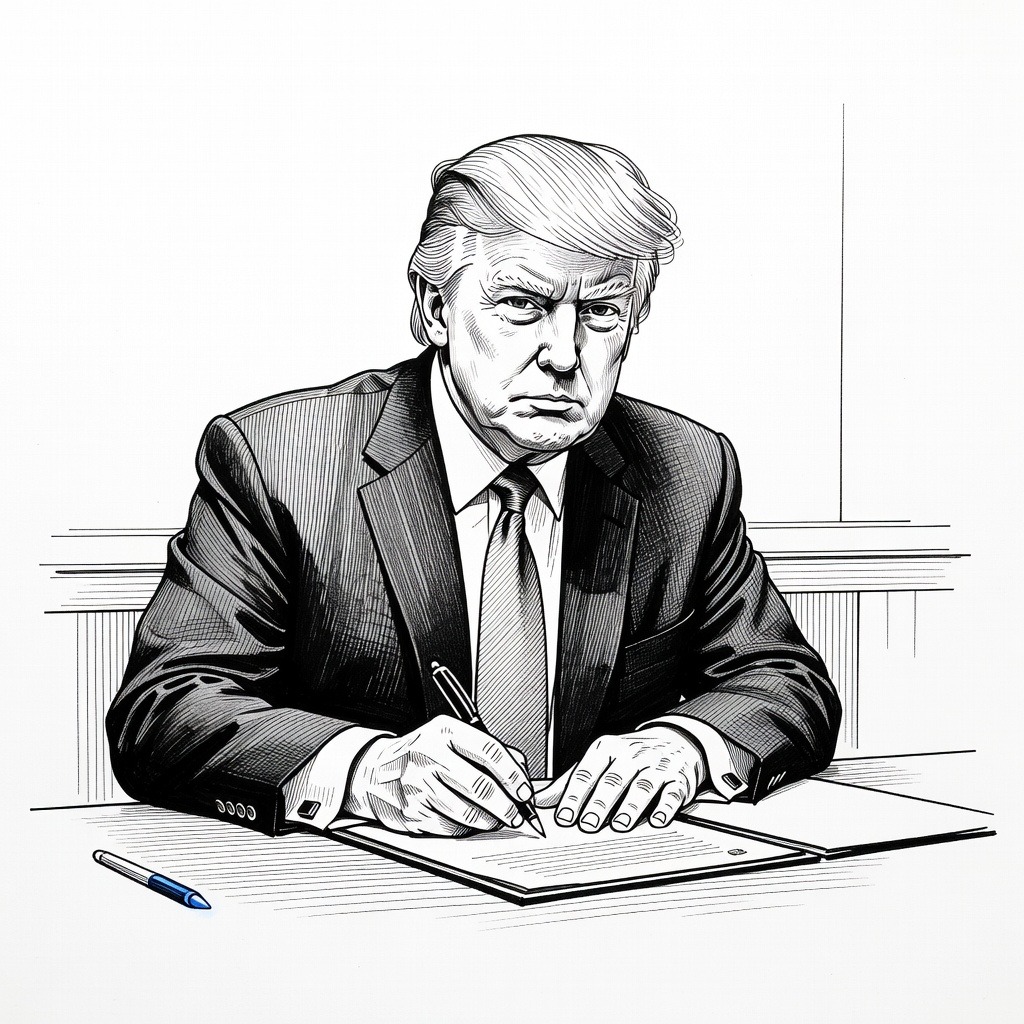
• Rejecting Executive Overreach The administration's unilateral maneuvers to bypass legislative gridlock undermine congressional oversight and blur legal mandates. Deploying ICE agents to manage TSA airport lines intentionally conflates domestic transit security with immigration enforcement, normalizing the presence of a controversial agency in civilian spheres. President Trump’s planned emergency executive order to pay TSA agents is viewed as a systemic workaround that masks the consequences of the shutdown rather than addressing the core civil liberty disputes driving it.
• Shielding the Civil Workforce Essential public servants should not be utilized as political collateral to protect unaccountable enforcement agencies. The Senate-passed measure offers a pragmatic off-ramp to end the 42-day lapse for the vast majority of DHS, immediately resolving the crisis of 500 TSA resignations and missed paychecks. Speaker Johnson’s rival 60-day measure is inherently coercive, holding the livelihoods of civilian transportation workers hostage to guarantee continued funding for an un-reformed immigration apparatus.
How it may affect me
As a U.S. reader:
• You will likely face severe short-term delays and extended security lines at airports due to ongoing funding lapses and the resulting resignation of approximately 500 TSA officers.
• While traveling, you may encounter ICE agents performing duties at civilian airports, as the administration has deployed them to assist with TSA staffing shortages.
• Broad border security and immigration enforcement operations may be temporarily limited or altered while funding for ICE and parts of Customs and Border Protection remains blocked in Congress.
• You can expect these federal and travel disruptions to persist in the near term, as the Senate has adjourned for a two-week recess without reaching a funding compromise with the House.