
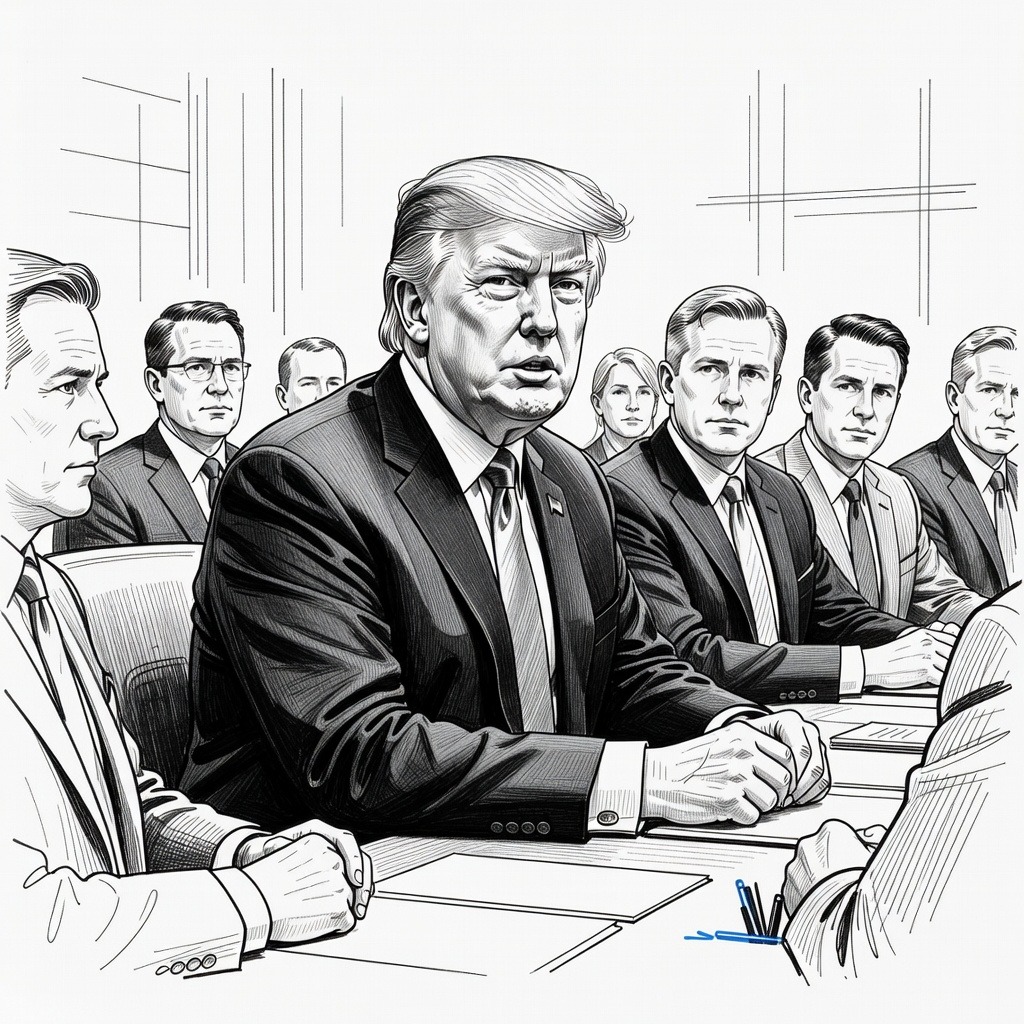
• Absorbing Disproportionate Civilian Pain Social equity demands that working-class populations are insulated from geopolitical crises they did not cause. The 40% surge in global benchmark oil prices following the February 2026 Strait of Hormuz blockade instantly degrades living standards for everyday citizens through heightened inflation. President Trump's assertion that market movements are not "as severe" as expected highlights a fundamental disconnect, as macroeconomic stability often masks the acute, localized pain of rising daily costs for consumers.
• Weaponizing Arbitrary Fiscal Rules Government exists to shield its most vulnerable citizens during unprecedented external shocks and resource disruptions. British Finance Minister Rachel Reeves' decision to deny blanket support for household energy bills represents an abandonment of this core duty. By prioritizing strict national debt limits over direct civilian relief while the OECD projects a 4% UK inflation spike, the state forces households to independently absorb the devastating financial fallout of a fractured global supply chain.
• Offloading Corporate Financial Burdens Corporate entities instinctively preserve profit margins by transferring crisis costs downward onto consumers and workers. The aviation sector's response to a 106% spike in jet fuel illustrates this extraction mechanism, with airlines immediately raising ticket fares and degrading public access to travel. United Airlines' cancellation of unprofitable routes and British Airways' push to make pilots directly responsible for fuel consumption demonstrate how institutional risk is consistently offloaded onto the public rather than absorbed by corporate reserves.
How it may affect me
As a U.S. reader:
• You will likely experience higher daily living expenses and general inflation in the short term due to the 40 percent surge in global benchmark oil prices.
• Your access to commercial air travel will decrease over the next two quarters as U.S. carriers like United Airlines eliminate unprofitable flight routes to adapt to resource shortages.
• You can expect to pay significantly more for any upcoming flights, as airlines are actively raising ticket prices to offset a 106 percent spike in jet fuel costs.
• You may face broader, long-term economic slowdowns as organizations lower global growth projections, even though the release of U.S. Strategic Petroleum Reserve oil has provided temporary market stability.