
Department of Homeland Security Shutdown Causes Unpaid TSA Staffing Shortages and Airport Delays

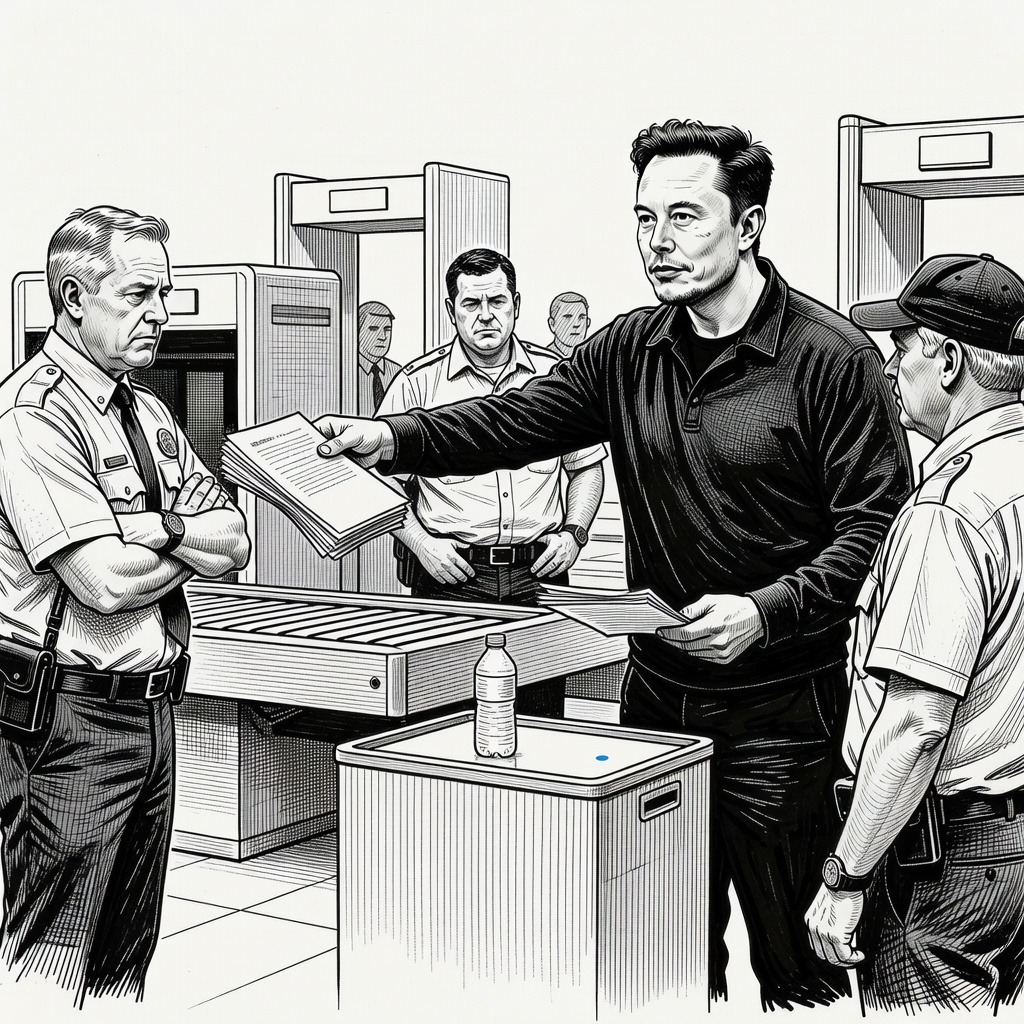
Illustration for: Department of Homeland Security Shutdown Causes Unpaid TSA Staffing Shortages and Airport Delays
AI-generated illustration. Visual interpretation does not represent real individuals or scenes.

THE BARE STORY

An ongoing partial shutdown of the Department of Homeland Security has left transportation security officers without pay, triggering severe staffing shortages and extensive passenger wait times at United States airports. Over 480 officers have resigned, and call-outs have dramatically increased among the remaining workforce. In response to the crisis, immigration enforcement agents have been deployed to assist at airport security checkpoints.

The legislative standoff centers on immigration enforcement operations. Senate Democrats are demanding reforms, including mandates for agents to obtain judicial warrants and a ban on the use of face coverings. Republicans recently rejected a Democratic counteroffer containing these measures. Senate Majority Leader John Thune and White House officials have accused Democrats of refusing to fund the agency, while Senate Minority Leader Chuck Schumer claimed Republicans lacked good faith in negotiations. Democratic Senator John Fetterman has publicly urged his own party to end the shutdown, arguing that the political strategy is flawed and highlighting the severe financial strain on federal workers.

Agency leadership has warned of major operational impacts due to the ongoing funding lapse. Acting Transportation Security Administration Administrator Ha Nguyen McNeill testified that the agency is being forced to consolidate security lanes and may have to close smaller regional airports. Additionally, Deputy Administrator Adam Stahl noted that the agency has suspended security escort services for members of Congress to redirect limited resources to screen the general public.

In an effort to alleviate the financial burden on workers, billionaire Elon Musk offered to cover the salaries of unpaid security personnel, a proposal supported by President Donald Trump. However, White House spokespeople announced that the administration rejected the offer, citing legal restrictions regarding outside individuals directly paying government employees and complications tied to Musk's federal contracts.

Same Facts. Different Perspectives.

Two AI models. Two viewpoints. One factual foundation.

• Shielding Core Civil Liberties Demanding judicial warrants and a ban on face coverings for immigration agents roots itself in the necessity of government accountability and human rights. This faction views the Department of Homeland Security as requiring strict oversight to prevent civil liberties abuses during enforcement operations. Using the agency's funding as leverage is calculated as a necessary structural disruption to force institutional transparency and protect vulnerable populations from unchecked state power.

• Fracturing the Labor Coalition The resignation of over 480 transportation security officers and rising call-outs expose a severe internal conflict regarding collateral damage. Senator John Fetterman’s public break from the party strategy highlights the tension between achieving systemic agency reform and protecting the immediate economic survival of federal workers. Depriving civil servants of pay directly contradicts the progressive imperative to defend labor rights, rendering the legislative standoff an agonizing gamble for this camp.

• Blocking Corporate State Capture The administration’s rejection of Elon Musk’s offer to cover unpaid security personnel salaries serves to defend democratic control over public institutions. Allowing a billionaire with active federal contracts to directly fund government employees introduces severe conflicts of interest and threatens the privatization of the national security apparatus. Maintaining strict legal boundaries around compensation ensures that core state functions remain accountable to the public rather than beholden to private wealth.

How it may affect me

As a U.S. reader:

• In the short term, you will likely encounter extensive wait times and fewer open security lanes when flying out of United States airports due to severe shortages of unpaid transportation security officers.

• If the funding lapse continues, your access to certain travel routes could be restricted by the potential closure of smaller regional airports as the agency consolidates its limited resources.

• You may see immigration enforcement agents stationed at airport security checkpoints, a reassignment that temporarily redirects these officers away from their standard internal enforcement and border security duties.

• You should expect these airport disruptions to persist in the near future, as the government's rejection of private financial intervention ensures the economic strain on the remaining security workforce will continue until a legislative resolution is reached.

Read the story at

Note: All TheBareNews content is AI-generated. For additional context, reporting, and updates, you are invited to explore the news outlets linked above.