
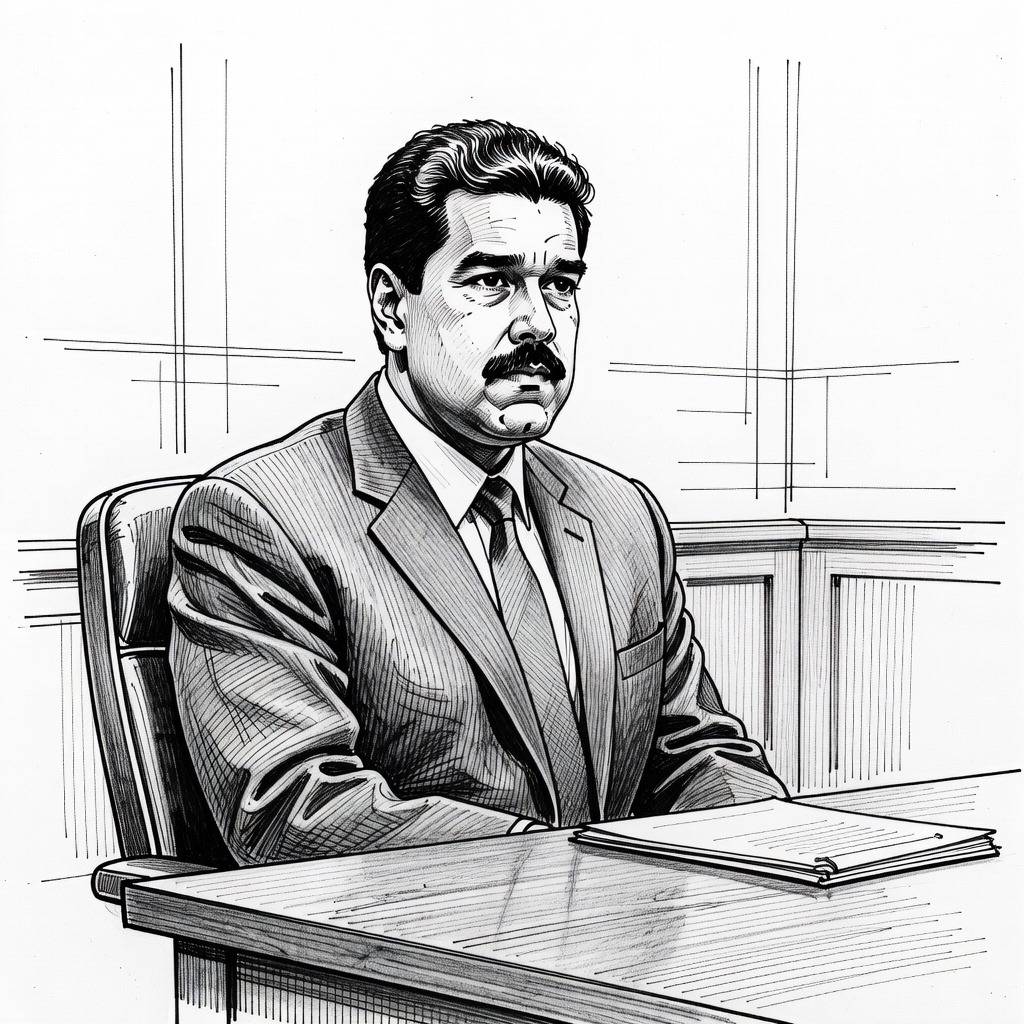
• Safeguard Constitutional Due Process Prioritizing civil liberties, this framework views the Treasury Department's refusal to grant licenses for Maduro's legal fees as a dangerous manipulation of the justice system. By artificially starving the defense team of funds and prompting threats of their withdrawal, the executive branch undermines the fundamental constitutional right to adequate representation. If the government can financially cripple an accused individual before a trial begins, it sets a chilling precedent for institutional overreach against any high-profile target.
• Check Unfettered Executive Power Placing a pre-trial detainee under extreme special administrative measures—including continuous surveillance and restricted outside contact—violates core principles of humane treatment and the presumption of innocence. Authorizing these harsh conditions directly through the U.S. attorney general bypasses standard judicial oversight, effectively transforming pretrial detention into preemptive punishment. This signals a concerning erosion of civil liberties and procedural fairness in politically charged prosecutions.
• Prevent International Legal Collapse Because Maduro was captured during a unilateral American military operation and claims "prisoner of war" status, there is a deep concern that this trial bends international law to serve domestic political objectives. Ignoring potential head of state immunity to prosecute a foreign leader in a Manhattan federal court risks destabilizing global diplomatic norms. Proceeding with this unprecedented litigation threatens to provoke reciprocal, extrajudicial targeting of American officials abroad by hostile nations claiming similar jurisdictional authority.
How it may affect me
As a U.S. reader:
• The court's decision on whether to allow the government to block legal defense funds and impose severe pretrial surveillance could establish long-term domestic precedents regarding civil liberties and executive power in federal prosecutions.
• The trial is intended to disrupt transnational narco-terrorism syndicates, potentially reducing state-sponsored criminal threats directed at the United States.
• The unprecedented prosecution of a foreign leader captured in a U.S. military operation carries long-term diplomatic risks, potentially provoking hostile nations to attempt reciprocal targeting of American officials working overseas.
• Complex legal maneuvers, including the defendant's claims of head of state immunity and prisoner of war status, are expected to prolong pretrial litigation for years, extending the burden on federal judicial and law enforcement resources.