
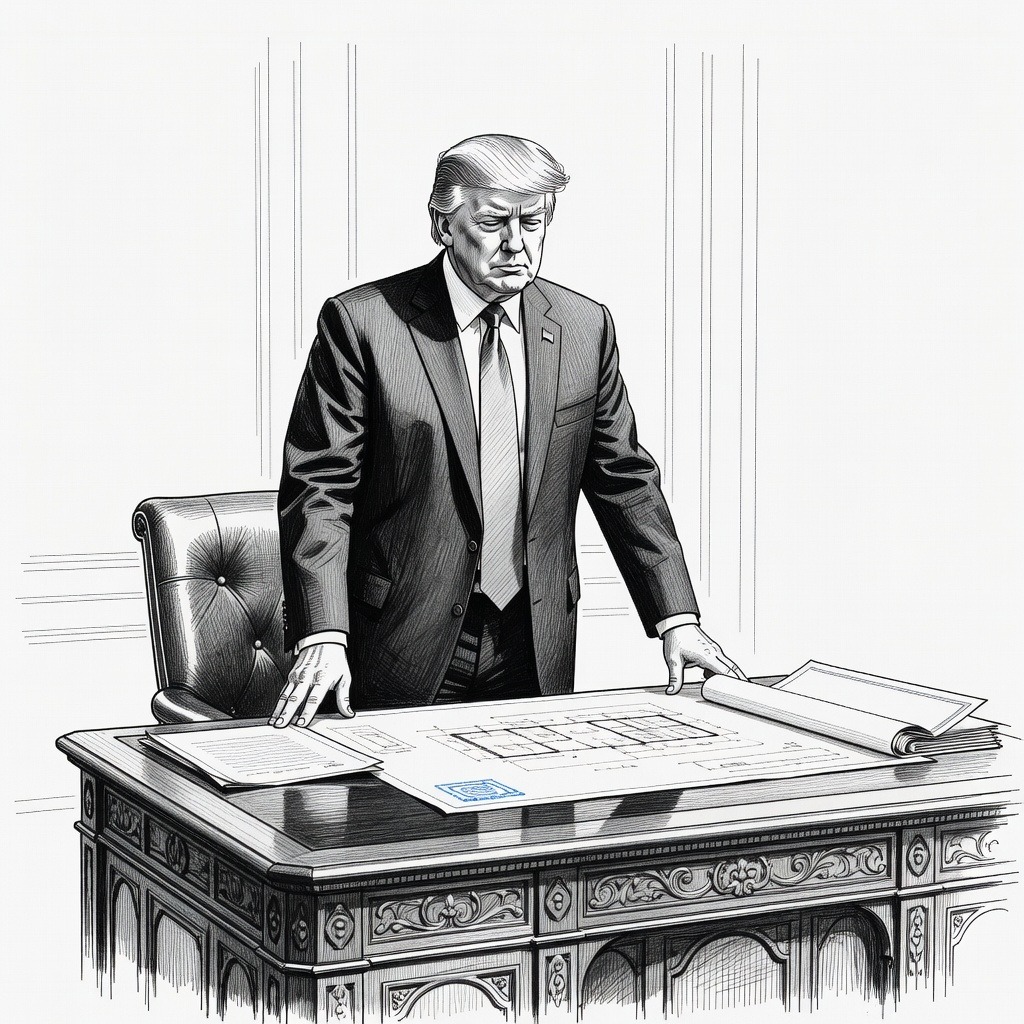
• Peril of Arbitrary Timelines The administration's 4-to-6-week projection for the Iran conflict reflects dangerous strategic hubris. Framing a complex military engagement as a strictly scheduled interruption before the May 14 Beijing summit ignores the volatile, unpredictable nature of Middle Eastern warfare. This rigid timeline risks locking the U.S. into a prolonged quagmire when operational realities inevitably clash with optimistic diplomatic calendars, ultimately deprioritizing genuine conflict de-escalation in favor of political optics.
• Cascading Global Instability The complete halt of traffic through the Strait of Hormuz illustrates the severe, immediate collateral damage of kinetic military action. Triggering a sudden spike in global energy costs disproportionately harms vulnerable civilian populations who are least equipped to absorb macroeconomic shocks. This rapid economic fallout validates the underlying belief that relying on military force invariably creates destabilizing secondary crises that spread far beyond the immediate theater of war.
• Facade of Diplomatic Normalcy Proceeding with ceremonial state visits—such as hosting Dutch and British royals for rare White House sleepovers—while prosecuting an active war projects a concerning detachment from human suffering. Prioritizing royal pageantry and bilateral economic photo-ops over full-time crisis management minimizes the gravity of the ongoing violence in Iran. This jarring juxtaposition highlights a troubling willingness by leadership to normalize warfare as just another line item alongside routine diplomatic socializing.
How it may affect me
As a U.S. reader:
• In the short term, you can expect an increase in everyday energy costs and potential economic ripple effects due to the complete halt of shipping traffic through the Strait of Hormuz.
• You may be affected by the commitment of national resources and military personnel to the active conflict in Iran and the U.S.-led 22-nation maritime coalition currently securing global navigation.
• In the long term, you face the risk of the country entering a prolonged military engagement if the administration's estimated four to six week timeline for the conflict proves inaccurate.
• Your broader economic environment may eventually be influenced by the outcomes of the upcoming diplomatic summits with European royals and the Chinese president, which are designed to solidify international economic relations and trade.