
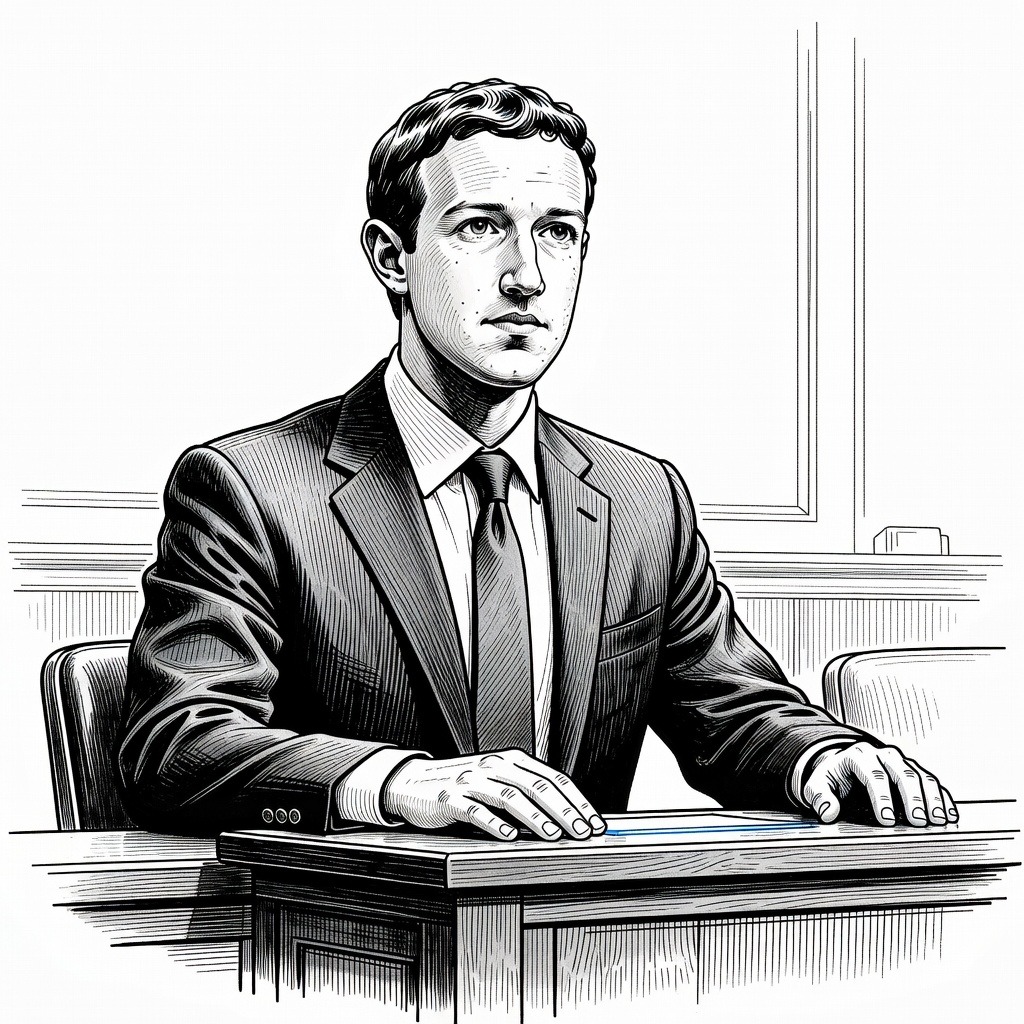
• Weaponized Algorithmic Engagement Corporations prioritize continuous user engagement over consumer safety, turning behavioral extraction into a highly lucrative business model. The jury’s focus on features like auto-scrolling and recommendation algorithms validates the argument that these are not neutral platforms, but engineered environments designed to create dependency. By holding Meta and YouTube liable for 70 percent and 30 percent respectively, this verdict legally recognizes digital addiction as a deliberate corporate design failure rather than a personal weakness.
• Piercing Corporate Impunity Financial penalties are the most effective mechanism to force behavioral changes within monopolistic tech sectors that traditionally rely on self-regulation. The $3 million compensatory damages, combined with the staggering $375 million New Mexico verdict against Meta, signal a necessary shift toward strict institutional accountability. Bringing powerful executives like Mark Zuckerberg and Adam Mosseri into the trial reinforces the principle that leadership must bear direct responsibility for the societal harm their products induce.
• Shielding Vulnerable Demographics The paramount societal obligation is protecting children from systemic harm that they lack the cognitive development to navigate. The defense's attempt to dismiss the 20-year-old plaintiff’s depression and body dysmorphia as mere "pre-existing difficulties" is viewed as a calculated deflection by multibillion-dollar entities profiting from her attention since childhood. Establishing this Los Angeles lawsuit as a test case creates a vital legal baseline to safeguard minors from exploitative digital architectures moving forward.
How it may affect me
As a U.S. reader:
• In the short term, social media users may experience changes to familiar platform features, such as the modification or removal of auto-scrolling and algorithmic recommendations, as tech companies attempt to reduce their legal risk.
• Platforms could begin displaying explicit safety warnings to consumers regarding the potential mental health dangers and addictive nature of using their digital services.
• In the long term, individuals and families may find a legal baseline to pursue litigation against tech companies for psychological distress, potentially leading to an increase in mass lawsuits over social media harm.
• Consumers might see a broader slowdown in software innovation and the rollout of new app features, as developers face an unpredictable regulatory environment where standard user-experience optimizations could be penalized.