
• Exposing Shadow Influence Networks Driven by a demand for total government transparency, this perspective views the $50 million secret contract as a glaring indictment of the political establishment. The ability of a foreign adversary like Nicolás Maduro to allegedly purchase quiet lobbying access demonstrates how easily elite insiders can commodify democratic institutions. This camp sees the failure to register as foreign agents not as a mere procedural oversight, but as a deliberate subversion of the public's right to know who is pulling the levers of American power.
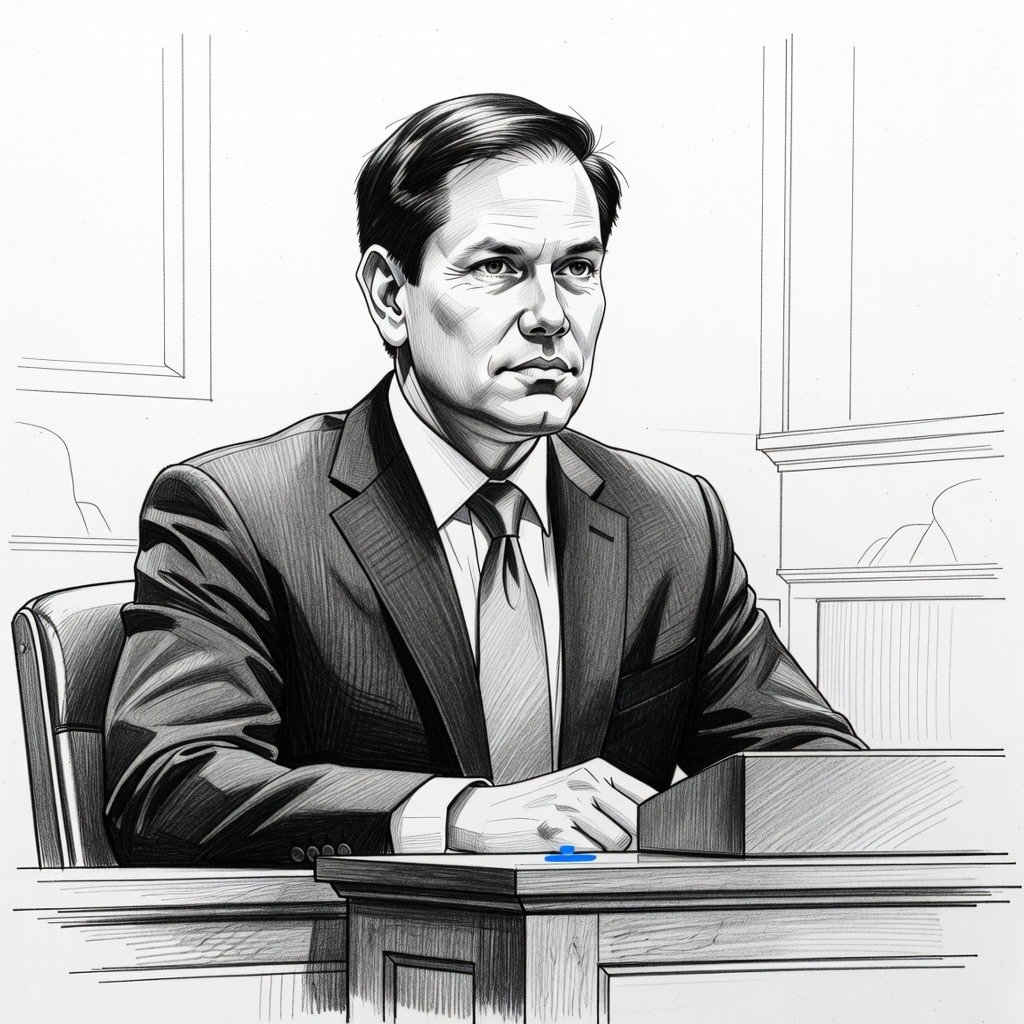
• Vulnerability of Institutional Gatekeepers Prioritizing systemic accountability, this view focuses heavily on how easily high-ranking officials can be utilized by connected operatives. The revelation that Marco Rubio delivered a Senate speech utilizing talking points provided by Rivera highlights a structural flaw where insider relationships bypass rigorous vetting. Even with Rubio cleared of legal wrongdoing, the incident underscores a dangerous ecosystem where back-channel whispering directly shapes official U.S. policy without public scrutiny.
• Weaponization of Corporate Loopholes Wary of elite impunity, this framework interprets the defense's strategy as a classic exploitation of legal gray areas. By claiming the $50 million contract was routed through a U.S.-based subsidiary of Venezuela's state oil company for "commercial" purposes regarding Exxon, the defense relies on structural obfuscation to avoid accountability. This camp fears that allowing corporate subsidiary exemptions to shield political maneuvering will render foreign lobbying laws entirely toothless against wealthy, well-lawyered actors.
How it may affect me
As a U.S. reader:
• In the short term, the trial will provide the public with greater visibility into how official U.S. policies and legislative speeches can be shaped by back-channel operatives and unvetted insider relationships.
• In the long term, the verdict may dictate the strength and future enforcement of federal transparency laws, specifically determining whether foreign entities can legally use U.S. corporate subsidiaries as a loophole to obscure their lobbying efforts from the public.
• The active prosecution of these charges could serve as a practical deterrent, protecting national institutions by discouraging domestic consultants from secretly brokering unauthorized political deals with hostile foreign governments.
• The rigorous legal testing of these statutes will likely impact U.S. international business consultants, who may face clarified legal boundaries and compliance standards to ensure their commercial operations are not categorized as illegal foreign lobbying.