
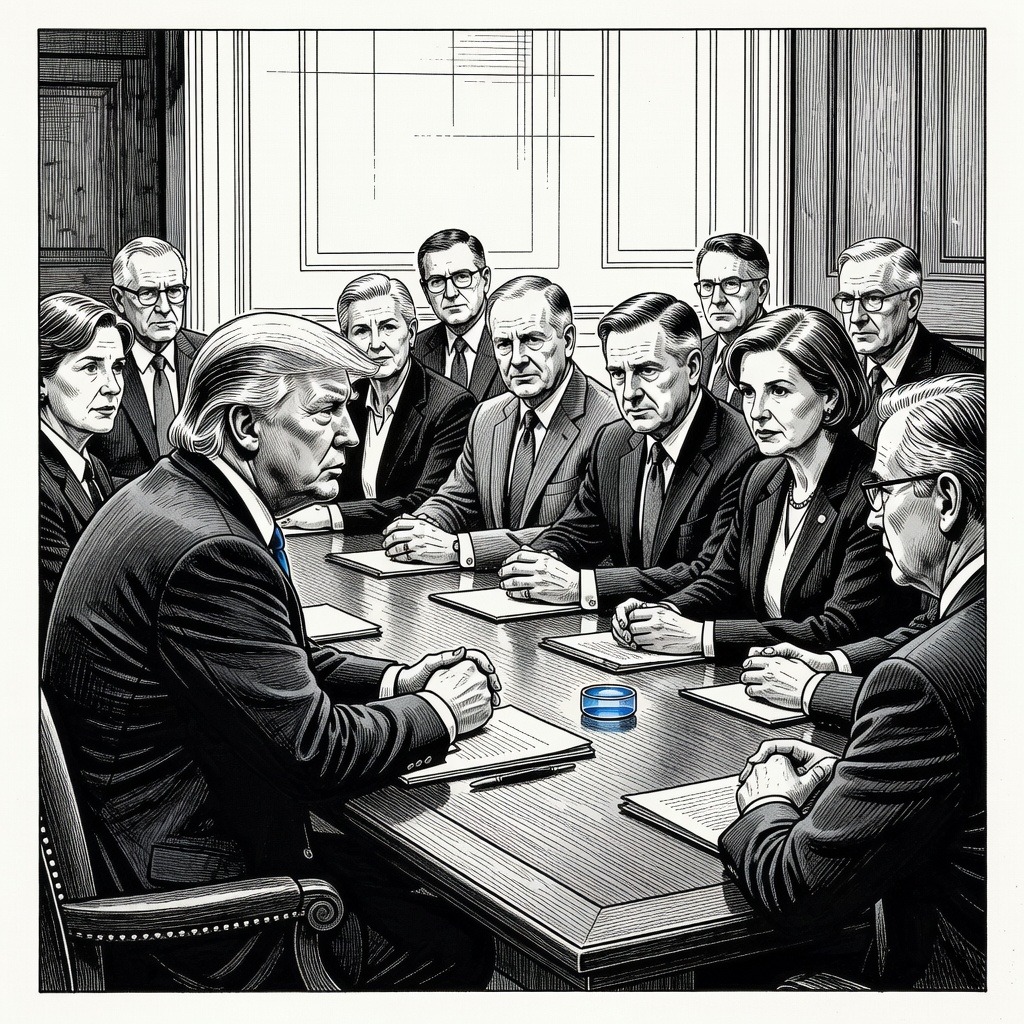
• Shielding Basic Public Services Accountability demands that fundamental government operations function without inflicting collateral damage on the workforce. The 38-day shutdown forcing TSA employees to work without pay represents a breakdown of institutional duty to civil servants and the public. Reformers view the weaponization of agency funding as an unacceptable tactic that destabilizes the livelihoods of essential workers to extract unrelated political concessions.
• Defending Unrestricted Civic Access Civil liberties require broad, unencumbered access to the democratic process. Trump’s initial demand to tie DHS funding to the SAVE America Act—mandating proof of citizenship and photo ID—is interpreted as an exclusionary mechanism designed to suppress voter participation. To this camp, stripping this mandate from the immediate funding agreement successfully prevents the erosion of voting rights under the duress of a prolonged national shutdown.
• Enforcing Strict Operational Restraints Social progress relies on establishing rigorous accountability over state power, particularly within domestic security agencies. Bipartisan momentum on officer training and body-worn cameras is seen as a necessary victory for transparency. However, the unresolved standards for warrants and use of force, coupled with the haphazard deployment of immigration agents to airports, raise profound alarms about unchecked executive authority and the potential for civil rights violations.
How it may affect me
As a U.S. reader:
• In the short term, you may experience significant travel disruptions and extended security lines at airports due to ongoing TSA staffing shortages caused by the funding lapse.
• Also in the short term, air travelers might encounter domestic immigration agents who have been temporarily deployed to assist with airport security operations.
• In the long term, you could be required to provide proof of citizenship and photo identification to vote in federal elections if lawmakers pass the proposed voting legislation later through a party-line reconciliation bill.
• Future interactions with homeland security and immigration officers may involve new operational standards, potentially including the presence of body-worn cameras and revised rules regarding warrants and use of force, depending on the outcome of bipartisan negotiations.